
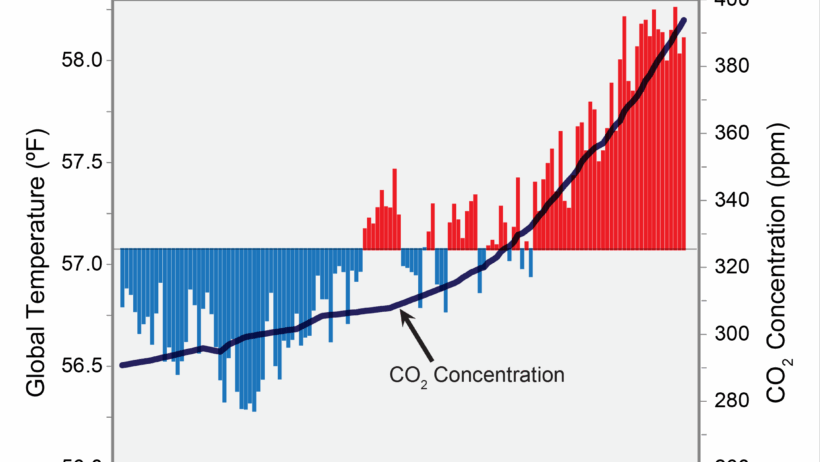

The rising global temperatures due to human-induced climate change have become an omnipresent concern, leading to urgent discussions surrounding the ideal temperature threshold for Earth. This discourse touches on various scientific, ecological, and socioeconomic aspects. Understanding the “temperature sweet spot” is paramount for formulating effective climate policies, guiding technological advancements, and promoting sustainable practices.
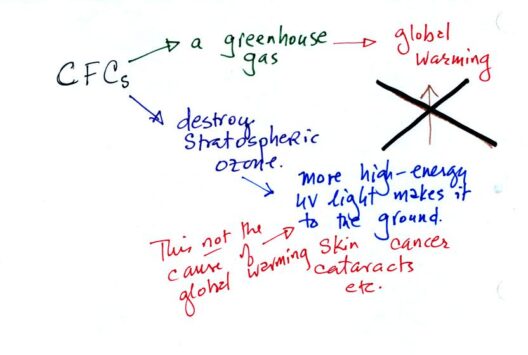
To delineate the “temperature sweet spot,” it is essential to elucidate what constitutes global warming and the factors that contribute to it. Global warming refers to the long-term increase in Earth’s average surface temperature, primarily driven by an uptick in greenhouse gas emissions. These emissions result from the combustion of fossil fuels, deforestation, and various industrial processes. The consequent greenhouse effect traps heat in the atmosphere, exacerbating climatic changes.
Current scientific consensus posits that keeping global warming below 1.5°C compared to pre-industrial levels is crucial for mitigating the dire consequences of climate change. Exceeding this threshold could unleash cataclysmic events—more intense hurricanes, prolonged droughts, and irreversible loss of biodiversity. However, determining the specific temperature to maintain long-term climate stability and avoid catastrophic changes necessitates a comprehensive understanding of Earth’s climatic systems.
Understanding the concept of the “temperature sweet spot” necessitates delving into historical climate data. Paleoclimate studies suggest that stable and hospitable conditions for human civilization have persisted within a relatively narrow temperature range over the last several millennia. For instance, the Holocene epoch, spanning approximately the last 11,700 years, has provided an environment conducive to agriculture and societal development. Examining this epoch guides policymakers in identifying what temperature range might allow for a sustainable future.
According to climate models, a temperature increase beyond 2°C is expected to trigger alarming feedback loops—wherein warming causes emissions of additional greenhouse gases, further elevating temperatures. As such, many environmental scientists are advocating for stringent measures to cap temperature rise well below this 2°C threshold.
The potential pathways to achieve this objective involve multifaceted strategies aimed at reducing anthropogenic emissions. Transitioning to renewable energy sources and enhancing energy efficiency are paramount. Moreover, capturing and sequestering existing carbon emissions can serve as a stopgap measure. Collectively, these actions should converge on maintaining global average temperatures within a range that balances ecological integrity and socio-economic needs.
While the goals might sound ambitious, technological innovation offers promising avenues. Advances in solar and wind energy technologies, alongside the broader adoption of electric vehicles, are pivotal. Furthermore, innovative agricultural practices targeting reduced emissions—such as regenerative farming—can help bolster carbon sequestration in soil, contributing positively to the climate equation.
Another significant aspect of the discourse involves examining the role of nature-based solutions in maintaining Earth’s temperature sweet spot. Protecting existing forests, restoring degraded ecosystems, and expanding green spaces in urban areas not only help sequester carbon but also enhance biodiversity and ecological resilience. These approaches can work synergistically with technological innovations, fostering a holistic response to climate change.
The implications of not addressing this temperature sweet spot extend far beyond mere temperature fluctuations. Climate change poses immense risks to human health, agriculture, and infrastructure. Increased heat events lead to heat-related illnesses, while rising sea levels threaten coastal communities. Furthermore, unpredictable weather patterns jeopardize food security by disrupting traditional farming schedules and reducing crop yields.
Economically, the stakes are equally high. The financial repercussions of climate disasters have multiplied in recent years, imposing immense costs on governments, taxpayers, and businesses alike. The construction and maintenance of resilient infrastructures demand substantial investments. Not to mention, climate impacts disproportionately affect marginalized communities, perpetuating cycles of poverty and inequity.
Global cooperation is indispensable to navigate this complex and multifaceted challenge. The efficacy of climate agreements, such as the Paris Agreement, hinges on collective action across nations. Diplomatic efforts must bridge the disparity between developed and developing countries, recognizing the disproportionate contribution of developed nations to greenhouse gas emissions and the vulnerability of developing nations to climate impacts.
The quest to maintain Earth’s temperature within a safe threshold underscores the urgency to educate, advocate, and mobilize communities around climate action and sustainability. Grassroots movements have emerged globally, fostering awareness and demanding accountability from corporate giants and governments alike. Individuals can contribute through conscious consumer choices, active participation in local environmental initiatives, and engagement in political processes to hold leaders accountable.
In conclusion, understanding the temperature sweet spot entails a complex interplay of science, sociology, and innovative solutions. It is a clarion call for immediate action to avert the existential threat posed by global warming. As we strive to keep Earth’s temperature stable, embracing a multifaceted approach that combines technological advancement, ecological preservation, and social justice will ensure a sustainable future for generations to come. The time to act is now; collective responsibility and concerted action are the linchpins in this monumental endeavor.