


When we think about combating climate change, it is often the larger, visible entities that come to mind: the towering trees of the Amazon rainforest, the vast stretches of ice in the Arctic, or even the iconic polar bears struggling to survive. However, hidden beneath the surface of the ocean lies a minuscule yet mighty ally in our fight against climate change: phytoplankton. This tiny, often overlooked group of organisms plays a pivotal role in maintaining the balance of our planet’s ecosystems and has profound implications for climate regulation and carbon sequestration.
Imagine if a mere speck of life could hold the key to mitigating the threats posed by climate change. Could it be that the smallest organisms harbor the most significant potential? Phytoplankton, as microscopic plants thriving in the ocean’s surface layers, are adapted to quickly respond to changing conditions and generate substantial biomass. As primary producers, they occupy the base of the marine food web, providing essential nutrients for a vast array of marine creatures. Yet, their influence extends far beyond mere sustenance.
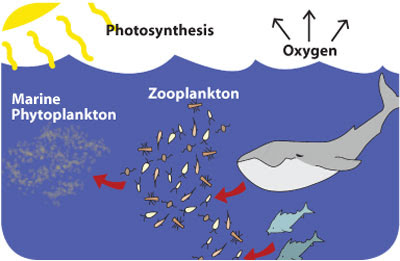
Phytoplankton are responsible for producing approximately 50% of the world’s oxygen through photosynthesis, a process in which they convert sunlight and carbon dioxide into energy. This remarkable production of oxygen underscores their importance in maintaining atmospheric balance. As carbon dioxide levels rise due to human activities, these microscopic plants diligently absorb vast amounts of this greenhouse gas, transforming it into organic matter. This transformation is not merely an ecological marvel; it also represents a crucial mechanism through which our planet can attempt to regulate its climate.
What if, by understanding and protecting these organisms, we could enhance their carbon-sequestering abilities? The answer lies in the overarching relationship between phytoplankton production and climate factors, predominantly ocean temperature and stratification. Warmer waters tend to inhibit nutrient mixing, which can diminish phytoplankton growth. Consequently, this presents a double-edged sword: while higher temperatures may initially promote the growth of some phytoplankton species, they can also lead to harmful algal blooms and the decline of biomass overall.
Moreover, the stratification of oceans—caused by variations in temperature and salinity—hinders the nutrient supply necessary for the flourishing of these organisms. When warmer surface waters prevent mixing with deeper, nutrient-rich waters, phytoplankton populations may suffer. This highlights a significant challenge in the climate change narrative: as global temperatures continue to rise, can we preserve the necessary conditions for phytoplankton to thrive?
The implications of phonological shifts among phytoplankton species are profound. Studies have shown that different species possess varying capacities for carbon fixation. For instance, larger phytoplankton tend to sequester carbon more efficiently, but they are often outcompeted by smaller species under certain conditions. This dynamic can result in vast shifts in marine ecosystems and subsequently alter carbon cycling on a global scale.
To further illuminate the interconnectedness of phytoplankton, one must consider their interactions with other marine organisms. The intricacies of the marine food web indicate that changes in phytoplankton populations can have ripple effects. For example, a reduction in phytoplankton could diminish food availability for zooplankton, which are a crucial food source for fish and other marine animals. This chain reaction can culminate in the collapse of fish populations, endangering global food security for millions of people who rely on seafood as a primary source of protein.
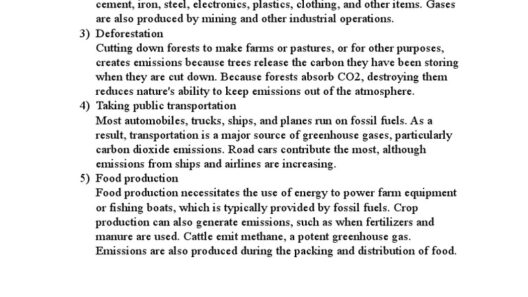
What can be done to support our tiny heroes of the ocean? The fight against climate change necessitates a multi-faceted approach that includes sustainable practices and policies aimed at reducing greenhouse gas emissions. Individuals are encouraged to minimize their carbon footprint by adopting eco-friendly practices such as using public transportation, reducing energy consumption, and supporting renewable energy initiatives. However, collective action at the governmental level is imperative. The implementation of policies reducing carbon emissions, regulating fishing industries, and protecting marine habitats is vital to nurturing the delicate balance necessary for phytoplankton to flourish.
Furthermore, investing in scientific research is essential for enhancing our understanding of phytoplankton dynamics. By exploring how changing ocean temperatures affect phytoplankton growth and diversity, scientists can provide invaluable insights that inform conservation strategies. Such research could lead to innovative strategies, including the potential use of marine fertilization techniques, which involve introducing nutrient-rich substances into the ocean to stimulate phytoplankton blooms deliberately.
In conclusion, while we often gaze up at tall trees or the magnificent polar ice caps in reverence, it is equally crucial to recognize the valuable role that phytoplankton play in our global ecosystem. These minute organisms serve as a foundation for oceanic health and climate regulation. By understanding both their challenges and opportunities, we can shape a future where these tiny heroes not only survive but thrive. The question then is: how will you contribute to fostering the resilience of our oceans and their microscopic fighters in this critical struggle against climate change?