


Climate change is no longer a distant specter looming on the horizon. It has thrust itself into our daily existence, manifesting through unprecedented weather patterns, rising sea levels, and a general sense of urgency permeating various sectors of society. A crucial question arises: How long will Earth endure under the pressures of global warming? This inquiry necessitates a dispassionate analysis of the scientific phenomena underpinning climate change and the potential trajectories of our planet’s future.
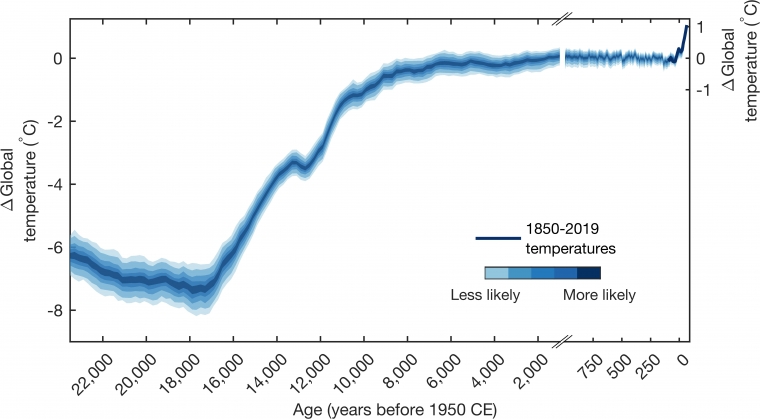
To comprehend the implications of global warming, one must first delve into the mechanics of climate systems. Earth’s climate operates as a delicate balance, hostage to myriad factors including greenhouse gas concentrations, solar radiation, and natural variability. Over the past century, anthropogenic activities—predominantly fossil fuel combustion, deforestation, and industrial processes—have injected copious amounts of carbon dioxide and other greenhouse gases into the atmosphere, leading to a significant alteration of this balance. The consequences of these alterations have been glaring, as evidenced by the upward trajectory of global temperatures over millennia. In examining historical data, it is clear that contemporary warming rates are unparalleled. Injustices rooted within socio-economic frameworks arise as vulnerable populations bear the brunt of climate-related catastrophes.
Despite prevailing assertions about the long-term viability of human existence on Earth, the reality is stark. Climate models delineate a range of potential scenarios, from the moderately optimistic to the dire. At the crux of these models lies a pivotal factor: our collective response to climate change. Will we embrace radical transformations in our energy systems, transportation methods, and land use practices, or will we default to a status quo that exacerbates the situation? This is not merely a matter of preference; it is an existential dilemma.
One particularly alarming aspect of this discourse is the phenomenon known as tipping points. Tipping points are thresholds beyond which certain ecological systems undergo irreversible changes. Think of the melting of the Greenland ice sheet, which, when coupled with existing sea-level rise, could prompt an exponential increase in global temperatures. This is not an unfathomable fear but a legitimate concern supported by rigorous scientific evidence. Once these tipping points are breached, the cascading effects can lead to feedback loops, further accelerating global warming.
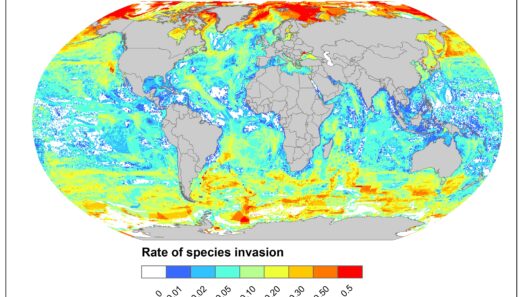
The ocean serves as a key player in this narrative. Covering over 70% of the Earth’s surface, it acts as a carbon sink, absorbing a substantial portion of atmospheric CO2. However, this process is not without consequences. Ocean acidification, a direct result of heightened carbon levels, threatens marine biodiversity and disrupts food chains. The implications stretch beyond marine ecosystems; they pose risks to fisheries and economies that depend on healthy oceanic conditions. In essence, the ocean’s health is intertwined with our fate, presenting yet another layer of complexity to the question of Earth’s longevity in the age of climate change.
As we contemplate the future, it is beneficial to explore the resilience of Earth’s systems. Ecosystems display remarkable adaptability, but they are not invincible. Transitioning ecosystems—like forests, wetlands, and grasslands—can sequester carbon and promote biodiversity, but they require proactive management to stave off degradation. Likewise, restoration initiatives can mitigate some adverse effects of climate change, yet they often hinge on public awareness and participation. This is where societal engagement becomes crucial. Individuals, communities, and nations must coalesce and act, recognizing that personal choices—ranging from reducing meat consumption to advocating for sustainable policies—collectively contribute to a more sustainable future.
Technology is another avenue through which we can reframe the narrative surrounding Earth’s future. Innovations in renewable energy, such as solar and wind power, offer hopeful alternatives to fossil fuels. Enhanced energy efficiency and breakthroughs in carbon capture and storage can curb greenhouse gas emissions significantly. However, the scale of deployment must be rapid and comprehensive. Promising technologies can only serve their purpose if they achieve widespread adoption and receive robust investment. This necessitates a reimagining of economic structures, prioritizing sustainability over immediate financial gain.
Ultimately, the question—How long will Earth last with global warming?—cannot be answered definitively. Various factors influence this complex interplay, ranging from technological advancements to collective human behaviors. The timeframe of our planet’s habitability may extend or diminish based on our decisions today. The notion of “sustainability” must transform from rhetoric into actionable policies and practices across all sectors.
In summary, the interplay between climate change and Earth’s longevity is multifaceted and fraught with uncertainty. It is imperative to recognize that our choices and responses today will reverberate through time, affecting generations to come. The opportunity to reverse the trajectory of global warming exists, contingent on unified action and commitment. Only through a concerted effort can humanity hope to stabilize the very systems that sustain life on this planet, striving to ensure that Earth remains a viable home for future generations. Through education, advocacy, and innovation, the narrative can shift from one of despair to one of hope and resilience. The future is in our hands, and thus the ultimate question unfolds into a clarion call for immediate and sustained action.