
As we traverse the contemporary landscape, the looming specter of climate change casts a long and ominous shadow upon our world. This warming phenomenon, akin to a fever running unchecked, threatens not only the delicate fabric of our ecosystems but also the very livelihood of millions. With each increment of temperature rise, we inch closer to a state of peril characterized by extreme weather events, rising sea levels, and loss of biodiversity. This exploration seeks to elucidate the myriad ways in which a warming world beckons consequences that are as profound as they are far-reaching.
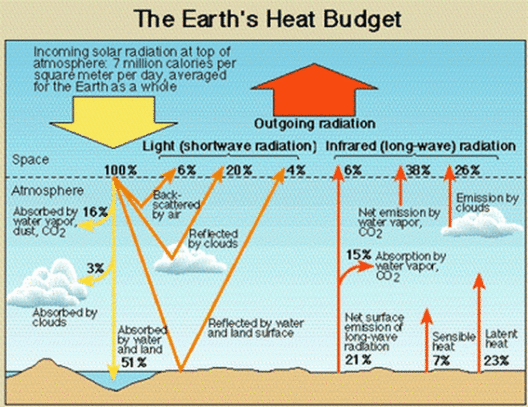
The increase in global temperatures is akin to a boiling pot of water. The temperature within the pot rises incrementally until it reaches a point where the consequences become inescapable. Just as the water begins to bubble and steam, so too does the Earth react to the incessant rise in greenhouse gas emissions. The result is a cascade of environmental phenomena—heatwaves scorching cities, hurricanes intensifying their ferocity, and droughts extending their grasp over once-fertile lands. Each incident serves as a harbinger of the burgeoning climatic instability that threatens to envelop us.
One of the most alarming consequences of our warming world is the acceleration of ice melt in polar regions. Glaciers and ice sheets, which have stood guard over the landscapes of Antarctica and Greenland for millennia, are now succumbing to the relentless heat. These colossal masses of ice, once bastions of stability, are retreating at an unprecedented pace. As they diminish, the repercussions extend far beyond the colder climes. The influx of freshwater into the oceans disrupts longstanding currents, setting off a chain reaction that could drastically alter weather patterns globally. The world, reminiscent of a finely woven tapestry, begins to unravel when one thread is pulled too hard.
Moreover, rising sea levels born from this ice melt pose an existential threat to coastal communities worldwide. The United Nations projects that by 2050, millions will be at risk of displacement as their homes become engulfed by encroaching waters. Imagine a world where bustling cities like Miami, New York, and Jakarta are transformed into modern-day Atlantis—lost to rising tides. For many, this fate is not a distant scenario; it is an imminent reality that demands urgent action. Coastal infrastructure, ecosystems, and indeed, entire economies hang perilously in the balance.
The intricate dance of ecosystems is also deeply affected by rising temperatures. Forests, wetlands, and coral reefs, each teeming with diverse life forms, are under siege. Tree species that once thrived in specific climatic zones are finding their homes increasingly inhospitable. The oak that stood resilient for centuries could soon give way to invasive species better suited to a warmer environment. The fabric of flora and fauna, woven together over countless eras, is fraying, leading to a tragic loss of biodiversity that compromises ecological health and resilience.
As we venture deeper into this warming reality, the repercussions pervade human society as well. Agriculture, the backbone of civilization, faces grim prospects as extreme weather disrupts growing seasons and crop yields. Smallholder farmers, who rely on predictable weather patterns, find themselves at the mercy of erratic conditions. The fruits of their labor—once bountiful—now hang in a precarious balance. The specter of food insecurity looms larger, poised to trigger social unrest as basic needs go unmet. A ‘harsh harvest’ could give rise to famines that echo throughout history, where hunger threatens to tear communities apart.
Public health is another battleground where the impacts of climate change are manifesting with tragic clarity. As temperatures rise, so too does the incidence of heat-related ailments. Vulnerable populations—elderly individuals, the poor, and those with pre-existing conditions—face the brunt of this escalating crisis. Furthermore, altered ecosystems facilitate the spread of vector-borne diseases, as mosquitoes and ticks expand their territories into regions previously deemed too cold for their survival. The struggle for a healthy existence becomes entwined with the very fabric of our climate.
Awareness and action, however, are burgeoning vis-à-vis this existential crisis. Movements worldwide are mobilizing, urging governments and corporations to heed the warning signs, much like a siren crying out from the precipice. Renewable energy initiatives, although nascent, are gaining momentum, backed by a cohort of innovators unyielding in their pursuit of sustainable solutions. Solar panels and wind turbines have emerged from the periphery to claim center stage in the transition towards a cleaner energy future. The age of fossil fuels is now met with a clarion call for an energy revolution that could reshape industries and drive robust economies.
Moreover, environmental stewardship is gaining traction among individuals who understand that personal choices matter. The shift toward sustainable consumption, reducing waste, and advocating for environmental policies signifies a collective consciousness awakening to the reality of our warming world. Every effort, no matter how small, contributes to an overarching tapestry of change, woven with resilience and determination.
In essence, the warming world represents a pivotal juncture in human history—a clarion call to recognize the interconnectedness of all life on Earth. As the tales of sorrow and triumph unfold, our response could very well define the legacy we leave for future generations. Combating climate change necessitates a concerted effort from every corner of society, invoking a sense of responsibility that transcends borders. The sands in the hourglass may diminish, but the possibility for redemption and restoration still shines brightly against the backdrop of a warming world.
Indeed, as the narrative of climate change continues to unfold, it presents us with a unique and compelling invitation—to join hands and pave a path toward a resilient future. It is a journey marked by collaboration and innovation, wherein society collectively learns to tread lightly upon the earth, safeguarding the natural heritage we have inherited for generations yet to come.