
The phenomenon of global warming encompasses a multifaceted interlude of climatic escalations that have burgeoned over the decades. The constancy of rising global temperatures is corroborated by an amalgamation of evidences, spanning academic research, climatic models, and empirical observation. As we dissect the various dimensions of this annual escalation, it becomes increasingly pertinent to grasp the implications it holds for our global ecosystem.
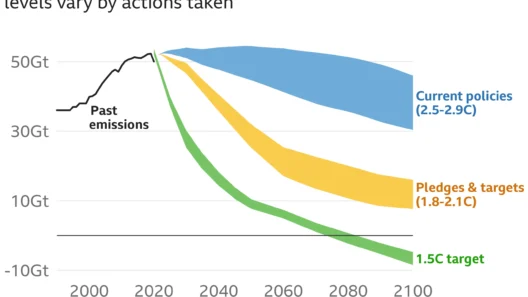
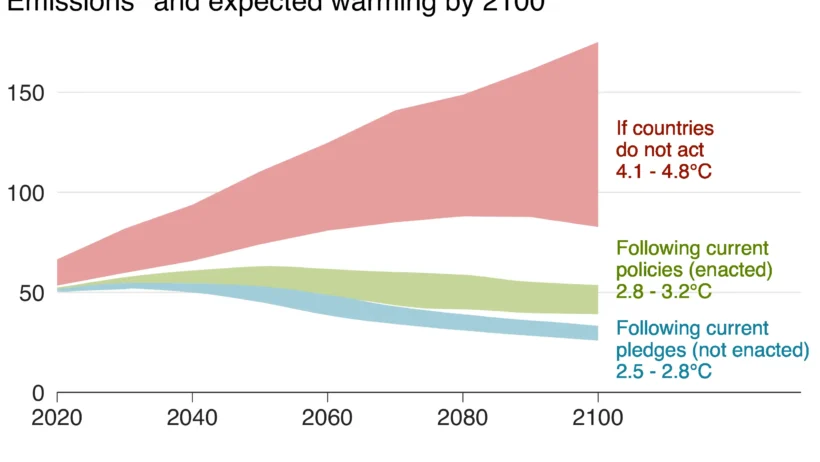
First and foremost, the thermal trajectory of the Earth’s atmosphere has exhibited a relentless increment, primarily attributed to anthropogenic activities. The combustion of fossil fuels and deforestation are prime contributors releasing copious amounts of greenhouse gases into the atmosphere, creating a veritable blanket that traps heat. The Intergovernmental Panel on Climate Change (IPCC) chronicles these changes meticulously, elucidating that global temperatures have risen by approximately 1.1 degrees Celsius since the late 19th century. This seemingly minimal figure belies the magnitude of disturbances unleashed upon diverse ecosystems worldwide.
The year-on-year data unveils a stark reality; the past decade has been among the hottest on record. The data encompasses myriad weather patterns, ranging from torrential downpours to unprecedented droughts, illustrating the perturbation of climatic norms. Trends reveal that atmospheric phenomena are shifting, leading to more severe weather events with grim ramifications for human livelihood and natural habitats alike.
Seasonal variations, too, have been profoundly impacted. The transition from winter to spring is increasingly unpredictable. Historical patterns that once defined agrarian calendars are now rendered obsolete, debilitating farmers’ efforts and engendering food insecurity. Regions that were once bastions of agricultural abundance are experiencing crop failures as erratic weather disrupts planting and harvesting cycles. Consequently, the nexus between climate change and food security merits our urgent attention.
In addition to the direct ramifications of rising temperatures, ancillary effects are surfacing; notably, the melting of polar ice caps and glaciers. The Arctic and Antarctic regions serve as vital indicators of climate health. Satellite imagery reveals that Arctic sea ice extent is diminishing at an alarming rate, compounded by the accelerated melting of Greenland’s ice sheet. These shifts are consequential, resulting in rising sea levels that threaten coastal communities across the globe. Projections indicate that significant portions of Bangladesh and numerous Pacific island nations may soon succumb to permanent inundation.
Further compounding these challenges is the surge in ocean temperatures and acidification. The oceans, acting as carbon sinks, are absorbing excess carbon dioxide, leading to increased acidity that jeopardizes marine biodiversity. Coral reefs, known as the rainforests of the sea, are particularly vulnerable; widespread bleaching events have become more frequent, driven by elevated water temperatures and the resultant stress inflicted upon these delicate ecosystems. The ramifications echo through food webs, disrupting the equilibrium necessary for sustained marine life.
The socio-economic fabric of our global society is also fraying, with vulnerable populations facing the brunt of climatic upheavals. Climate-induced migration is emerging as a pressing issue; individuals and communities are being displaced due to extreme weather events or progressive sea-level rise, exacerbating socio-political tensions. Refugee crises exacerbated by climate change further underline the need for comprehensive policies to mitigate impacts on human livelihoods.
Despite the daunting challenges, there are avenues for amelioration. Global climate agreements, such as the Paris Accord, aim to galvanize collective action. These accords hinge upon the commitment of nations to curtail greenhouse gas emissions, thereby stabilizing global temperatures. The transformative potential of renewable energy sources, including solar, wind, and hydroelectric power, represents a critical pivot away from fossil fuel dependency. The transition to a low-carbon economy is not only feasible but imperative.
Moreover, public awareness and advocacy play a pivotal role in confronting the climate crisis. Grassroots movements have burgeoned, urging governments and corporations to prioritize sustainability over short-term gains. Citizen activism is a vital catalyst for change, as individuals mobilize to demand accountability, transparency, and a commitment to environmental stewardship. The interconnectivity fostered by digital platforms amplifies these efforts, creating a global chorus advocating for environmental justice.
In addition, innovation in technology presents exciting prospects for combating climate change. Advances in carbon capture and storage, as well as sustainable agricultural practices, are being explored to reduce emissions while enhancing food security. Furthermore, the development of urban green spaces reflects a concerted effort to combat the urban heat island phenomenon, fostering resilience amidst climate adversities.
In conclusion, understanding the yearly escalation of global warming is not merely an academic endeavor; it is a clarion call for action. The cumulative narrative of climatic change encapsulates the urgency with which we must approach environmental policies, societal accountability, and innovative solutions. Recognizing this trajectory empowers us to mobilize effectively, charting a course towards a sustainable future. Remember, as we stand at this crossroads, the onus is on us to defend our planet and cultivate resilience for generations to come.