
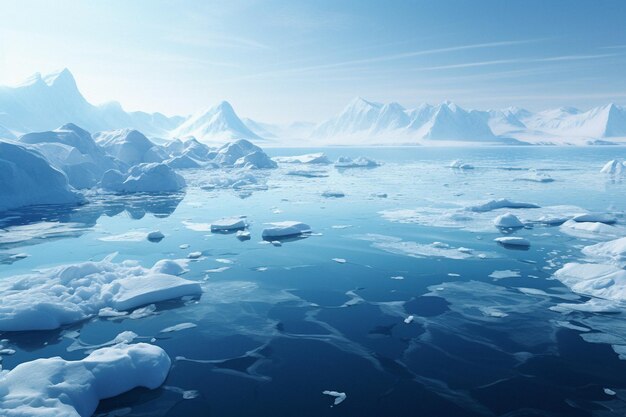

The dichotomy of global warming presents a paradox that reverberates across ecological, social, and economic spectrums. The planet, in its ongoing struggle with climate change, finds itself grappling with two seemingly contradictory yet intrinsically linked phenomena: dwindling freshwater resources and rising sea levels. This condition illustrates a dual impact on water that demands immediate attention and action. Understanding this complex interplay is essential for grasping the nuances of climate disruption and its implications on human civilization.
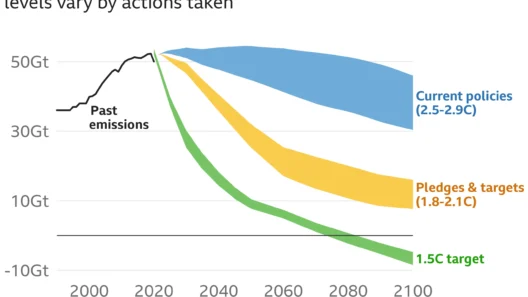
Global warming, primarily driven by anthropogenic factors such as greenhouse gas emissions, has catalyzed a cascade of events that affect water availability worldwide. Rising temperatures exacerbate evaporation rates, which in turn diminishes freshwater supplies. Water bodies, including lakes, rivers, and reservoirs, are experiencing significant declines in levels due to increased evaporation caused by elevated atmospheric temperatures. This phenomenon leads to a depletion of the very essence of life – freshwater – a resource that is already under tremendous pressure from excessive consumption and pollution.
On the other end of the spectrum lies the unsettling reality of rising sea levels. As glaciers and polar ice caps succumb to the inexorable rise in temperatures, the gravitational forces that once held these colossal ice masses in check are diminishing. The melting ice sheets contribute an alarming volume of water to the oceans, further exacerbating the peril of flooding in coastal regions. According to recent projections, global sea levels could rise significantly if the current trajectory of climate change continues unchecked. These two forces – diminishing freshwater and encroaching seawater – present a dual menace to our planet.
The repercussions of this dual impact are profound, reaching far beyond simple statistics and figures. As freshwater resources dwindle, communities across the globe face increasing competition for access to clean drinking water. Areas that once flourished with ample rivers and lakes are now battling drought conditions. Agricultural sectors, which rely heavily on consistent water supplies for irrigation, are suffering. Food security is at stake as crop yields decline in the face of limited water availability. These challenges lead to social strife as communities vie for dwindling resources, potentially escalating into larger conflicts.
Moreover, the rising seas bring about a host of challenges that are equally detrimental to human life and biodiversity. Coastal cities, which serve as hubs for economic activity, are particularly vulnerable. With populations concentrated in these areas, the threat of inundation looms large. Infrastructure built on the shores is increasingly at risk, necessitating costly adaptations or relocations. Saltwater intrusion contaminates freshwater aquifers, further complicating water availability issues for communities reliant on groundwater. This intersection of rising seas and dwindling freshwater necessitates innovative and sustainable approaches to water management.
As governments and organizations around the world grapple with the implications of climate change, the importance of integrated water resource management becomes clear. A shift in perspective is imperative; we must transcend traditional water management paradigms that treat freshwater and saltwater as separate entities. Instead, a holistic view that recognizes the interdependence of these resources is necessary. Investment in desalinization technologies may offer solutions for some regions facing acute freshwater shortages, but these methods must be balanced with the understanding of energy consumption and environmental impacts associated with such processes.
Additionally, promoting water conservation practices is critical in mitigating the effects of decreasing freshwater supplies. Communities can adopt measures such as rainwater harvesting, greywater recycling, and improved irrigation technologies to enhance the sustainability of their water use. These practices not only alleviate pressure on freshwater resources but also foster a culture of environmental stewardship. Education and awareness campaigns can further equip individuals with tools to engage in responsible water use, emphasizing the shared responsibility in combating climate change.
Furthermore, restoring natural ecosystems can simultaneously address the challenges posed by both rising seas and dwindling freshwater. Wetlands, mangroves, and other coastal ecosystems serve as buffers against storm surges and flooding while providing critical freshwater filtration services. Investing in the restoration and protection of these vital ecosystems can create resilient communities that can withstand the vagaries of climate change. They also serve as biodiversity hotspots, essential for maintaining ecological balance and supporting life on Earth.
As we navigate the complexities of a changing climate, understanding the dual impact of global warming on water prompts a critical reevaluation of our approach to resource management. The choices made today will indelibly shape the future of our planet. It is incumbent upon individuals, communities, and nations to reinvigorate their commitment to sustainability and environmental justice. The duality of our predicament presents a unique opportunity to innovate, collaborate, and build a more resilient future.
By fostering a global dialogue centered around the interrelated issues of water scarcity and rising sea levels, we can cultivate curiosity and engagement. It encourages individuals to ponder their role in this narrative, piquing interest in sustainable practices that can mitigate the ongoing crisis. The thirst of a planet under duress implores us to act decisively, not only to secure our own survival but to protect the myriad forms of life that call Earth home. With knowledge, collaboration, and a shift in our collective consciousness, it is possible to reimagine a future wherein the devastating impacts of global warming yield to a commitment to coexist harmoniously with our planet’s water resources.