

The oceans, often perceived as a vast, unchanging expanse, are experiencing a seismic shift in their dynamics due to global warming. The pervasive influence of climate change has incited a cascade of alterations in oceanic environments, posing significant challenges for marine ecosystems and human societies alike. As temperatures rise, sea levels are inching upward, ecosystems are deteriorating, and the delicate balance of marine life is being disrupted. Observing the tidal changes and unusual marine phenomena offers insight into the complexities of these transformations.
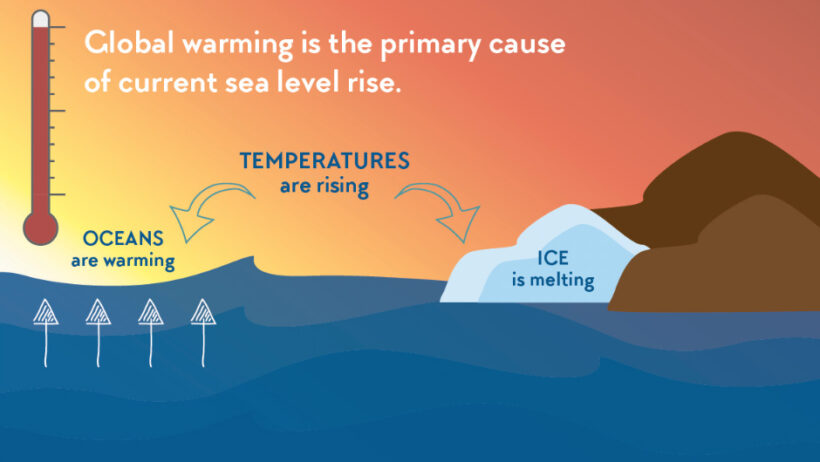
One of the most pressing issues is the phenomenon of sea level rise. As global temperatures increase, polar ice caps and glaciers melt at an unprecedented rate. This melting contributes directly to elevated sea levels, which, in turn, can lead to coastal flooding, erosion, and the inundation of vital habitats. Coastal communities are becoming increasingly vulnerable, with some regions facing existential threats. The spatial ramifications are profound; cities like Miami and New Orleans are grappling with the encroaching tides while attempting to fortify their defenses against this unrelenting threat.
In addition to sea level rise, oceans are absorbing approximately 30% of the carbon dioxide emitted into the atmosphere. This process leads to ocean acidification, a chemical reaction that has deleterious effects on marine life. Organisms such as corals, mollusks, and certain types of plankton are particularly susceptible to these changes. Coral reefs, often referred to as the “rainforests of the sea,” are becoming increasingly stressed, resulting in widespread coral bleaching events. The vibrant ecosystems that flourish in these underwater worlds are being replaced by barren stretches devoid of life, which ultimately affects biodiversity and food sources for countless fish species and marine mammals.
Furthermore, the warming of ocean waters is catalyzing shifts in marine species distribution. Fish populations are migrating towards cooler waters, which could lead to significant ecological imbalances. Fisheries, a crucial source of protein for billions of people, are also feeling the impacts. Stock assessments reveal that many commercially important species are either declining or being pushed into unfamiliar territories, exacerbating tensions between nations over fishing rights and resources. The robustness of global fisheries depends on the intricate balance of these ecosystems, which is now in jeopardy due to climate-induced changes.
These transformations extend beyond ecological consequences. The socio-economic ramifications are profound. Coastal economies that rely heavily on tourism and fishing are at risk as oceanic environments degrade. The allure of pristine beaches and rich marine life is being tarnished by pollution, habitat destruction, and climate change, threatening jobs and livelihoods. It is not just an environmental issue but a human one; the interconnection between marine health and economic stability cannot be overstated.
Moreover, rising ocean temperatures have been linked to the increasing frequency and intensity of weather events, including hurricanes and typhoons. Warmer waters fuel storm systems, resulting in catastrophic weather patterns that can devastate coastal communities. The onslaught of these destructive forces epitomizes the chaotic dance of climate change as it manipulates natural systems with far-reaching consequences. Residents in hurricane-prone areas find themselves in a perpetual cycle of recovery, ill-prepared for the next tumultuous event.
It is also essential to consider the implications of changes in ocean currents. These currents play a pivotal role in regulating global climate patterns. Alterations in their strength and direction can disrupt weather systems, affecting rainfall patterns and agricultural output far from the oceans. The interdependent relationships within the Earth’s systems mean that unexpected changes in one sector can reverberate throughout the planetary system, highlighting the intricate tapestry of cause and effect that governs our environment.
Awareness and understanding of these pressing issues are crucial for initiating change. Education and advocacy are vital tools for empowering individuals and communities to engage with the climate crisis actively. By driving policy changes and adopting sustainable practices, society can work towards mitigating the impacts of global warming on the oceans. Additionally, investment in renewable energy technologies, marine conservation initiatives, and research into adaptive strategies must be prioritized. These actions can help curb greenhouse gas emissions, reduce reliance on fossil fuels, and foster a more resilient marine environment.
Ultimately, the oceans are a reflection of our planet’s health. The changes occurring within them present both alarming challenges and unique opportunities for innovation and resilience. Their evolving nature serves as a clarion call for collective action, urging society to rethink its relationship with the natural world. As the tides continue to shift, a more sustainable and compassionate approach to ocean management becomes imperative. The waves of change are relentless, but by addressing the underlying causes of global warming, humanity can strive to turn the tides from trouble to triumph.