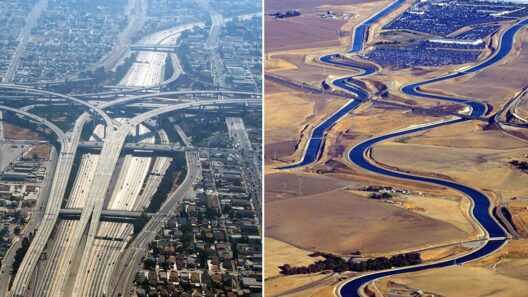



Urbanization is a phenomenon that has been significantly reshaping landscapes across the globe. As cities expand rapidly, the impact of this urban sprawl on climate change becomes increasingly evident. The intricate relationship between urbanization and global warming highlights a complex interplay of socio-economic factors, environmental repercussions, and public health challenges. Understanding this dynamic is crucial for advancing sustainable development and mitigating the adverse effects of climate change.
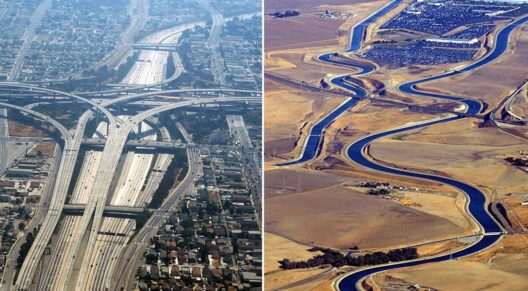
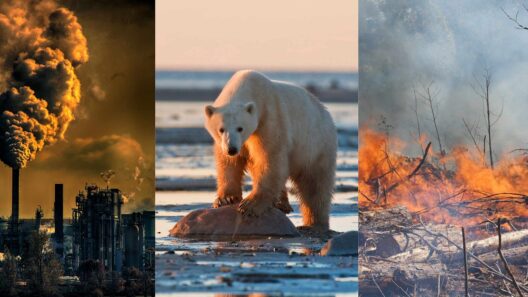
The foremost observation pertaining to urban sprawl is its contribution to greenhouse gas emissions. As populations migrate towards metropolitan areas, the need for housing, infrastructure, and transportation intensifies. Consequently, urban areas consume vast resources, leading to increased energy demands. This situation is exacerbated by the reliance on fossil fuels for electricity and transportation. The expansion of cities often necessitates additional roadways and automotive vehicles, increasing carbon footprints collectively. This transport-related emissions issue is a significant contributor to global warming, prompting a pressing need for innovative urban planning solutions.
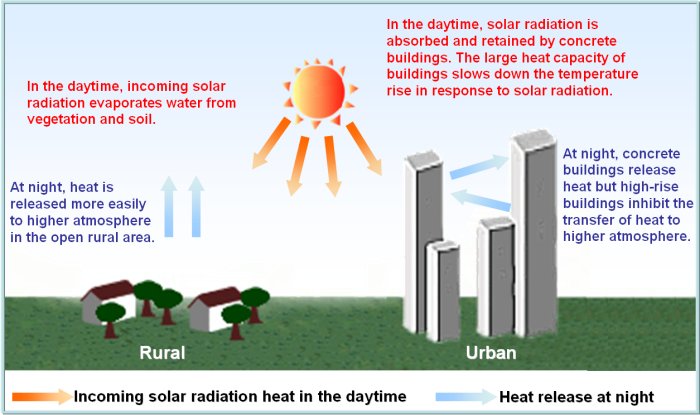
Not only does urbanization exacerbate carbon emissions, but it also influences local climates—a phenomenon known as the urban heat island effect. Urban areas tend to absorb and retain heat due to human activities, artificial surfaces, and limited vegetation. The materials used in urban construction—such as concrete and asphalt—often have higher thermal mass, leading to elevated temperatures compared to surrounding rural landscapes. This localized warming trend impacts energy consumption, prolonging the use of air conditioning and thereby further augmenting emissions. Mitigating the urban heat island effect requires intelligent landscaping and the integration of green spaces within urban planning.
An underlying factor contributing to urban sprawl is the socio-economic allure of urban centers. Cities often symbolize opportunity, connectivity, and a higher quality of life. As communities aspire for better living standards, they flock to urban areas in search of employment, education, and healthcare. This demographic shift creates a cascading effect, where increased density forces development beyond urban boundaries into less populated regions, thus facilitating suburban expansion. A critical analysis reveals that many of these newly developed areas lack the necessary infrastructure to support sustainable living practices, leading to further environmental degradation.
Additionally, the imbalance in economic activities can skew environmental priorities. Often, economic development is prioritized over environmental conservation, leading to poor land management practices. Industrial activities are frequently situated closer to urban centers to minimize transportation costs; however, these industries also exacerbate pollution, diminishing air and water quality. Communities adjacent to industrial zones bear the brunt of these negative externalities, often leading to disparate health outcomes. This inequitable distribution of environmental burdens reveals an urgent need for policies that promote environmental justice alongside urban development.
The significance of regional planning cannot be understated in addressing urbanization’s impacts on climate change. Sustainable urban designs can play a pivotal role in fostering resilience against climate-related challenges. Compact city models, promoting mixed-use development, and enhancing public transit systems are all strategies aimed at reducing reliance on automobiles and curtailing emissions. Furthermore, integrating renewable energy sources and energy-efficient building technologies within urban settings can foster a transition towards sustainability.
The implementation of green infrastructure offers another avenue toward mitigating the effects of urban sprawl. Initiatives aimed at enhancing biodiversity through parks, green roofs, and urban forests can cool urban environments, improve air quality, and promote water efficiency. These features not only combat the urban heat island effect but also contribute to carbon sequestration. Moreover, engaging communities in green projects serves to raise awareness about climate consciousness and instills a sense of stewardship toward local ecosystems.
Challenges remain, particularly in garnering political will and mobilizing financial resources. Policymakers must navigate a labyrinth of competing interests to prioritize initiatives that combat climate change. In addition, catalysts for change may be met with resistance, often rooted in established interests and economic paradigms resistant to disruption. Nevertheless, advocacy efforts can influence policy frameworks by rallying public support for climate action and emphasizing the long-term economic benefits of sustainable practices.
Moreover, education plays an integral role in shaping perceptions about urbanization and environmental stewardship. By fostering a culture of sustainability at a grassroots level, municipalities can empower citizens to take action, advocate for better policies, and participate actively in their communities. Educational initiatives, particularly those targeting youth, can highlight the consequences of negligence toward environmental issues and pave the way for informed decision-making in the future.
As the world continues to urbanize, understanding the symbiotic relationship between urbanization and climate change becomes imperative. Acknowledging the challenges posed by urban sprawl and its implications for global warming is the first step toward developing coherent strategies for urban resilience. Promoting sustainable practices, enhancing green technology, and fostering community engagement are essential components of transitioning towards urban environments that are both habitable and harmonious with the planet.
Ultimately, combating climate change in urban areas requires a multifaceted approach that transcends traditional urban planning. The path forward must incorporate innovative strategies, equitable policies, and a proactive citizenry to successfully confront the ensuing challenges of urbanization in a time of climate crisis. By addressing both the symptoms and underlying causes of urban sprawl, we can catalyze a meaningful transformation towards sustainability and climate resilience.