



The phenomenon of climate change, while acknowledged as a global predicament, manifests with distinctive local ramifications across the United States. These impacts are not merely abstract concepts; they are palpable realities that influence the daily lives of millions. From the shores of Florida to the forests of California, the changing climate has precipitated a myriad of disruptions that reverberate through ecosystems, economies, and communities.
To grasp the local impacts of climate change, one must first consider the alterations in weather patterns. The increase in atmospheric temperatures has led to fluctuations that can provoke severe weather phenomena, such as hurricanes, droughts, and torrential rains. For instance, the Eastern seaboard has witnessed an uptick in hurricane frequency and intensity. Storm surges have escalated in their destructiveness, leading to devastating flooding in coastal cities like New Orleans and Miami. Not only do these storms inflict immediate damage to infrastructure, but they also compel long-term shifts in population dynamics, as residents may choose to relocate away from vulnerable coastal areas.
Conversely, in areas like the West, prolonged droughts have become increasingly common. Agricultural communities, reliant on consistent rainfall, confront diminishing water supplies that threaten crop yields and livestock viability. The ramifications are profound; farmers are burdened with heightened operational costs and modified agricultural practices while trying to adapt to an ever-elusive climate. This cycle of drought and adaptation stresses not only the agricultural sector but also local economies dependent on these industries.
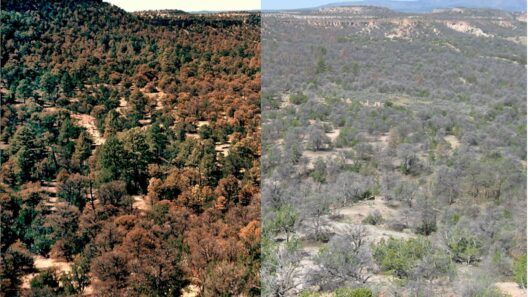
The ecological repercussions are equally significant, as climate change catalyzes alterations in biodiversity. Species that once thrived in specific habitats are now forced to migrate to more suitable environments as their traditional ecosystems become inhospitable. This redistribution can lead to imbalances within local food webs, with predators and prey struggling to maintain their roles. For example, the migration of species like the monarch butterfly, whose lifecycle is intricately tied to specific plant species, signifies a larger trend of ecosystem disarray. Ultimately, this disrupts not just the natural order but also the cultural and recreational practices of communities reliant on these ecosystems for hunting, fishing, and tourism.
Moreover, the health implications of climate change are profoundly disturbing. Rising temperatures contribute to an increase in heat-related illnesses and exacerbation of respiratory conditions prevalent in urban areas, where pollution levels rise alongside heat indexes. Vulnerable populations, particularly the elderly and low-income communities, disproportionately bear the brunt of these health crises. Public health systems are strained as they adapt to increasing rates of heat strokes and respiratory ailments, entrenching social inequities within climate change discourse.
Infrastructure is another critical area affected by climate change. Cities like Houston and San Francisco are witnessing the degradation of existing infrastructure due to increased rainfall and flooding. Roads, bridges, and public transportation systems require significant investment for retrofitting, but funding remains a substantial hurdle. Local governments must prioritize sustainability while grappling with limited budgets. The need for resilience planning has never been more urgent, necessitating innovative engineering responses that incorporate adaptive technologies and sustainable practices.
Adaptation strategies undertaken by local governments often encompass a multifaceted approach that includes investing in green infrastructure, enhancing emergency preparedness, and encouraging community engagement. Green roofs, permeable pavements, and expanded green spaces can mitigate urban heat islands and improve stormwater management. Communities that actively engage in creating resilience plans tend to fare better during climate events, as they foster a culture of awareness and preparedness among residents.
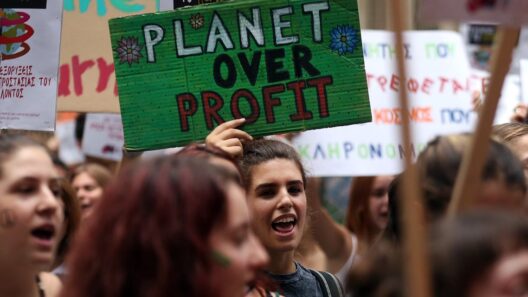
Community-based initiatives represent a pivotal response to localized impacts of climate change. Grassroots organizations often spearhead projects focused on education and advocacy, mobilizing residents to actively participate in sustainable practices. From community gardens to local clean-up events, these initiatives engender a sense of ownership and responsibility towards the environment. Citizen involvement serves as a powerful mechanism for local adaptation and strengthens social ties, as residents unite under a common goal of combating climate change.
Policy advocacy plays an instrumental role in addressing the local implications of climate change. Enhanced regulations and legislation at both state and federal levels can foster resilience and mitigation strategies that are rooted in scientific research. Initiatives aimed at reducing carbon emissions, investing in renewable energy sources, and promoting sustainable land use practices are imperative for cultivating a more secure and environmentally friendly future. Addressing climate change requires a holistic approach that considers the intertwined nature of economic, social, and environmental factors.
In conclusion, the local impacts of climate change are multifaceted and warrant urgent attention. The paradigm of viewing climate change solely as a global phenomenon must shift to acknowledge its profound local repercussions. From severe weather events that dismantle communities to biodiversity losses that disrupt ecosystems, the ramifications of climate change are inextricably linked to daily life. It is incumbent upon communities, policymakers, and individuals to proactively engage in adaptive practices and advocate for sustainable solutions. Ultimately, embracing a localized understanding of climate change is essential to cultivating resilience and fostering a sustainable future for generations to come.