

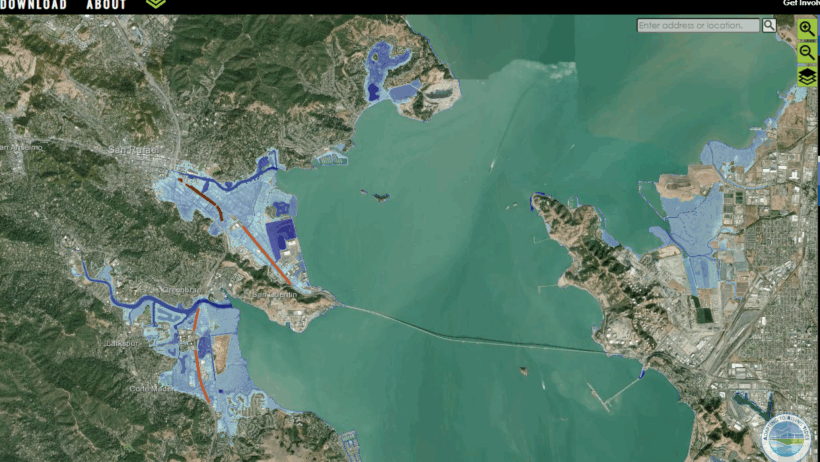

As the sun sets over the Atlantic, the waves crash relentlessly against the shore, a picturesque scene that belies a grave predicament: the rising of our seas is no longer a distant threat, but an imminent reality. Have you ever pondered what it would be like to wake up one day and find your beloved coastal community underwater? This hypothetical scenario raises a critical question about our future—how can we effectively adapt to the encroaching tide while preserving our natural habitats and human infrastructures?
The United States is home to an expansive and varied coastline, from the white sandy beaches of Florida to the jagged cliffs of Maine. Our coastal regions provide not only breathtaking landscapes but also essential resources—economic activity, tourism, and rich biodiversity. Sadly, the adverse effects of climate change, particularly sea-level rise, threaten these coastal ecosystems and the livelihoods they sustain. With projections suggesting a potential sea-level rise of up to six feet by 2100, we must confront this environmental crisis with urgency and innovation.
Sea-level rise is predominantly the result of two phenomena: the thermal expansion of seawater as it warms and the melting of ice sheets and glaciers. As global temperatures rise, these factors contribute to an alarming increase in the volume of ocean water. However, the consequences are not uniform; different regions experience varying levels of sea-level rise due to factors such as local land subsidence and ocean currents. This intricate mosaic of impact necessitates localized solutions tailored to unique geographic and socioeconomic contexts.
One might wonder: How do we strike a balance between development and preservation in our coastal regions? It’s inevitable that communities must weigh the benefits of economic growth against the stark reality of environmental degradation. We are challenged to rethink traditional approaches, moving from a reactive stance to a proactive one. Since the 1970s, policies often relied on shore protection measures—bulkheads, seawalls, and groins designed to shield the land from waves. While these barriers have provided short-term relief, they frequently exacerbate erosion further down the coastline and disrupt natural sediment transport processes.
In light of these challenges, a paradigm shift is necessary. Resilience strategies focusing on sustainable solutions are emerging—such as nature-based approaches that utilize coastal habitats to mitigate the effects of rising waters. Restoring mangroves, wetlands, and salt marshes can significantly buffer storm surges, improve biodiversity, and enhance carbon sequestration. Furthermore, these ecosystems serve as essential nurseries for many coastal species, sustaining fisheries that are vital to local economies. Embracing these strategies not only fortifies our coastlines but honors the intricate relationships we share with nature.
Furthermore, the implementation of managed retreat is gaining traction as a viable long-term solution. This strategy involves relocating homes, businesses, and infrastructure away from vulnerable areas, allowing nature to reclaim its space. While the concept may seem radical, it is essential to acknowledge the inevitability of sea-level rise. Coastal communities must begin to thoughtfully engage in conversations about which areas are worth saving and which may need to be surrendered. Community involvement is crucial in guiding these discussions, ensuring that the voices and needs of residents are prioritized.
Education plays a pivotal role in building awareness and fostering a culture of resilience. Cultivating an understanding of climate-induced challenges empowers citizens to become advocates for adaptive measures within their communities. Educational programs should cover the importance of environmental stewardship, the science behind climate change, and practical steps individuals can take to reduce their carbon footprint. Only through collective awareness can we hope to galvanize action at local, state, and national levels.
As we delve deeper into our exploration of adaptability, the significance of innovative coastal planning becomes evident. Local governments must develop comprehensive strategies incorporating zoning laws that discourage development in high-risk areas and promote investment in infrastructure capable of withstanding severe weather events. Implementing green infrastructure, such as permeable pavements and rain gardens, can enhance urban resilience while simultaneously improving water quality and reducing runoff.
However, funding and resources remain formidable challenges for many coastal communities. Navigating the complex web of federal, state, and local funding sources can be overwhelming. It requires tenacity and collaboration among stakeholders. Financial investments in infrastructure improvements must be prioritized; otherwise, when storms strike, the costs of inaction will far exceed those of proactive measures. Diverse funding avenues, including federal grants, state-financed initiatives, and community fundraising efforts, must be harnessed to support adaptation strategies.
The significance of research and technological innovation cannot be overstated in our quest to understand and address coastal crises. Data collection through satellite imagery, climate modeling, and community-led science initiatives enhances our understanding of localized impacts. Advances in technology provide opportunities for monitoring changes in coastal ecosystems and predicting potential future scenarios. This knowledge is indispensable for informed decision-making and robust planning.
In conclusion, the United States’ coastal crisis necessitates urgent action and innovative solutions to adapt to rising seas. Balancing development and preservation is a complex challenge, demanding a multifaceted approach rooted in sustainability. Utilizing nature-based strategies, engaging in managed retreat, fostering education, and committing to innovative planning are key steps toward ensuring our coastal communities thrive despite the relentless advance of the ocean. Rising tides may pose a playful question about our future, but in reality, they compel us to respond with resilience, ingenuity, and unyielding determination.