
As we dig into the penetrating realities of climate change, one can’t help but ponder: what will become of our treasured coastal ecosystems when faced with the relentless advance of global warming? This inquiry raises not only awareness but also a pivotal challenge that we must address with urgency and tenacity. Coastal areas, cherished for their biodiversity and beauty, are increasingly at risk due to the multifaceted impacts of climate change, notably in the United States, where marine ecosystems serve as pivotal resources for both economic vitality and environmental health.
The coastal regions of the United States, including vital marine habitats such as coral reefs, estuaries, and wetlands, are amongst the most biodiverse ecosystems on the planet. These areas harbor a plethora of species, many of which are endemic and contribute to complex ecological webs. However, as ocean temperatures rise and acidification proliferates, species that thrive in these delicate environments face existential threats. Organisms like corals, which are not only critical for structural habitats but also support immense marine biodiversity, are experiencing mass bleaching events linked to increased water temperatures. Could we afford to lose these living structures, which also act as natural barriers against storm surges?
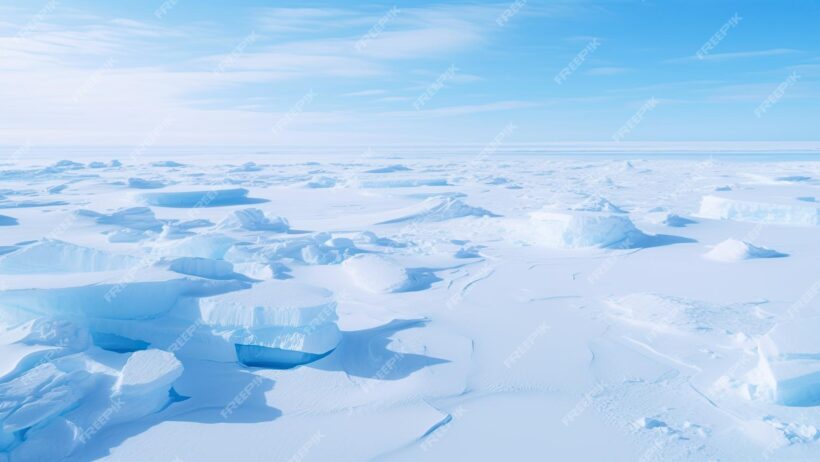
Moreover, melting polar ice caps and glaciers are contributing to rising sea levels, which is a monumental challenge for coastal communities. According to projections, sea levels could rise by as much as several feet by the end of the century. This encroachment of saltwater threatens freshwater sources and compromises the integrity of coastal infrastructures, leading to increased flooding and erosion. Are our coastal cities prepared for the impending inundation and displacement caused by higher tides? The implications extend beyond environmental concerns; economic ramifications loiter ominously on the horizon. Many coastal economies depend heavily on tourism, fisheries, and recreation, all of which are jeopardized by the deteriorating state of marine ecosystems.
As one contemplates this scenario, consider the ramifications of disrupted food chains within these ecosystems. The foundation of marine food webs—the phytoplankton and zooplankton—are subject to the corrosive effects of ocean acidification resulting from increased atmospheric CO2 levels. Higher acidity levels hinder calcification processes in fundamental species, such as shellfish and corals, leading to decreased populations of not just these species but also those that depend on them. Disrupting these vital interactions could create cascading effects that may severely diminish biodiversity and disrupt local fishing industries, leading to food insecurity and economic instability.
To compound these challenges, climate change is a catalyst for extreme weather events. Coastal areas are increasingly subjected to hurricanes, typhoons, and tropical storms, with intensity exacerbated by warmer ocean waters. These events can decimate marine ecosystems, uproot habitats, and displace both wildlife and human populations. Will we witness a competition between coastal resilience and nature’s wrath? The increasing frequency of such phenomena emphasizes the urgency for robust adaptive measures and resilient infrastructure.
Preventing marine meltdown requires proactive engagement at multiple levels—local, national, and global. To safeguard these precious ecosystems, integrated coastal zone management strategies ought to be prioritized. This entails the collaborative stewardship of resources, inclusive of sustainable fishing practices, habitat conservation, and restoration of critical natural barriers such as mangroves and wetlands. The strategic protection and rehabilitation of these ecosystems can foster not just resilience but also enhance our ability to mitigate the adverse impacts of climate change.
Additionally, fostering public awareness and engaging communities in restoration projects can galvanize collective action. Educational programs that emphasize the interconnectedness of marine health and human well-being can inspire stewardship amongst coastal populations. By instilling a sense of responsibility and ownership, communities can rally around the cause of protecting their aquatic treasures. The challenge remains: how do we transform knowledge into tangible acts of preservation and restoration that are economically feasible and socially inclusive?
Innovative technologies also offer pathways toward mitigating some effects of climate change in marine environments. For example, advances in carbon capture technology present opportunities to reduce emissions and ultimately, marine acidification. Ecological monitoring using drone technology can enhance our understanding of coastal changes in real-time, allowing for quicker responses to emerging threats. Research and funding into resilient aquaculture methods can sustain local fisheries while reducing pressure on over-exploited stocks. However, the question persists: how can we equitably distribute these technologies to ensure they reach the communities that need them most?
The potential impacts of climate change on U.S. coastal ecosystems are both profound and daunting, with implications that transcend environmental boundaries. Species decline, habitat loss, flooding, and economic turmoil weave a complex tapestry of challenges that require an unwavering commitment to strategic action. Embracing an integrative approach that combines science, community engagement, and innovative technologies may illuminate the path forward. As stewards of our planet, we hold the responsibility to protect our marine treasures, not only for ourselves but for generations yet unborn. In the race against time, will we rise to meet the challenge and safeguard our coastal realms from the uncertain tides of change?