


As the climate warms, one must wonder: How many more species can we afford to lose before we recognize the urgency of our situation? The intricate tapestry of wildlife in the United States, once a symbol of natural abundance, now faces unprecedented challenges due to climate change. From the arid deserts of the Southwest to the lush forests of the Pacific Northwest, local wildlife is experiencing profound transformations that threaten their very existence. But how exactly is a warming world impacting these unique ecosystems, and what can be done to mitigate these effects?
The alarming changes in temperature patterns, precipitation, and extreme weather events are reshaping habitats crucial for wildlife survival. Species that have adapted over millennia to specific climatic conditions are finding themselves increasingly outmatched. For instance, consider the plight of the American pika, a small mammal found in mountainous western regions. Pikas thrive in cool, rocky habitats, but as temperatures rise, their suitable habitat shrinks, forcing them to migrate to higher elevations or face extinction. This not only affects the pikas themselves but the myriad of species that rely on the same ecological systems for survival.
Furthermore, aquatic ecosystems are not immune. Rising water temperatures in rivers and lakes are disrupting the life cycles of fish species, particularly salmon. Salmon are sensitive to temperature changes, and the spawning conditions required for their reproduction no longer align with their historical patterns. This disruption has dire implications for local communities that depend on salmon not only for food but also for cultural identity. In many Native American cultures, salmon are integral to spiritual and economic practices; thus, the decline of salmon populations threatens to unravel centuries of tradition.
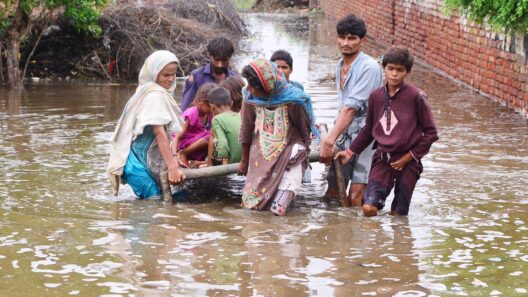
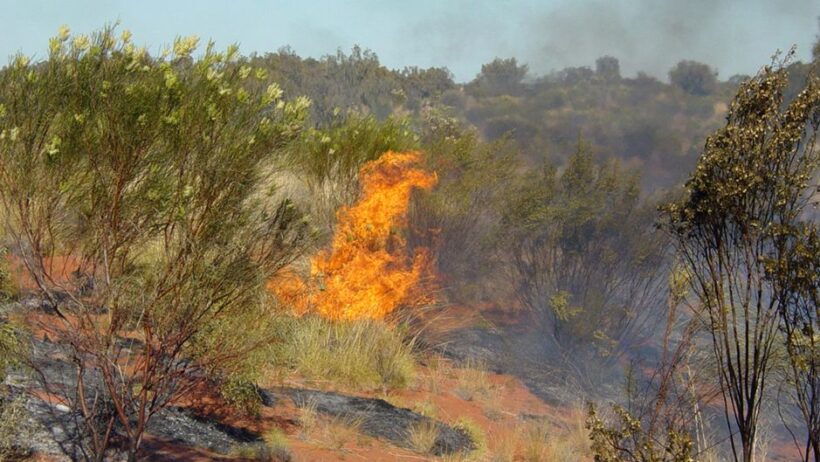
In addition to direct impacts on species, climate change accelerates habitat destruction through increasing natural disasters. Wildfires, hurricanes, and floods are becoming more frequent and intense, wreaking havoc on established ecosystems. For example, the devastating wildfires across California have obliterated vast stretches of forest, obliterating the homes of numerous species, including the iconic California condor. These birds, already endangered due to habitat loss and poisoning from lead ammunition, now face another existential threat as their environments are literally burned to the ground.
Climate change does not merely threaten individual species; it sets off a chain reaction within ecosystems. Take coral reefs, which serve as habitat for a staggering diversity of marine life. As temperatures rise, coral bleaching occurs, leading to the degradation of these crucial underwater ecosystems. The loss of coral reefs has cascading effects on marine biodiversity, destabilizing food chains and livelihoods. Coastal communities that depend on healthy reefs for fishing and tourism are now grappling with economic insecurity as their marine resources dwindle.
Add to this the ever-pressing issue of invasive species. Warmer temperatures and shifting weather patterns create opportunities for non-native species to invade. These invaders often outcompete native flora and fauna, further exacerbating the decline of already vulnerable wildlife. In Florida, the Burmese python has decimated populations of native mammals, threatening the balance of the Everglades ecosystem. Similarly, the spread of European starlings across North America has had detrimental impacts on local bird populations, as these intruders occupy niches that belong to indigenous species.
A particularly vexing question developers, conservationists, and policymakers must contend with is: How do we reconcile human development with the need to preserve wildlife? Urban areas are rapidly expanding, and with that growth comes increased habitat fragmentation. Roads and infrastructure dissect wildlife corridors, making it increasingly challenging for species to migrate and communicate with one another. The solution lies in creating wildlife corridors—designated areas that allow animals to safely traverse human-dominated landscapes. However, such initiatives require a substantial commitment from various stakeholders, and success hinges on cooperative efforts between federal, state, and local governments.
Nevertheless, there is hope amid the adversity. The enactment of conservation measures like the Endangered Species Act has provided critical protections for threatened species. Furthermore, grassroots movements advocating for sustainable practices are gaining traction, inspiring communities to take charge of conservation efforts in their own backyards. Programs that promote reforestation, habitat restoration, and artificial reef construction are emerging, demonstrating that positive action can yield tangible results.
Ultimately, the question remains: Are we willing to take action in time to save the wildlife that shares our planet? Local interventions, such as community-led ecological restoration projects, can create pathways for resilience. Individual actions, from reducing carbon footprints to supporting sustainable practices, collectively contribute to a larger movement towards ecological preservation. However, urgency is paramount; the window for meaningful intervention is rapidly closing.
Cumulatively, the impacts of climate change on wildlife are daunting, yet the power to instigate change lies within our reach. By fostering awareness, advocating for policy reform, and bolstering community engagement, we can collectively work towards a future where wildlife not only survives but thrives. The fate of our biodiversity depends on our ability to respond decisively and compassionately to the challenges posed by a warming world.