

Have you ever wondered what happens to a water drop after it rains? Where does it go? The journey of water on our planet is part of a fascinating system called the hydrologic cycle, or water cycle. But did you know that climate change is influencing this cycle in surprising ways? Let’s dive into the depths of the hydrologic cycle and explore how global warming is changing the way water moves around our planet.
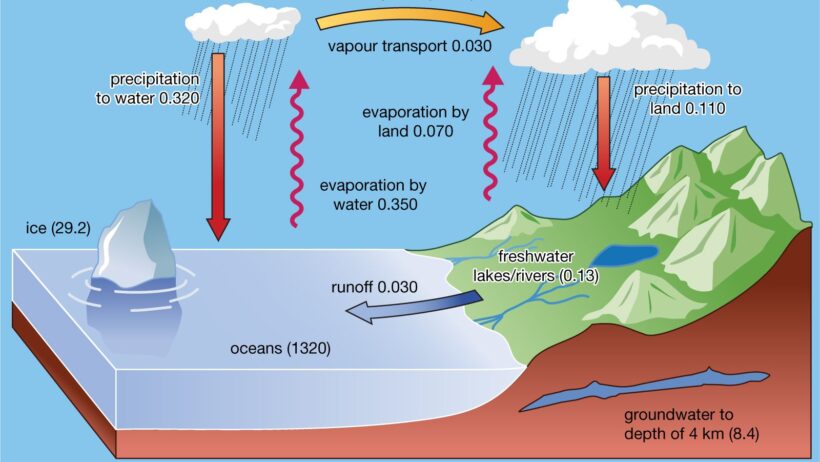
The hydrologic cycle consists of several stages: evaporation, condensation, precipitation, infiltration, and runoff. It all starts when the sun warms the oceans, lakes, and even rivers. This energy causes water to evaporate, transforming it from a liquid into an invisible gas called water vapor. Imagine a water drop dancing into the air, light as a feather, twirling up towards the clouds!
Once the water vapor rises into the atmosphere, it cools down and condenses into tiny droplets, forming clouds. This is condensation, and it’s like the water drop folding itself up in a cozy blanket. Clouds can be fluffy or dark, but either way, they hold the promise of rain. As more and more droplets join together, they become heavier. Eventually, they can no longer stay aloft, leading to precipitation—rain, snow, sleet, or hail. What comes next? Groundwater! Some of this water seeps into the ground, replenishing aquifers, while the rest flows across the surface, heading toward rivers, lakes, and oceans.
Isn’t it amazing to think about how water is constantly on the move? However, global warming—a result of human activities like burning fossil fuels—is having a significant impact on this cycle. Let’s take a closer look at some of the changes occurring and consider a playful challenge: How might our everyday actions influence the water cycle’s dance?
First, let’s talk about evaporation. As the planet warms, more water evaporates from bodies of water. This escalation can lead to an increase in humid conditions in some areas, resulting in heavier rainfall and more intense storms. Imagine a giant sponge soaking up water—when it’s too full, the water spills over! This creates the potential for flooding in regions that may not have experienced such extreme weather before.
Secondly, the distribution of precipitation is affected by climate change. Some places are becoming wetter, while others are facing drought. Regions that once enjoyed a steady supply of rain may now experience irregular patterns, leading to food shortages and water scarcity. How can we adapt to such challenges? By conserving water, using it wisely, and encouraging others to do the same!
Another incredible aspect to consider is the melting of glaciers and ice caps. As temperatures rise, ice melts at an alarming rate, contributing to rising sea levels. This has a pronounced effect on coastal communities, posing a significant threat. Water is not only a mover; it is also a force that shapes our environment. How can we ensure that we protect these vital ecosystems? Learning about them and advocating for their conservation is one way to help.
Here’s a fun challenge: Think about your daily habits. Do you use water swiftly while showering? Do you leave the tap running unnecessarily? Little actions like being mindful of water usage can add up, contributing to a healthier water cycle. It’s like the ripples from a pebble thrown into a pond—each small wave creates a larger impact!
As we work together toward solutions, we must also consider the role of technology and innovation. Scientists are exploring sustainable practices, such as rainwater harvesting and gray water recycling. These methods help preserve water and ensure a consistent supply, even when rainfall becomes erratic. By incorporating savvy water management techniques, we can adapt the water cycle and create resilience against the impacts of climate change.
Education plays a vital role too. Understanding the hydrologic cycle empowers individuals and communities to make informed decisions. Schools and environmental organizations can educate children and adults about the importance of water conservation, leading to long-lasting change and stewardship of our precious resources. The more you learn, the more you can help!
Water is life. It sees no boundaries. It quenches our thirst, hydrates our crops, and nourishes the ecosystems that help sustain our planet. As guardians of Earth, we have a responsibility to care for this essential resource. Each small change we implement can lead to a larger ripple effect, influencing the hydrologic cycle for future generations.
In summary, climate change is undeniably reshaping the hydrologic cycle, impacting everything from evaporation rates to precipitation patterns. By understanding how water moves, we can participate in its protection. Are you ready to take on the challenge? Start small: conserve water, share knowledge, and be part of the solution! Together, we can ensure that the dance of water continues gracefully, sustaining our planet for years to come.