


Water’s Way: How Oceans and Freshwater Shape Global Climate
Water, the lifeblood of our planet, acts as a silent yet formidable architect of climate systems. As we ponder the question, “How does the intricate dance of oceans and freshwater influence our global climate?” we uncover a tapestry of interconnected phenomena. From the rhythmic ebb and flow of tides to the subtler movements of freshwater rivers and lakes, these bodies of water sculpt not only the physical landscape but also the environmental conditions essential for life.
The oceans cover over 70% of the Earth’s surface and are often referred to as the planet’s “climate engine.” They absorb approximately 30% of carbon dioxide emissions from human activities and act as a buffer against climate change by regulating temperature and weather patterns. Through the process of oceanic circulation, warm waters are transported from the equator towards the poles while cold water flows from the poles back towards the equator. This thermohaline circulation, often termed the “global conveyor belt,” is critical for distributing heat across the globe, maintaining climatic stability.
Now, ponder this: What might happen if this vital conveyor belt were to slow down or even stop? Such a scenario, theorized by climate scientists, could lead to drastic alterations in weather patterns, including severe winters in Europe and an increase in tropical storm intensity in other regions. The North Atlantic Meridional Overturning Circulation (AMOC), a component of this system, has already shown signs of weakening, an alarming signal of the changes undergoing our climate.
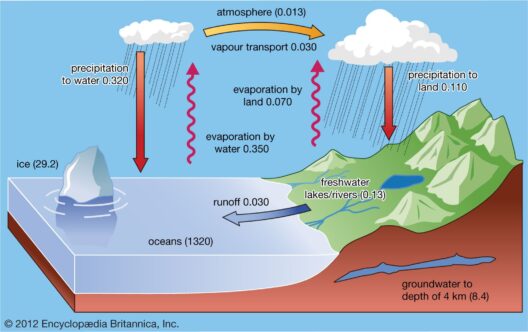
Freshwater bodies—rivers, lakes, and wetlands—equally contribute to our climate narrative. These ecosystems, while covering a modest percentage of the Earth’s surface compared to oceans, support a high level of biodiversity and help regulate local climates. Freshwater plays an essential role in thermoregulation; for instance, during the summer months, lakes act as significant heat sinks, absorbing solar energy and subsequently releasing it slowly, thereby maintaining moderate temperatures. Conversely, they can contribute to localized weather phenomena, such as increased precipitation in surrounding areas.
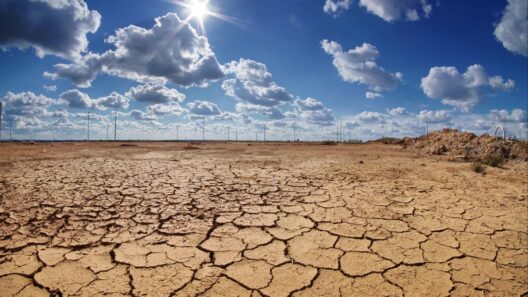
Moreover, rivers serve as critical lifelines for ecosystems and human civilizations alike. They facilitate transportation, support agriculture, and provide habitats for countless species. However, the health of our rivers is at substantial risk due to pollution, damming, diversion, and climate change. Reduced water flow can lead to higher water temperatures, impacting aquatic life and altering ecosystems dramatically. The changing climate further threatens the delicate balance of these waterways, leading to droughts in some regions and flooding in others.
A critical consideration within this dialogue is the undeniable connection between water and climate justice. Communities worldwide, especially marginalized ones, often bear the brunt of water-related climate impacts, including droughts, floods, and declining water quality. Access to clean drinking water—a fundamental human right—is compromised in these contexts, creating socio-economic challenges that can hinder resilience efforts against climate change. Hence, how do we navigate the complexities of equitable water distribution while confronting the climate crisis?
One potential challenge emerges: our reliance on water-centric economies can lead to unsustainable practices like excessive water extraction and pollution. As we delve deeper into the water’s way, the repercussions of our actions become clearer. For instance, agricultural runoff laden with fertilizers and pesticides not only contaminates freshwater reserves but also contributes to oceanic dead zones, regions where oxygen levels are too low to support most marine life. This interconnectivity underscores the urgent necessity to adopt sustainable water management practices that consider both local and global implications.
Furthermore, as climate change continues to warm the planet, rising sea levels and ocean acidification represent cascading threats to marine biodiversity and coastal communities. Coastal ecosystems, including mangroves and coral reefs, serve as natural barriers that protect shorelines from storm surges and erosion. However, the degradation of these ecosystems—a byproduct of rising temperatures, increased pollution, and habitat destruction—intensifies the vulnerability of coastal areas. Without significant action to mitigate these effects, entire communities may face displacement, further entrenching climate-related injustices.
The intersection of ocean health and climate also presents a paradoxical opportunity. As we transition towards renewable energy, offshore wind farms, and wave energy systems emerge as innovative solutions that harness the ocean’s power while minimizing carbon footprints. Sustainable fishing practices can help restore fish populations and contribute to ocean resilience, emphasizing the need for stewardship of these vital resources. By promoting policies that prioritize ocean conservation alongside sustainable freshwater management, we can foster a harmonious relationship between humanity and the natural world.
In conclusion, the narrative of water—both oceans and freshwater—is woven into the very fabric of our climate systems. The health of our planet hinges upon our understanding of these vital resources and our commitment to preserving them. As challenges continue to mount, the onus falls upon us to embrace sustainable practices, advocate for equitable water management, and prioritize the protection of our ecosystems. Only through a collective effort can we hope to navigate the complexities of climate change and ensure that water’s way remains a path toward healing rather than devastation. The time to act is now, for our oceans and freshwater are not just resources; they are the essence of life itself. Will we rise to the challenge?