


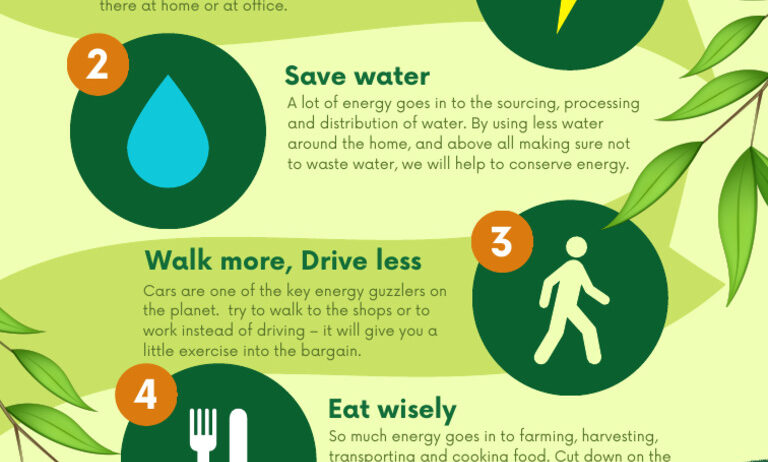

In a world where the relentless hum of machinery and the fluorescent glow of devices envelop our daily lives, the quest for energy conservation emerges not merely as a choice but as an imperative. It is akin to a gardener tending to their plants, knowing that nurturing each leaf and petal rewards the earth with sustainability. Each small action compounds, much like a whisper that gathers into a resounding chorus. Thus, embracing simple daily habits can transform our relationship with energy, helping mitigate the environmental impact that looms large over our future.
1. Embrace Natural Light
Natural sunlight is the golden elixir of energy conservation. By simply drawing back the curtains and allowing sunlight to fill spaces, households can dramatically reduce their reliance on artificial lighting. Imagine each ray of light as a tiny energy-saving ambassador bathing the room in warmth. During the day, keep lighting use to a minimum; this habit not only conserves energy but also uplifts the spirit, creating an invigorating atmosphere. Moreover, choosing to work and read near windows can enhance productivity while naturally illuminating the workspace.
2. Unplug Appliances
Even when not in usage, electronic devices often draw power in a phenomenon known as phantom load. Each idle charger or plugged-in appliance can be likened to a dripping faucet—every drop adds up over time. Unplugging devices when they are not in use is a simple yet profoundly impactful habit. Establishing a designated charging station that you can easily access will further encourage this practice, slashing unnecessary power consumption and promoting mindfulness toward energy use.
3. Optimize Heating and Cooling
Heating and cooling account for a significant proportion of energy consumption in homes. Picture your home as a living organism, where efficient temperature control helps maintain body heat. Simple adjustments can lead to considerable savings. For instance, setting your thermostat a few degrees lower in winter and higher in summer invokes a symbiotic relationship between comfort and conservation. Additionally, investing in quality insulation acts like a protective layer, ultimately fostering sustainable temperature regulation.
4. Utilize Energy-Efficient Appliances
Making intentional choices in purchasing appliances parallels selecting tools for a craftsman. Energy-efficient models, marked by ENERGY STAR ratings, are designed to minimize energy use without sacrificing performance. By investing in these advanced technologies, households can reduce their energy footprint significantly. This shift may feel like a larger initial investment, yet over time, each appliance will yield savings that cascade like a waterfall, contributing positively to both finances and the environment.
5. Rethink Water Usage
Water heating is a largely overlooked component of energy consumption. Picture your water heater as a reservoir overflowing with energy use; managing this resource effectively is crucial. A simple habit of taking shorter showers, fixing leaks, and installing low-flow fixtures is akin to tending to a garden—sustaining the flow while nurturing resource efficiency. Furthermore, washing clothes in cold water rather than hot can yield significant energy savings, protecting both water and electric bills.
6. Practice Mindful Transportation
The advent of the automobile has revolutionized our mobility, yet it has also accelerated energy consumption to alarming rates. Rethinking our modes of transportation disrupts the status quo. Carpooling, biking, walking, or using public transport are not merely practical actions, they are seeds sown toward a greener future. Consider this: each shared ride is like synchronizing a symphony—many voices uniting to create harmonious movement while conserving precious fuel sources.
7. Implement Smart Home Technology
Advancements in smart technology serve as a beacon of innovation in energy management; they are the architects of efficiency. Smart thermostats, energy monitoring systems, and smart lighting can be programmed to operate only when necessary. These tools, much like a finely tuned orchestra, ensure every component functions in harmony, optimizing energy consumption based on real-time needs. Such intentional integration transforms passive energy use into proactive conservation.
8. Reduce Waste
Waste reduction and energy conservation are interconnected threads woven into the fabric of sustainability. Each consumption choice—be it food, clothing, or gadgets—carries an inherent energy cost from production to disposal. By adopting a minimalist mindset and choosing quality over quantity, individuals cultivate a more thoughtful relationship with their resources. Embracing recycling and composting further amplifies this impact, returning nutrients to the earth while dramatically reducing landfill energy consumption.
9. Switch to Renewable Energy
As our reliance on fossil fuels continues to reveal itself as a precarious path, shifting toward renewable energy resources offers a promising alternative. Solar panels and wind turbines symbolize not only innovation but also responsibility toward future generations. Opting for green energy where possible engenders a transformative shift in personal energy consumption, fostering a collective transition toward a more sustainable world—much like a river carving a new path through the landscape.
10. Educate and Advocate
Finally, sharing knowledge about energy conservation amplifies its impact exponentially. Just as a single candle lights the dark, spreading awareness encourages others to adopt energy-saving habits. Engaging with community initiatives, participating in local sustainability efforts, and discussing energy use with friends and family creates a ripple effect that fosters a culture of conservation. Education serves as the bedrock upon which lasting change is established, bridging the current with a sustainable future.
Energy conservation is not merely an act; it is a lifestyle, an ethos that extends beyond individual actions. Each daily habit we adopt contributes to the larger tapestry of environmental stewardship, inspiring generations to come. In this collective journey, let us wield the tools of efficiency, mindfulness, and education to forge a future where energy conservation is both a personal responsibility and a shared commitment.