


Europe’s diverse geography and intricate climatic patterns create a mosaic of unique climate regions, each with its own distinctive environmental characteristics. Understanding these regions is pivotal not only for climatologists and environmental scientists but also for policymakers and residents alike. This guide provides a comprehensive overview of the primary climate regions found across the continent, elucidating their definitions, features, and implications for ecosystems and human activities.
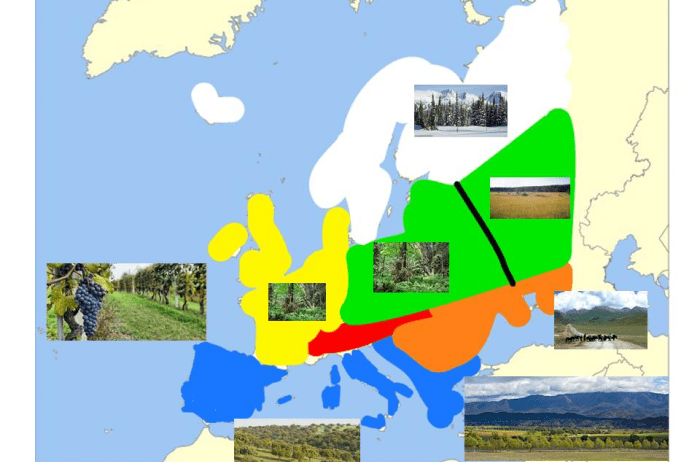
At the core of Europe’s climatic variability are five principal climate zones: the Oceanic Climate, the Continental Climate, the Mediterranean Climate, the Subarctic Climate, and the Highland Climate. Each of these regions presents a unique atmospheric foundation that profoundly influences weather patterns, agriculture, and biodiversity.
Oceanic Climate
The Oceanic Climate, primarily found along the western fringes of Europe, is characterized by mild temperatures and ample precipitation throughout the year. This climate is largely influenced by the North Atlantic Drift, a warm ocean current that mitigates extreme temperatures. Countries like the United Kingdom, Ireland, and parts of France and Spain experience this maritime climate, where summers are moderate and winters are relatively mild.
Typical precipitation in regions with an Oceanic Climate ranges from 800 to 3,000 millimeters annually, often resulting in lush green landscapes. The abundant rainfall supports various flora, contributing to the verdant pastures and temperate forests characteristic of the area. However, this climate also poses challenges, such as increased risk of flooding and soil erosion, particularly when seasonal storms occur.
Continental Climate
Transitioning inward from the oceanic regions, one encounters the Continental Climate, which is predominant in central and eastern Europe. This climate is characterized by more pronounced seasonal variations, with hot summers and cold winters. Countries such as Germany, Poland, and Hungary experience this type of climate.
Temperature fluctuations can be extreme. During summer, temperatures may soar above 30°C, while winter can bring frigid conditions, plummeting to -20°C or lower in some areas. The annual precipitation is moderate, typically ranging from 500 to 1,200 millimeters, peaking in summer. These conditions foster a diverse array of ecosystems, from deciduous forests to temperate grasslands. However, the volatility of the weather can create challenges for agriculture, necessitating adaptations to crop management and cultivation practices.
Mediterranean Climate
The Mediterranean Climate, emblematic of Southern Europe, features hot, dry summers and mild, wet winters. This climate type is particularly prevalent in countries such as Spain, Italy, and Greece, where the interplay of the Mediterranean Sea further modulates temperature and precipitation patterns.
In these regions, summer temperatures frequently exceed 30°C, while winter temperatures typically hover around 10-15°C. Precipitation is concentrated in the winter months, often exceeding 600 millimeters, with prolonged dry periods in the summer. These climatic conditions lead to the proliferation of unique ecosystems, notably the Mediterranean scrub forests, which are home to a wide diversity of plant and animal species. The economic implications of this climate are significant, as agriculture—especially the cultivation of olives, grapes, and citrus fruits—thrives under these conditions. However, the increasing frequency of droughts due to climate change poses risks to water supply and agricultural productivity in the region.
Subarctic Climate
As one ventures further north, the climatic conditions shift dramatically to the Subarctic Climate. This region is characterized by long, frigid winters and brief, cool summers, with short growing seasons that can substantially restrict agricultural activities. Countries such as Norway, Sweden, and Finland experience this climate type.
Temperatures in the winter can drop below -30°C, while summer highs may reach a moderate 20°C. Precipitation is relatively low, generally averaging between 400 to 600 millimeters annually, often falling as snow during the long winters. The subarctic ecosystems are uniquely adapted to the harsh conditions, featuring coniferous forests and a plethora of wildlife that thrive in these cold environments. The slowing of seasonal cycles due to climate change has profound implications for the biodiversity and traditional livelihoods of communities in this region, demanding urgent attention to environmental conservation.
Highland Climate
Wrapping up the climatic diversity in Europe is the Highland Climate, which exists in mountainous regions, such as the Alps and the Pyrenees. This climate is determined by altitude and features significant variations in both temperature and precipitation within short distances. Highland climates typically exhibit cooler temperatures and increased precipitation, often falling as snow at higher elevations.
The geographical diversity led to various microclimates, encompassing everything from temperate rainforests to alpine tundra. The distinct climatic conditions foster unique ecosystems, often resulting in high levels of biodiversity, including endemic species that are not found elsewhere. However, these delicate ecosystems are under threat from climate changes, such as glacial retreat and shifting weather patterns, which could erode the natural balance, impacting both wildlife and local human populations.
In conclusion, Europe’s climate regions intricately weave together a tapestry of environmental conditions that influence not only the natural world but also human life. Understanding these diverse climates is vital for fostering sustainable practices and policies that address the challenges posed by climate change. As the effects of global warming become more pronounced, acknowledging and adapting to these regional differences will be essential for the future health of both the planet and its inhabitants.