


Climate change, a critical challenge of our era, is predominantly driven by human activities, but there is a complex tapestry of natural processes at play as well. Understanding climate change necessitates an exploration of its catalysts, which can be broadly categorized into anthropogenic (human-induced) and natural factors.
At the heart of the climate change narrative is the greenhouse effect, a fundamental scientific principle. Greenhouse gases (GHGs) such as carbon dioxide (CO2), methane (CH4), and nitrous oxide (N2O) are pivotal in regulating Earth’s temperature. Under normal circumstances, these gases absorb and re-radiate infrared radiation, keeping the planet warm enough to sustain life. However, human activities, particularly since the Industrial Revolution, have significantly augmented the concentrations of these gases in the atmosphere.
One of the primary culprits is the combustion of fossil fuels—coal, oil, and natural gas—which releases vast amounts of CO2. This process is integral to electricity generation, heating, and transportation. Aeronautics, shipping, and automobile use exacerbate the issue as well. The energy sector alone accounts for a significant share of global emissions, reflected in the rising carbon footprint attributed to industrialization. Moreover, unplugged energy sources and inefficient practices amplify this extensive carbon release, prompting an urgent re-evaluation of energy usage across the globe.
Deforestation, another severe human activity, serves as a double-edged sword in the climate change equation. Trees play a vital role in carbon sequestration, absorbing CO2 during photosynthesis. When forests are cleared for agriculture, urban development, or logging, the stored carbon is released back into the atmosphere, intensifying the greenhouse effect. This is especially apparent in tropical regions where biodiversity hotspots are lost, leading not only to carbon emissions but also a decrease in species that could offer resilience against climate impacts.
Agricultural practices contribute significantly to climate change, particularly through the emission of methane and nitrous oxide. Rice paddies, for instance, are major sources of methane emissions as waterlogged conditions foster anaerobic decomposition of organic matter. Livestock farming is another significant contributor, with enteric fermentation in ruminants producing methane as a byproduct of digestion. Additionally, fertilizers containing nitrogen increase nitrous oxide emissions when they break down in soil. Sustainable agricultural methods, therefore, have become increasingly critical in addressing climate impact from the agriculture sector.
The interplay of climate change is further compounded by urbanization—a defining feature of modern civilization. As cities expand, impervious surfaces prevent natural processes of infiltration and evaporation, leading to localized temperature increases, a phenomenon referred to as the urban heat island effect. Moreover, the insatiable thirst for energy and resources in cities leads to excessive emissions, thereby perpetuating a cycle of degradation. Urban planning initiatives that prioritize green spaces and efficient energy use will be essential for mitigating these effects.
Natural processes also play a salient role in climate variability. Solar radiation is a principal factor influencing Earth’s climate. For instance, variations in solar output can lead to periods of warming or cooling. The Milankovitch cycles, which describe the Earth’s long-term orbital changes, can alter the distribution and intensity of sunlight received. These natural phenomena can influence climate over millennia, yet their effects are dwarfed by the rapid changes induced by human activity in recent history.
Another noteworthy aspect is the role of volcanic eruptions. These geological events can inject vast amounts of ash and sulfur dioxide into the atmosphere, leading to short-term cooling periods by reflecting sunlight. Historically, such eruptions have caused significant climate anomalies; however, their occurrence is sporadic and cannot be relied upon to mitigate human-induced climate change.
Oceanic and atmospheric systems are intrinsically linked to climate dynamics. Ocean currents, influenced by wind patterns and Earth’s rotation, regulate temperatures and weather patterns. For instance, phenomena such as El Niño and La Niña demonstrate how oceanic temperature anomalies can influence weather systems worldwide. The oceans themselves act as a carbon sink, absorbing approximately a quarter of anthropogenic CO2 emissions. However, rising temperatures have led to ocean acidification, which poses a dire threat to marine ecosystems and, ultimately, climate regulation as well.
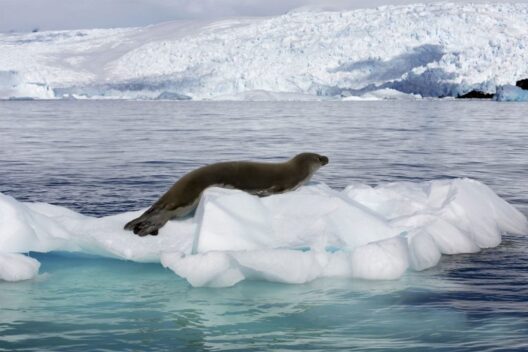
As the planet warms, the feedback loops created by melting ice caps and glaciers, particularly in polar regions, further exacerbate climate change. The loss of reflective surfaces reduces the Earth’s albedo effect, allowing more solar energy to be absorbed and, in turn, amplifying warming. This not only threatens biodiversity but also endangers communities reliant on glacial runoff for freshwater resources.
In conclusion, the causes of climate change extend from human actions to natural phenomena, creating a complex and interwoven landscape of factors. It is vital for communities, policymakers, and individuals to comprehend these dynamics in order to devise effective strategies to combat climate change. Strategies including transitioning to renewable energy sources, implementing sustainable agricultural practices, conserving forests, and improving urban planning can collectively mitigate climate change’s pervasive threats. By addressing these root causes, it is possible to forge a sustainable path forward, preserving the planet for future generations while fostering a more resilient ecosystem.