


When contemplating the fabric of our planet, one often thinks of tangible elements: the majestic trees, the vast oceans, and the serene mountains. Yet beneath these visible features lies a web of invisible forces that orchestrate the delicate balance of our climate. These forces wield power that transcends the sum of their individual parts, creating an intricate interplay that ultimately defines the environment in which we exist. Understanding these climate controls requires a shift in perspective—one that piques curiosity and unveils the subtle, yet profound, influences at play.
1. The Sun: The Ultimate Catalyst
At the very core of Earth’s climate system is the Sun, a colossal nuclear furnace radiating energy. This solar energy is not merely light; it manifests as heat that defines our atmospheric conditions. The Sun’s rays are absorbed by the atmosphere, hydrosphere, and lithosphere, influencing temperature variations and driving atmospheric circulation. Differences in solar heating across the globe give rise to diverse weather patterns and climate zones, impacting everything from long-term climatic shifts to daily weather phenomena.
The distribution of this solar energy is not uniform. Factors such as latitude, season, and atmospheric conditions create an intricate mosaic of climate realities. For instance, equatorial regions bask in near-constant sunlight, contributing to their tropical climates, whereas polar regions receive only limited solar input, leading to their frigid environments.
2. The Atmosphere: The Invisible Shield
The atmosphere, composed predominantly of nitrogen and oxygen, is more than just a container for air; it is a complex layer that acts as a protective mantle, regulating temperature and distributing heat. Within this invisible shield lie various gases, including greenhouse gases such as carbon dioxide and methane, which trap heat and play a pivotal role in the greenhouse effect.
However, this natural phenomenon has been exacerbated by anthropogenic activities such as deforestation, fossil fuel combustion, and industrial processes, leading to an alarming increase in atmospheric carbon levels. This human-induced factor accelerates climate change, thereby altering precipitation patterns, sea levels, and the frequency of extreme weather events. As such, the atmosphere exemplifies the fragility of our climate control systems, illustrating the profound impact of human interaction with natural processes.
3. Ocean Currents: The Great Conveyor Belt
Beneath the surface of our oceans lies a massive engine driving global climate: ocean currents. These powerful undercurrents, both warm and cold, move vast quantities of water across the planet, functioning as a conveyor belt of heat. They regulate climate by redistributing heat from the equator to the poles, influencing regional climates and even weather patterns far inland.
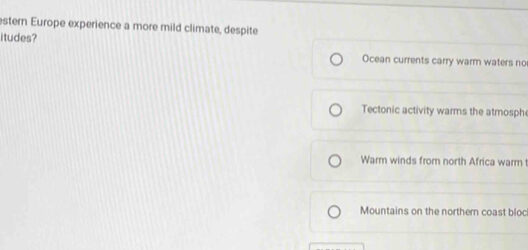
Take, for example, the Gulf Stream, which transports warm water from the Caribbean toward the North Atlantic. This current not only moderates temperatures in Western Europe, making them milder than other regions at similar latitudes, but also affects atmospheric conditions that govern weather patterns worldwide. Disruptions to these currents due to melting polar ice caps and climate change can catalyze disastrous repercussions, fundamentally altering the fabric of life on Earth.
4. Biosphere Interactions: The Ties That Bind
The biosphere—the sum of all ecosystems—plays a critical role in climate control, acting as both a contributor to and a mitigator of climate change. Through photosynthesis, vegetation absorbs carbon dioxide and releases oxygen, effectively regulating atmospheric composition. Forests, in particular, serve as carbon sinks, sequestering vast amounts of CO2 and mitigating the greenhouse effect.
However, human activities such as deforestation and land-use change disrupt this equilibrium. The loss of forests not only releases stored carbon back into the atmosphere but also diminishes the Earth’s capacity to absorb future emissions. Furthermore, the intricate relationships within ecosystems mean that loss of one species can trigger a cascade of effects, destabilizing the delicate balance that sustains life.
5. The Geosphere: The Earth’s Framework
The geosphere encompasses the solid parts of our planet—the rocks, minerals, and soils that form the foundation of terrestrial environments. It is a key player in climate regulation through processes such as volcanic activity and tectonic movements, which can influence atmospheric conditions over geological timescales.
Volcanic eruptions, for instance, inject ash and gases into the atmosphere, temporarily cooling the Earth’s surface by blocking sunlight. Conversely, the release of greenhouse gases from volcanic activity can contribute to warming. These geophysical phenomena remind us that climate controls extend beyond mere surface interactions, anchoring our understanding in the interactions between Earth’s layers.
6. Anthropogenic Impacts: The Human Dimension
The interplay between these natural forces and human activity introduces an additional layer of complexity. Climate change, driven by industrialization and unabated consumption of resources, poses existential threats and prompts urgent calls for action. The increase in global temperatures, rising sea levels, and intensified weather events are tangible manifestations of our collective footprint on the planet.
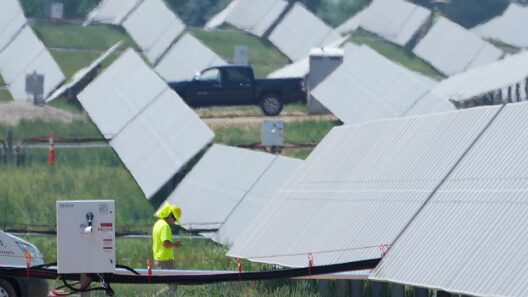
Yet, amid these challenges lie opportunities for innovation and resilience. The adoption of renewable energy sources, reforestation efforts, and sustainable agriculture can mitigate some of the adverse effects and foster a harmonious relationship with our environment. Recognizing that we are integral to the climate system may inspire a collective commitment to stewardship.
Conclusion: A Call for Awareness
In contemplating what climate controls our planet, we unveil a tapestry woven with interconnected forces that are both visible and invisible. The delicate balance maintained by the Sun, atmosphere, oceans, biosphere, and geosphere illustrates the complexity of our climate system. As we navigate through the 21st century, awareness of these invisible forces can serve not just as a warning but as an invitation to engage with our environment responsibly. Our future depends on understanding the impacts of our actions and embracing our role in the greater ecological narrative.