


The climate of Germany is a topic that elicits both curiosity and concern among scientists, policymakers, and the general public alike. It is characterized by its mildness, moody fluctuations, and alarming changes that are increasingly evident as climate change accelerates. This article aims to explore these dimensions, delving into the intricacies of Germany’s climate system and the factors influencing its current trends.
Germany’s geographical location plays a pivotal role in shaping its climate. Situated in Central Europe, Germany is flanked by the North Sea to the northwest and the Alps to the southeast. This geographical positioning creates a heterogeneous climate, which can be broadly classified as temperate seasonal. The country experiences four distinct seasons—spring, summer, autumn, and winter—each bringing its own unique meteorological phenomena.
The average annual temperature in Germany typically ranges from about 8°C to 12°C (46°F to 54°F), but this can vary significantly across different regions. Coastal areas tend to experience milder winters and cooler summers, influenced by the North Atlantic Drift, while the southern regions, particularly in Bavaria, can witness more extreme temperatures, both hot and cold. The variability in temperature is one reason why people often find Germany’s climate so enigmatic.
One observation that stands out is the unpredictability of weather patterns in Germany. While some days may bring serene sunlight, others can morph into tempestuous storms within hours. This moody character of the German climate is largely attributed to its location where continental air masses from the east clash with maritime influences from the west. As a result, the country often finds itself on the frontline of various weather systems, yielding fascinating yet perplexing climate phenomena.
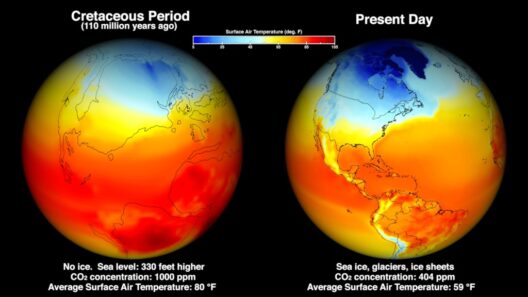
A deeper exploration reveals that the climate’s behavior is also governed by larger-scale climatic shifts, particularly those associated with climate change. The average surface temperature in Germany has risen more significantly than the global average, with increasing heatwaves and prolonged dry spells becoming a common occurrence. These extreme weather events elicit not only environmental challenges but also socio-economic implications. Agricultural yield fluctuations, water shortages, and altered ecosystems are immediate consequences that require urgent addressing.
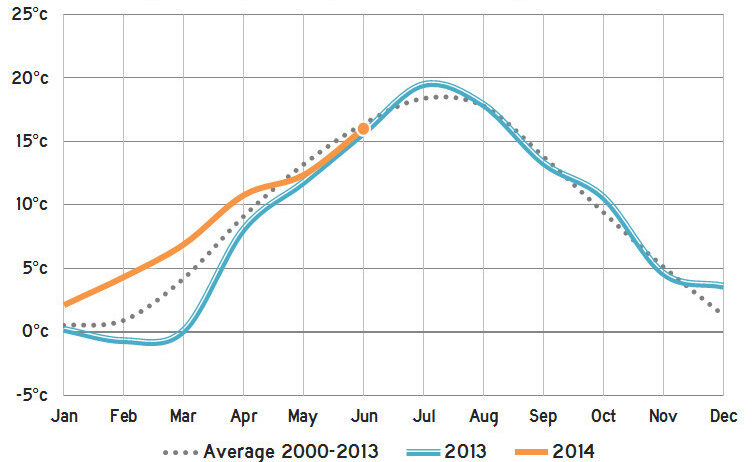
Moreover, the moody nature of Germany’s climate can create a false sense of security regarding seasonal predictability. Winter, once a steadfast assumption of snow and chill, has morphed into a rather capricious affair, with milder winters causing concern among ecosystems dependent on seasonal rhythms. Such deviations prompt recognition of a growing disarray in nature’s balance. The phenomenon of ‘German winters’ has transformed into a captivating intrigue; however, it is not without its shadows, as biodiversity suffers from these climatic whims.
In addition to temperature fluctuations, precipitation patterns also reveal significant changes worth analyzing. Germany is experiencing alterations in rainfall distribution; some areas have become waterlogged, while others suffer from drought. The increasing frequency of extreme precipitation events, such as torrential rain leading to floods, starkly contrasts with the persistent dry spells observed in various southern regions. This duality illustrates the complexity of hydrological systems and stimulates debates about water management and preservation efforts.
Another observation that garners attention is the impact of urbanization on Germany’s climate. As cities expand, they create urban heat islands, elevating local temperatures compared to surrounding areas. This phenomenon further contributes to climate variability and exacerbates challenges such as energy consumption and air quality. Addressing the intersection of urban development and climate resilience has become paramount, prompting initiatives aimed at fostering greener cities equipped to cope with climate-induced adversities.
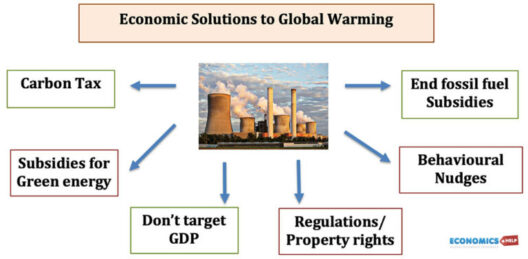
Germany’s commitment to climate action is another compelling aspect of its climatic narrative. As one of the leading nations in renewable energy adoption, Germany has taken significant strides towards mitigating climate change. The Energiewende, or “energy transition” initiative, aims to shift towards sustainable energy sources while reducing reliance on fossil fuels. This endeavor reflects a profound acknowledgment of the urgent need to address climate challenges and embodies a broader, collective responsibility towards environmental stewardship.
However, the road to achieving these climate objectives is fraught with obstacles. Transitioning from conventional energy sources entails socioeconomic adjustments, public acceptance, and technological innovation. The navigation of these complexities reveals the nuanced interplay of policy, societal values, and environmental exigencies. The continuous dialogue surrounding climate policies, conservation efforts, and land use practices underscores the need for integrated solutions as Germany grapples with its climatic realities.
To encapsulate the essence of Germany’s climate is to acknowledge its multifarious nature—mild yet moody, predictable yet changing. The fascination with Germany’s climate stems not only from its immediate weather patterns but also from the broader implications of climate change that are being felt across the globe. Environmental shifts invite both introspection and mobilization as societal facets adapt to this evolving climatic landscape. Ultimately, understanding Germany’s climate is akin to embarking on an ecological journey rife with challenges and opportunities; it prompts inquiries into responsibility, resilience, and the interconnectedness of all living beings with the planet.
In reflection, the complexities of Germany’s climate serve as a microcosm of global climate realities. The need for collaborative strategies and proactive engagement is essential to navigating the unpredictable currents of the climatic seas ahead. As awareness grows and discourse expands, the hope is to foster an informed citizenry that champions sustainability and actively participates in shaping a climate-conscious future.