
Climate is a crucial factor determining the characteristics of different biomes across the globe. One of the most extreme biomes is the tundra, a unique habitat marked by its frigid temperature, limited vegetation, and distinctive seasonal variations. This article delves into the essence of tundra climate, elucidating its features, types, and the ecological impact of climate change on this frigid environment.
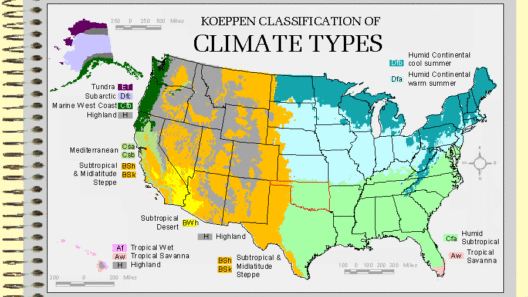
Essentially, tundra refers to a cold, treeless ecosystem that primarily exists in two major areas: the Arctic tundra found in the northern polar regions and the alpine tundra found in high elevations around the world. These regions share a commonality; they boast harsh climates, characterized by short growing seasons, freezing temperatures, and low precipitation. Understanding the climate of the tundra entails examining its temperature patterns, precipitation levels, seasonal changes, and the climatic zones that contribute to its unique ecosystem.
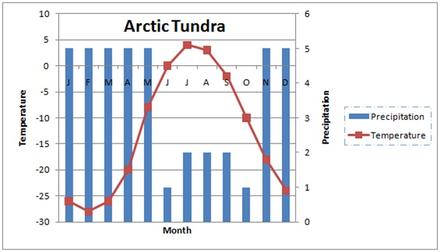
To comprehend the climatic conditions in the tundra, one must first consider its temperature profile. The tundra experiences extremely cold temperatures, which can plummet to -30°F (-34°C) during the winter months. Summers are brief and typically mild, with average temperatures hovering around 37°F to 54°F (3°C to 12°C). The juxtaposition of these extremes creates a remarkable environment where life adapts to survive in less than favorable conditions.
A significant factor influencing the tundra climate is its geographic location. The Arctic tundra, located in regions like Alaska, Canada, and Siberia, is characterized by continuous, permafrost. Permafrost is a layer of permanently frozen subsoil that prohibits the deep rooting of plants, thus restricting vegetation. In contrast, the alpine tundra, situated in mountainous regions, lacks permafrost, allowing for a greater diversity of flora. Nevertheless, both types share their overarching low temperatures and short growing seasons.
Precipitation, though low, plays a fundamental role in shaping the tundra ecosystem. Throughout the year, the tundra receives an average of 6 to 10 inches (15 to 25 cm) of precipitation, primarily during the summer months. This precipitation often falls as rain or snow, depending on the season. The limited moisture is crucial for sustaining the sparse plant life that thrives in such an austere climate. Despite the appearance of being a barren landscape, tundra is home to a fascinating variety of cold-resistant plants, such as mosses, lichens, and small shrubs.
The tundra’s ecosystem functions through a delicate balance between its inhabitants and climatic conditions. Short summer days in the Arctic—often referred to as the “midnight sun”—allow plants to photosynthesize extensively. However, the growing season is still truncated, spanning only 50 to 60 days. During this period, plants must optimally utilize the continuous sunlight, rapidly growing and reproducing before the next cycle of winter ensues. These patterns of growth are intricately tied to climate, illustrating the dependency of life on environmental conditions.
Furthermore, the phenomenon of climate change is significantly impacting tundra regions. As global temperatures rise, the implications become markedly evident. The Arctic tundra is experiencing thawing permafrost, which releases greenhouse gases like methane—trapped in the frozen soil—into the atmosphere. This process exacerbates the climate crisis, leading to a feedback loop that accelerates warming trends. Affected species, both flora and fauna, are struggling to adapt to rapidly changing climates, leading to shifts in biodiversity and ecosystem dynamics.
Tundra ecosystems support a range of wildlife uniquely adapted to cold weather. Species like caribou, arctic foxes, and migratory birds exhibit incredible adaptations, allowing them to thrive in this challenging biome. During the summer, birds flock to the tundra to take advantage of abundant food resources, with many migratory species returning to breed. However, altering climatic conditions threaten their migratory patterns and breeding habits, raising concerns about sustainability and species survival.
The role of indigenous peoples, who have historically inhabited tundra regions, cannot be overstated. They possess invaluable traditional ecological knowledge, having coexisted with the land for millennia. Their lifestyles, traditions, and survival strategies are intricately linked to the tundra’s cyclical climate. As climate change continues to reshape the tundra landscape, it raises ethical questions regarding cultural preservation and sustainability, highlighting the need for inclusive dialogue around conservation efforts.
In conclusion, the tundra is a biome defined by its severe climate, characterized by freezing temperatures, minimal precipitation, and distinct seasonal variations. Its ecosystems are finely tuned to these conditions, supporting unique plant and animal life that has evolved to endure in such extremes. However, as climate change disrupts these delicate ecosystems, it raises critical challenges for biodiversity, indigenous communities, and our collective responsibility towards sustainable environmental stewardship. Understanding the tundra climate is not only paramount for preserving its unique beauty and biodiversity but also for addressing the broader implications of a rapidly changing planet.