

As you step outside, do you ever ponder the enigmatic forces that shape our climate? What manipulates the atmospheric ballet that dances across the sky, bringing forth rain, sun, or tempest? Understanding what controls our climate requires delving into a myriad of natural phenomena that intertwine intricately. This exploration unveils a fascinating interplay of factors ranging from solar radiation, ocean currents, to geological elements. This analysis will shed light on these natural forces while also highlighting the fragility of our climate system.
A primary architect of our climate is the Sun, an enormous ball of gas that plays the role of the principal energy provider for Earth. Sunlight radiates onto our planet’s surface, driving processes that lead to weather and climate patterns. However, not all areas receive this solar energy equally. The tilt of the Earth on its axis results in variations in light intensity and duration, manifesting as seasonal changes. During summer, regions tilted towards the Sun bask in longer daylight hours, while winter graces those tilted away with diminished sunlight and cooler temperatures.
Another natural force is the composition of the atmosphere itself. The Earth’s atmosphere is a complex mixture of gases, primarily nitrogen and oxygen, but also includes greenhouse gases like carbon dioxide and methane. These gases play a pivotal role in trapping heat—an effect known as the greenhouse effect. While essential for maintaining life by keeping our planet warm, an excessive concentration of these gases can lead to global warming. Interestingly, the balance of these gases is influenced by natural processes such as volcanic eruptions, which introduce carbon dioxide and particulates into the atmosphere, affecting temperature and climate for extended periods.
Yet, one might wonder how oceanic phenomena factor into this elaborate equation. The oceans, covering more than 70% of the Earth’s surface, act as a colossal heat reservoir. They absorb solar energy, redistribute it, and influence regional climates through currents. The interplay between ocean currents, such as the Gulf Stream, and atmospheric circulation patterns is essential in determining weather conditions across continents. For instance, warm ocean waters can lead to increased evaporation, fostering humid conditions that contribute to storm formation.
El Niño and La Niña are fascinating phenomena that further exemplify the oceans’ impact. El Niño, characterized by the periodic warming of ocean surface temperatures in the central and eastern tropical Pacific, can lead to significant weather disruptions globally. Conversely, La Niña induces cooler ocean temperatures, often bringing about drier conditions in certain regions. These oscillations disrupt traditional weather patterns and remind us of the delicate balance that governs our climate.
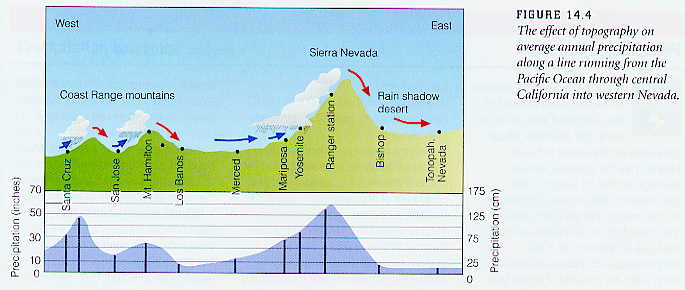
Geological forces, including the arrangement of continents and the movement of tectonic plates, also play a vital role. The shifting of tectonic plates can lead to the formation of mountain ranges, which alter weather patterns significantly. Orographic lifting occurs when moist air ascends over mountains, cooling and condensing to produce precipitation on one side. This results in lush, green landscapes on the windward side and arid conditions on the leeward side—phenomena vividly illustrated through orographic precipitation.
Moreover, biodiversity itself influences climate. Vegetation absorbs carbon dioxide, releases oxygen, and affects local weather patterns through transpiration—the process by which plants release water vapor. Forests, for instance, create microclimates, where temperature and humidity levels differ markedly from surrounding areas. The loss of forests through deforestation can disrupt these processes, intensifying climate extremes and contributing to historical climate trends.
However, as we analyze these natural controls, one cannot ignore the synergy between them and human influences. The challenges posed by anthropogenic activities have exacerbated climate variability. While natural forces generate weather patterns, human-induced emissions of greenhouse gases are significantly altering the climate on a global scale. Ironically, our societal progress is at odds with the health of our planet. As we delve deeper into the intrinsic workings of our climate, one must challenge oneself: How can we harmonize our existence with these natural forces rather than disrupt them?
In conclusion, the forces controlling our climate are multifaceted and interlinked. Sunlight sets the stage, while atmospheric composition and oceanic dynamics contribute to the unfolding drama that is weather. Geological formations and biotic factors weave their narratives into this intricate web, showing us the compelling yet delicate balance of our climate system. The real challenge remains not just in understanding these forces but in adapting our behaviors to mitigate adverse impacts and protect the intricate systems that sustain life on Earth. Moving forward, we must ask ourselves what role we can play in ensuring that these natural forces remain in a state of equilibrium, ultimately leading to a healthier planet for future generations.