

Climate change is often described as one of the most pressing issues of our time, a complex phenomenon driven predominantly by human activity. Understanding what humans do to exacerbate this crisis is essential for instigating transformative shifts in behavior and policy. At the core of this understanding lies the concept of the carbon footprint—the total amount of greenhouse gases, particularly carbon dioxide, that individuals and organizations are responsible for releasing into the atmosphere. By delving into the various facets of human activities that contribute to climate change, we can begin to realize the immense power of our choices.
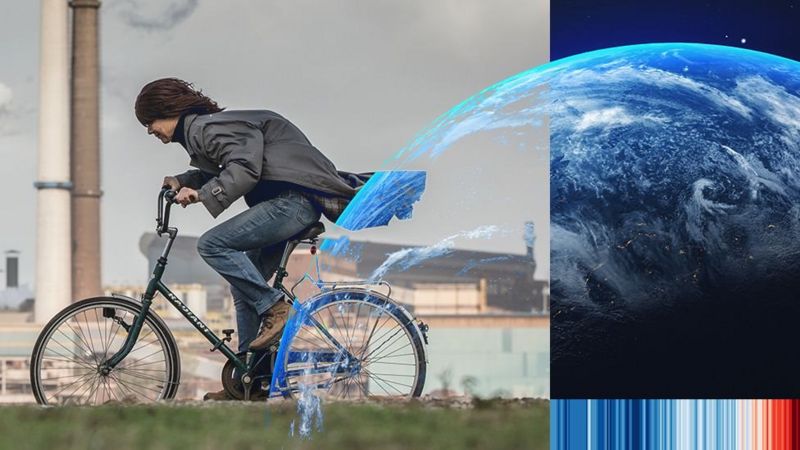
The predominant cause of climate change is the combustion of fossil fuels, which release carbon dioxide (CO2) and other greenhouse gases. This activity permeates everyday life, from the gasoline consumed to power vehicles to the natural gas burned for heating and cooking in homes. The transportation sector, notably, is a significant offender. Cars, trucks, ships, and airplanes collectively account for a large share of global emissions. Each time an individual opts for personal transport over public transit, they create a ripple effect, increasing the concentration of greenhouse gases in the atmosphere.
Moreover, the industrial sector plays a pivotal role in this narrative. Factories that manufacture goods—from electronics to textiles—rely heavily on fossil fuels for energy. The production processes often involve chemical reactions that emit carbon and other pollutants. When considering the scope of global manufacturing, the impact becomes staggering. The demand for consumer products necessitates an unsustainable level of raw material extraction, which often involves deforestation and land degradation, further amplifying emissions.
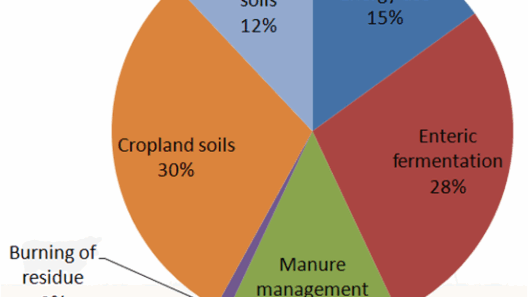
But the implications of human behavior extend beyond transportation and industrial activities. Agriculture, an essential component of human survival, also contributes significantly to climate change. Methane, a potent greenhouse gas with a much higher heat-trapping ability than CO2, is released through livestock digestion and manure management. Additionally, fertilizers used in crop production can contribute to emissions through a process known as nitrification, wherein nitrogen is oxidized in the soil, releasing gases into the atmosphere. The modern agricultural model, which emphasizes monoculture and high-yield varieties, often leads to increased emissions due to the reliance on chemical fertilizers and intensive farming practices.
Waste management, too, is an often-overlooked aspect of our carbon footprint. Landfills are notorious for their contributions to greenhouse gas emissions. When organic waste decomposes anaerobically—without oxygen—it produces methane. The sheer volume of waste generated in modern society, driven by consumption patterns that prioritize convenience over sustainability, exacerbates this issue. Every item that is discarded represents not merely wasted resources but also emissions generated during its production, transportation, and eventual disposal.
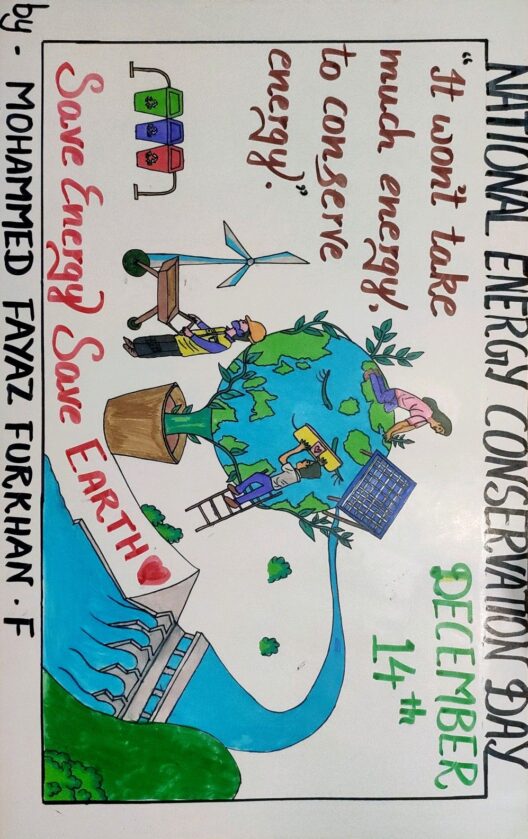
The energy sector, a cornerstone of modern civilization, is another significant contributor to climate change. The burning of coal, oil, and natural gas for electricity and heat has been the lifeblood of industrial development. However, the repercussions are dire. Renewable energy sources like wind, solar, and hydroelectric power offer a promising alternative, yet the transition is often slow due to economic and political inertia. The reliance on coal-fired power plants remains prevalent in many regions, perpetuating a cycle of emissions that climate scientists have warned against for decades.
Housing and building practices also play a critical role in our carbon emissions. From the materials used in construction to the energy required for heating and cooling, residential and commercial buildings are significant sources of greenhouse gas emissions. Poor insulation, outdated heating systems, and reliance on fossil fuel-based power sources further exacerbate the issue. The architectural choices made today will impact not just the immediate environment but the global climate long into the future.
The evolving conversation around climate change also highlights the disparity in carbon footprints across different populations. Developed nations, with higher levels of consumption and industrial activity, typically have larger carbon footprints than developing regions. However, the latter often experience the brunt of climate impacts, despite contributing less to the problem. This inequity raises profound questions about responsibility and justice in addressing climate change.
Furthermore, lifestyle choices are deeply interwoven into the climate discussion. Diets high in animal products, for instance, not only contribute to emissions from livestock but also require extensive land use, water consumption, and feed production, all of which generate carbon footprints. The choices made at the grocery store—what is bought and how much is wasted—have tangible impacts on overall emissions. When individuals adopt more sustainable diets, they embrace a powerful tool against climate change.
Moreover, consumer behavior extends to the fashion industry, electronics, and a myriad of other sectors. The trend of fast fashion epitomizes unsustainable consumerism. Low-quality, disposable garments created through environmentally damaging processes contribute to a colossal carbon footprint. By fostering a culture of consumption that prizes longevity and sustainability, society can begin to reshape its impact on the planet.
In conclusion, the human role in climate change is multifaceted and deeply interconnected with economic systems, cultural practices, and technological advancements. By gaining a deeper understanding of how daily actions culminate in a significant carbon footprint, individuals and societies are better positioned to drive change. Every choice, from transportation to food to waste management, holds the potential to address and mitigate the effects of climate change. reimagining our relationship with the planet necessitates a collaborative shift in perspective—one rooted in awareness, responsibility, and a unified commitment to sustainability. Embracing these principles is not merely an option but an imperative for safeguarding the future of our planet.