


The concept of conservation of energy serves as a cornerstone within the vast edifice of scientific understanding. Like a steadfast guardian, it underpins the principles governing various fields, from physics to environmental science. In essence, conservation of energy asserts that energy cannot be created or destroyed; it can only change from one form to another. This intrinsic robustness of energy echoes the cyclic nature of life itself—a relentless reminder that what we use can be transformed but never obliterated.
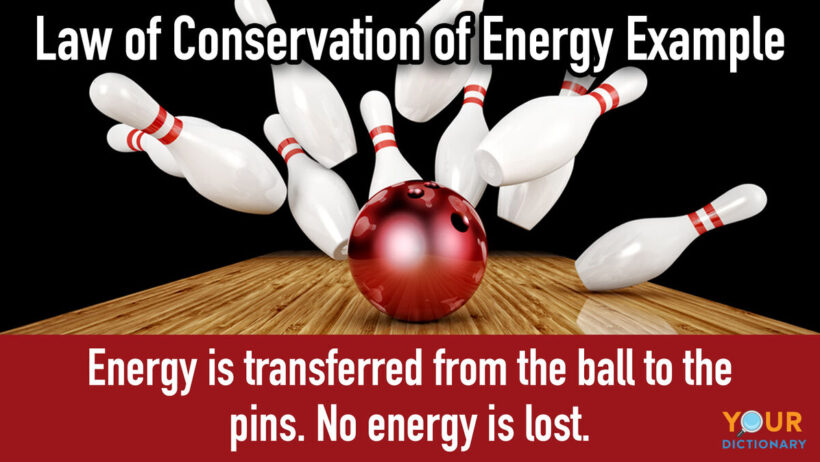
Delving deeper into this notion unveils its profound implications in scientific inquiry. The law of conservation of energy posits that in a closed system, the total energy remains constant over time, despite ongoing transformations. Visualize a grand symphony, where each musician represents a different form of energy—kinetic, potential, thermal, chemical. Each note played is a transformation, yet when the final crescendo fades, the total harmony reflects an equilibrium, akin to energy’s unwavering presence.
This principle can be observed through various examples, illustrating its ubiquitous nature. Consider the simple act of a swinging pendulum. At the apex of its swing, the pendulum boasts maximum potential energy. As it descends, this potential energy metamorphoses into kinetic energy, reaching its zenith just before it switches directions. Herein lies a metaphor for life; we, too, oscillate between potential and kinetic states, our energies forever in motion yet impervious to annihilation.
Examining energy transformation is crucial in numerous scientific applications, including mechanical systems. Take, for instance, a hydropower plant. Water flowing from a reservoir possesses gravitational potential energy. As it cascades down, this energy is converted into kinetic energy, turning turbines that generate electrical energy. This breathtaking alchemy of forms illustrates not only mechanical prowess but also the responsible stewardship of nature’s resources, highlighting the intersection of energy conservation and environmental ethics.
Moreover, the conservation of energy principle extends beyond mechanical systems, infiltrating the highly complex realm of biological systems. Organisms derive energy from their surroundings—plants harness solar energy and convert it into chemical energy through photosynthesis. Animals, in turn, consume these plants or other animals, effectively tapping into this stored energy. The food chain exemplifies a cyclical exchange of energy, reinforcing how interconnected all life forms are within a vibrant ecosystem.
Furthermore, the significance of conserving energy transcends academic curiosity; it is a practical mandate in contemporary society. In an era where the threats of climate change loom large, the imperative to minimize energy waste is palpable. Adopting renewable energy sources not only follows the dictates of energy conservation but also mitigates the adverse impacts of fossil fuel consumption. Wind power, solar panels, and geothermal energy emerge as vanguards of this transformation, emphasizing the need for sustainable practices in everyday life.
The intersection of the conservation of energy with modern technological advancements creates a tapestry of challenges and opportunities. Electric vehicles (EVs) exemplify a transformative shift towards energy efficiency, reducing reliance on traditional fuel sources. As these vehicles harness and convert electrical energy more efficiently, they epitomize a broader movement—the quest for sustainable energy solutions. This analogical renaissance within transportation is akin to rebalancing nature’s scales, ensuring a synergistic coexistence between progress and preservation.
However, despite the advances in technology, there remains an intrinsic responsibility to educate and inspire a culture of energy conservation among individuals and communities. Simple practices, such as turning off lights when not in use or investing in energy-efficient appliances, contribute to significant energy savings at both individual and collective levels. It is a collective dance of humanity, a harmonious choreography where each step taken by individuals has a ripple effect on the broader ecological balance.
Ultimately, understanding the conservation of energy fosters a profound appreciation for the delicate equilibrium upon which our existence relies. As we navigate the complexities of modern life, let us recall that energy flows continuously, traversing pathways both ignited by innovation and inherently rooted in nature’s legacy. Recognizing the interplay of forces at work grants us the power to redefine our future, embracing sustainable practices that safeguard our planet’s vitality.
In conclusion, the conservation of energy emerges not merely as a scientific tenet but as a philosophical guidepost steering humanity towards an enlightened future. As we strive to harmonize our needs with the environment, we are called to become both stewards and beneficiaries of the energies that sustain us. A future rich in balance, innovation, and ecological integrity awaits if we collectively embody the principles of conservation. Harnessing this potential requires a commitment—not just to transforming energy but to transforming ourselves in the process.