


Energy conservation is a fundamental principle in the realm of physics, resonating through various domains such as mechanics, thermodynamics, and electromagnetism. At its core, energy conservation posits that energy cannot be created or destroyed; it can only be transformed from one form to another. This intrinsic characteristic of energy governs the behavior of physical systems and dictates how they interact within our universe.
To grasp the concept of energy conservation fully, it is essential to explore its implications in different contexts. The law of conservation of energy serves as a cornerstone in understanding not just mechanical systems, but also the intricate interplay of forces that define the physical world around us. When we observe a simple pendulum, for instance, we note that the energy alternates between potential and kinetic forms as it swings back and forth. As the pendulum reaches its zenith, it possesses maximum potential energy and minimal kinetic energy. Conversely, at the lowest point of its trajectory, the scenario flips—kinetic energy peaks while potential energy sinks to its nadir. This cyclical dance between energy states illustrates a broader truth: the total energy within an isolated system remains constant over time.
In everyday applications, energy conservation manifests in numerous ways. Take, for instance, the conservation of energy in electrical systems. When a light bulb is switched on, electrical energy is tranformed into radiant energy (light) and thermal energy (heat). However, only a fraction of energy is effectively converted into light. The principle of energy conservation compels engineers to innovate ways to enhance efficiency, thereby minimizing waste and optimizing resource utilization.
Furthermore, this principle extends into the realm of thermodynamics, where energy transfer between systems is scrutinized rigorously. The first law of thermodynamics, a corollary of the conservation of energy, articulates that the internal energy of an isolated system changes only when work is done on or by the system or heat is exchanged with its surroundings. This establishes a profound connection between heat, work, and internal energy, emphasizing that while energy may change forms, its total quantity remains invariant.
Yet, delving into energy conservation evokes curiosity at a deeper, philosophical level. Why does the universe adhere to this unyielding principle? One might ponder whether the constancy of energy is a reflection of a larger cosmic order, fostering predictability amid the chaos of physical interactions. From the mundane gestures of tossing a ball to the staggering forces unleashed in a supernova, every event is swayed by the very essence of energy conservation.
This fascination extends into the ecological realm as well. The conservation of energy is not merely a pursuit of scientific inquiry; it possesses profound environmental implications. The growing urgency to address climate change and ecological degradation has driven global attention towards sustainable practices. By conserving energy, individuals and societies can diminish greenhouse gas emissions, reduce reliance on finite resources, and foster a more sustainable lifestyle. Gebäudetechnologie, or building technology, incorporates energy conservation principles through the design of energy-efficient buildings that optimize heating, cooling, and lighting, thus minimizing the energy footprint while maintaining comfort.
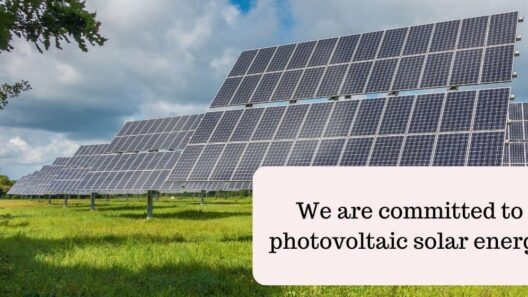
In addition, the advent of renewable energy sources heralds a new era for energy conservation. Wind, solar, and hydroelectric power exemplify how nature’s inexhaustible forces can be harnessed to generate clean energy. These methods not only epitomize energy conservation by utilizing natural resources efficiently but also illuminate pathways towards a sustainable future. As technology advances, integrating alternative energy sources into our existing infrastructure holds immense potential for reducing our ecological impact.
The educational landscape must also emphasize the importance of energy conservation principles. Curricula should foster an understanding of these concepts from a young age, kindling curiosity about the world’s workings and inspiring future generations of scientists, engineers, and environmentalists. Knowledge dissemination through schools, communities, and public campaigns can raise awareness about energy-efficient practices, promoting responsible consumption within society. When individuals recognize how their actions contribute to the overall conservation of energy, it can catalyze behavioral changes that ripple through communities, creating a collective movement towards sustainability.
Ultimately, energy conservation in physics is a principle that resonates far beyond the laboratory or the classroom. Its universality enhances our comprehension of the physical world and challenges us to reflect on our relationship with energy sources. The intricate tapestry of potential, kinetic, and thermal energies weaves the very framework of our existence. As the world grapples with the realities of resource depletion and climate change, embracing the ethos of energy conservation becomes a moral imperative, echoing through generations.
In conclusion, the principle of energy conservation serves not only as a pillar of physics but also as a beacon guiding humanity towards a sustainable future. The interplay of energy forms showcases the elegant complexity of our universe and highlights our responsibility to steward the planet’s resources wisely. Recognizing the profound significance of this principle allows us to cultivate a deeper appreciation for the delicate balance within our ecosystems and emphasizes the need for continued exploration and innovation in energy management.