


The conservation of energy theorem, a cornerstone of physics, encapsulates one of the most profound principles of nature: energy cannot be created or destroyed; it can only be transformed from one form to another. This omnipresent law governs myriad natural phenomena, guiding our understanding across multiple scientific disciplines. Herein lies a comprehensive exploration of what the conservation of energy theorem entails, its implications, and the various domains it influences.
At its core, the conservation of energy theorem posits that within an isolated system, the total amount of energy remains constant. This assertion asserts an equilibrium where energy manifests in various guises: kinetic, potential, thermal, chemical, and more. For instance, when a pendulum swings, its energy oscillates between kinetic energy—the energy of motion—and potential energy—the energy stored due to its height above a reference point. This interplay exemplifies the transformation aspect of the theorem, driving home the concept that while energy alters forms, its net quantity remains unchanged.
In the realm of thermodynamics, the conservation of energy can be articulated through the first law of thermodynamics. This law stipulates that the energy of a closed system is preserved, leading to significant implications for energy transfer processes. When heat enters a system, it can augment the internal energy, leading to macroscopic changes such as phase transitions or work being performed. Conversely, when work is done by the system, it can deplete its internal energy, necessitating a careful balance to maintain functionality. Understanding this thermodynamic framework is crucial in fields ranging from engineering to environmental science, as it governs the efficiency of energy conversion systems.
Expanding the focus beyond thermodynamics, the conservation of energy theorem has profound ramifications in the study of mechanics. In classical mechanics, the principle is vividly illustrated through the law of conservation of mechanical energy. Here, the sum of kinetic and potential energies in an ideal system remains invariable, endorsing the predictability of motion. For example, in the absence of friction, a toy car rolling down a hill converts potential energy at its apex into kinetic energy at the valley’s nadir. Such predictability underpins many engineering applications, from designing roller coasters to energy-efficient vehicles.
Moreover, in the context of electromagnetism, the conservation of energy theorem manifests through electromagnetic radiation. Energy emitted by electric charges, such as light from a bulb or radio waves from a transmitter, highlights energy conversion from electrical forms to radiant energy. This conversion occurs without loss, exemplifying the theorem’s universality. By understanding how energy transitions amongst various forms, engineers can create more efficient solar panels, improve lighting technologies, and innovate wireless power transfer systems.
In the biological sphere, the conservation of energy plays an essential role in understanding metabolic processes. Living entities transform chemical energy obtained from food into kinetic energy for movement and thermal energy to maintain body temperature. This biochemical conversion exemplifies the relentless adherence to the conservation of energy theorem. In ecosystems, energy flows from the sun through producers to various consumers, underscoring the perpetual transformation of energy as it cascades through trophic levels. The conservation principle remains essential in elucidating ecological balance and the dynamics of energy flow through environments.
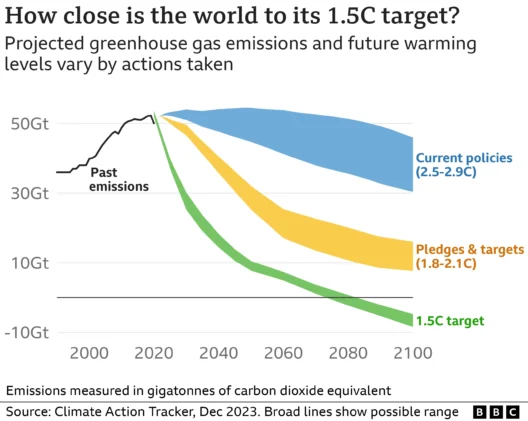
The practical implications of the conservation of energy theorem extend significantly into environmental sustainability. As we face the challenges of climate change and dwindling resources, understanding energy conservation becomes paramount. An awareness of how energy can be efficiently transformed and utilized aids in the development of renewable energy technologies, such as wind, solar, and hydropower. These innovations are grounded in the conservation principle, demonstrating how harnessed energy can provide substantial benefits without depleting the planet’s resources.
Additionally, the conservation of energy theorem implicitly advocates for energy efficiency across all sectors. Industrial processes, transportation systems, and household utilities can all benefit from meticulously applied energy management strategies. By employing insights from the theorem, industries can reduce waste, improve efficiency, and foster sustainable practices. Energy audits, for instance, highlight areas of loss, enabling the implementation of solutions that advocate for resource conservation.
Furthermore, the educational implications of energy conservation are multifaceted. Teaching the principles of energy conservation within the scientific curriculum can cultivate a generation acutely aware of their environmental footprint. Through engaging with the fundamental idea that energy is finite and must be respected, students can be inspired to innovate in technology and policy. The dissemination of knowledge regarding energy conservation can lead to a more environmentally conscious society, promoting practices that align with our planet’s ecological balance.
In conclusion, the conservation of energy theorem is not merely an abstract concept confined to the annals of physics; rather, it is a guiding principle that permeates multiple scientific domains. From enhancing our grasp of mechanical systems to illuminating the intricacies of ecological balance, this theorem offers invaluable insights into the interconnectedness of energy forms. Its implications for technology, sustainability, and education underscore its relevance in contemporary society. A comprehensive comprehension of the conservation of energy fosters a deeper appreciation for the delicate equilibrium that governs our universe, enlightening our journey toward a sustainable future.