


Climate change is an omnipresent phenomenon that elicits both urgency and ambivalence among the global populace. This conundrum is further exaggerated by the sheer volume of data that suggests a dramatic shift in Earth’s climatic patterns, corroborated by tangible disasters that have burgeoned in recent decades. Understanding the multifaceted evidence supporting climate change entails exploring scientific research, observable natural occurrences, and socio-economic ramifications, each illuminating the severity and immediacy of a warming planet.
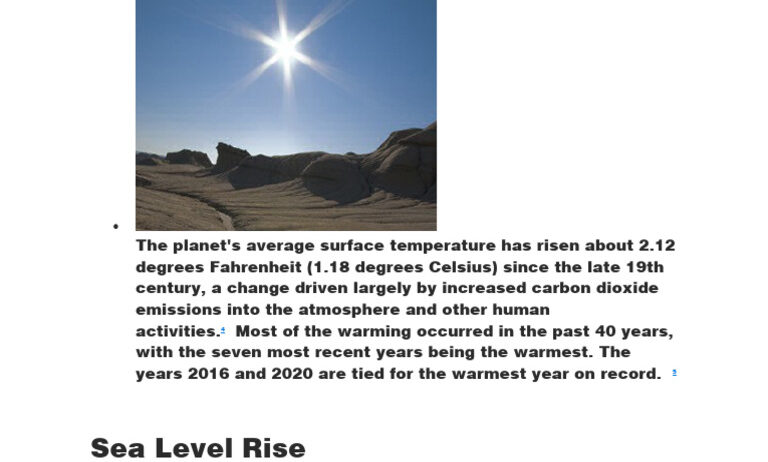
The empirical foundation of climate change rests primarily on data accrued from diverse scientific disciplines. Meteorology, oceanography, and environmental science collaborate to unravel the complexities affecting our atmosphere. Instrumental records, spanning over a century, reveal a consistent and alarming uptick in global temperatures. The Intergovernmental Panel on Climate Change (IPCC) underscores that the global average temperature has risen approximately 1.1 degrees Celsius since the pre-industrial era. This modest increase, at first glance, may appear trivial; however, it precipitates extensive implications that rain down upon ecosystems, human health, and socio-economic structures.
Inextricable from temperature fluctuations is the concentration of greenhouse gases, particularly carbon dioxide (CO2) and methane (CH4). These gases, emitted predominantly through human activities such as fossil fuel combustion, deforestation, and agriculture, act as an insidious veil, trapping heat in the atmosphere. Data from Mauna Loa Observatory exemplifies this correlation succinctly, as atmospheric CO2 levels have surged above 400 parts per million for the first time in millions of years. Such data points illustrate a disturbing trend: the anthropogenic influence on natural processes has reached an unprecedented zenith.
Moreover, satellite imagery and remote sensing technologies have unraveled stark transformations visible from space. Glacial and polar ice melt, a direct consequence of rising temperatures, has bedeviled the Arctic and Antarctic regions. This phenomenon is not merely aesthetic; the ramifications for global sea levels are profound. As ice retreats, sea levels inevitably rise, threatening coastal ecosystems and human settlements alike. Recent projections indicate that if present rates continue, many coastal cities may experience increased flooding, necessitating urgent mitigation strategies.
The hydrosphere is also a victim of climate change, experiencing alterations in precipitation patterns that disrupt established weather norms. The phenomenon of extreme weather events—be it hurricanes, droughts, or floods—has grown in frequency and intensity. It is a stark manifestation of a warming world, and this is not just anecdotal evidence. Scientific analysis links these events to the broader trend of climate change, revealing that a 1-degree Celsius rise can lead to a staggering 7% increase in atmospheric moisture, amplifying precipitation furor in storms.
Disasters borne of climate change cannot be underestimated. Wildfires have ravaged vast swathes of land across continents, fueled by prolonged drought and extreme heat. The summer of 2021 bore witness to such calamities in the United States and Europe, stretching firefighting resources and displacing communities. A poignant intersection forms here: human health, property loss, and environmental degradation intertwine, presenting a multifaceted crisis that demands comprehensive solutions.
Additionally, the encroachment of climate change upon biodiversity is alarming. Numerous species face existential threats as their habitats become inhospitable or altered beyond recognition. Coral reefs, often referred to as the rainforests of the sea, exemplify this plight. Ocean acidification, driven by elevated CO2 levels, undermines coral growth and resilience. The Great Barrier Reef’s bleaching incidents poignantly illustrate a vivid tapestry of life unraveling due to rising ocean temperatures and chemical changes.
The socio-economic consequences of climate change extend beyond environmental degradation. Vulnerable populations, particularly in developing regions, bear the brunt of climatic shifts, often lacking the resources to adapt or recover. Food security emerges as a critical concern; shifting agricultural patterns threaten crop yields, exacerbating malnutrition and poverty. This inexorable cycle underlines the urgency for equitable and sustainable practices globally.
Perhaps what fascinates scholars and activists alike is not merely the data itself, but the intricate interplay of factors contributing to climate change. Industrialization, urbanization, and consumer habits coalesce into a narrative of existential significance; the carbon footprint is not just a statistic but a reflection of choices made at the individual, community, and systemic levels. This phenomenon beckons a journey towards sustainability, one where the collective consciousness shifts from exploitation to preservation.
The realm of climate psychology further enriches the discussion. The increasingly evident reality of climate change catalyzes diverse emotional responses, from anxiety to denial. Such psychological dimensions influence public discourse and policy-making, underscoring the urgency of education and awareness campaigns. Engaging communities in interactive dialogue fosters a deeper understanding of climate science, inspiring actionable steps towards resilience.
In conclusion, the evidence supporting climate change is as extensive as it is compelling. From instrumental data chronicling temperature increases to the visceral impact of disasters that disrupt lives, the narrative formed is both alarming and irrefutable. Understanding this evidence culminates not just in knowledge but in catalyzing collective action. The pressing questions of today center not on whether climate change is occurring, but rather how humanity will respond to this clarion call for change. Only through an informed, united, and persistent effort can we hope to mitigate the adverse effects of climate change and pave the way for a more sustainable future.