


In the grand theater of Earth’s climate, where atmospheric veil and geological stage intertwine, climate models emerge as the scriptwriters of our planet’s future. These intricate frameworks serve as both a mirror reflecting our current conditions and a telescope peering into the nebulous future. Like a sophisticated chess player anticipating moves ahead of time, climate models engage in the art of forecasting by simulating the vast, interconnected processes that govern our atmospheric systems.
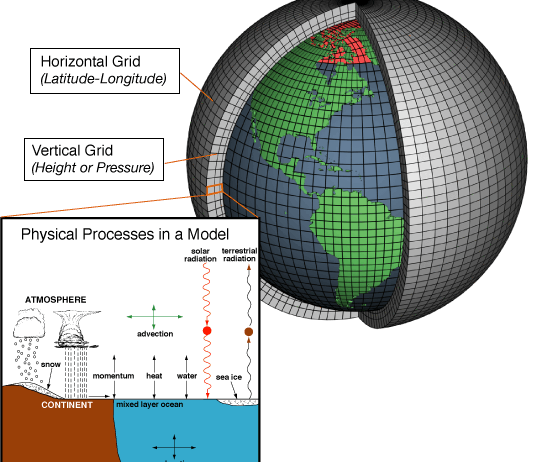
At their core, climate models are mathematical representations of the Earth’s climate system. They assimilate a plethora of data—from sea surface temperatures to carbon dioxide concentrations—melding them into complex algorithms. These algorithms yield simulations that can predict potential weather patterns, temperature fluctuations, precipitation changes, and even catastrophic events, provided they are fed with accurate and comprehensive input data. In this context, the models serve not merely as statistical tools, but as essential navigational instruments guiding humanity through an uncertain and often tumultuous climatic landscape.
To fully appreciate climate models, one must recognize the metaphorical tapestry they weave. Imagine standing before a massive, intricate tapestry, each thread representing a different element of the climate system: atmospheric circulation, ocean currents, ice sheets, and biospheric interactions. When viewed from afar, the tapestry—our climate—appears cohesive and vibrant. Yet, upon closer examination, the underlying complexity is revealed. Changes in one thread can create cascading effects that alter the entire artwork. This intricate interdependence signifies the necessity of climate models; without them, understanding and predicting changes in our climate becomes an almost Sisyphean task.
Climate models can be classified into several categories, each offering unique capabilities and areas of focus. The most recognized are General Circulation Models (GCMs), which simulate the atmosphere, oceans, and land surfaces using the principles of physics and fluid dynamics. GCMs are likened to grand orchestras, coordinating various instruments—air, water, and land—into a harmonious analysis of climate phenomena. Yet, the complexity of these models comes at a cost. High computational demands and the requirement for extensive datasets often limit their accessibility, forcing researchers to balance precision with practical limitations.
Another vital subset of climate models is the Earth System Models (ESMs). These models go beyond mere atmospheric calculations; they also incorporate biological, chemical, and geological processes to present an even more nuanced understanding of climate dynamics. The interplay of these elements demonstrates the profound impacts of human activities—deforestation, fossil fuel consumption, and industrial emissions—on natural systems. As these influences are captured in ESMs, the narrative of climate change evolves from mere numbers into a compelling story of resilience and vulnerability.
A significant challenge faced by climate models lies in their assumptions and parameters. The sensitivity of a model determines how it responds to changes in input data, and this sensitivity can dramatically influence predictions. For instance, if a model underrepresents the influence of greenhouse gases, its forecasts may project unwarranted optimism regarding temperature increases. The inherent uncertainties in climate modeling prompt ongoing debates among scientists, policymakers, and the public. It is vital to approach these forecasts with a critical eye, understanding that climate models are not prophecies but rather probabilistic scenarios steeped in varying degrees of reliability.
Despite their limitations, the value of climate models cannot be overstated. They provide an essential framework for decision-making in an era marked by accelerating climate-related challenges. Policymakers rely on these models to inform climate adaptation strategies, disaster preparedness, and sustainable development initiatives. The insights gleaned from climate models empower societies to mitigate the impact of climate change, equipping them with foresight to navigate through potential upheavals.
Moreover, climate models promote public awareness concerning the urgency of climate action. They transform abstract scientific concepts into relatable narratives, connecting individuals to the broader implications of their actions in a warming world. By visualizing potential futures through models, communities can visualize their role in the global climate dialogue, fostering a sense of accountability and engagement. Understanding the intricacies of climate models underscored the urgency of our choices today—the decisions made now could either perpetuate a trajectory of environmental degradation or pave the way for a more sustainable coexistence with our planet.
In conclusion, climate models articulate a multifaceted narrative, conveying both the fragility and resilience of Earth’s systems. They serve as invaluable tools in our shared expedition toward sustainability, providing critical insights that drive informed policy decisions and individual actions. As society grapples with the looming specter of climate change, one thing remains undeniably clear: the fabric of the Earth’s climate is woven with complexity, and understanding this intricate tapestry is paramount in our quest to preserve the symphony of life for future generations. It is only through recognizing the power of climate models—our guides in the uncharted waters of the future—that we can comprehensively address the challenges posed by a rapidly changing world.