

Subtropical climates, characterized by their warm temperatures and considerable humidity, occupy a unique position in the pantheon of global climatic zones. Encompassing regions situated between the tropics and the mid-latitudes, subtropical climates manifest both in a humid form, replete with precipitation throughout the year, and in a dry form, distinguished by arid conditions for significant portions of the year. Understanding these climates requires a nuanced examination of their features, variations, and the meteorological phenomena such as heat, humidity, and the storms they engender.
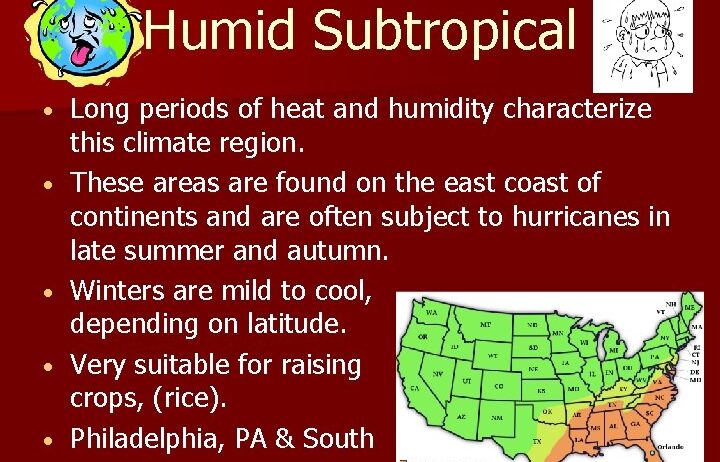
The predominant feature of a subtropical climate is undoubtedly the heat. Temperatures in these regions do not merely flirt with the high end of the thermometer; they often sail well into the sweltering territory, particularly during summer months. Monthly average temperatures in summer can easily surpass 30°C (86°F), occasionally experiencing peaks that challenge human endurance. The urban centers basking in this warmth, from the southern United States to parts of East Asia, become illustrative examples of the intense summer heat associated with subtropical regions.
Heat is not merely an isolated phenomenon, but rather an intricate tapestry woven together with humidity. This aspect sets subtropical climates apart from their temperate counterparts. The combination of high temperatures and high humidity creates a stifling atmosphere where discomfort reigns supreme. In humid subtropical regions, the air is often saturated with moisture, implying that humidity levels typically exceed 60% during the warmer months, leading to an oppressive environment reminiscent of tropical locales. This high humidity acts as a catalyst for discomfort, magnifying the perceived temperature and driving many individuals to seek refuge in air-conditioned spaces.
Yet, with this humidity comes peril—storms. The atmospheric dynamics in subtropical regions frequently give rise to severe weather phenomena. The interplay between warm, moist air and cooler air masses often culminates in significant storms. Thunderstorms, sometimes severe, can develop abruptly, fueled by the abundant humidity and heat. These storms can unleash torrential rains, formidable winds, and even hail, and they play a crucial role in the hydrological cycles of subtropical areas. Understanding the mechanisms behind these storms is essential to grasping how they shape the environment and people’s lives.
The subtropical climate in humid regions, such as the southeastern United States, is characterized by a distinct rainy season, which typically aligns with the hotter months. This season intersperses sunny days with sudden, severe thunderstorm activity, often leading to heavy downpours that can cause flash flooding. On the contrary, the dry subtropical climate, commonly seen in Mediterranean-like regions, experiences a significantly different pattern. Rainfall is sparse, typically occurring in winter, with scorching summers that can push temperatures beyond the comfort threshold.
Moreover, when delving deeper into subtropical climates, one must consider the phenomenon of tropical cyclones, particularly in coastal regions. These storms, known colloquially as hurricanes or typhoons depending on their location, can wreak havoc on the subtropical landscapes. Fueled by the warm sea surface temperatures typical of subtropical waters, these cyclones can produce winds exceeding 150 mph and torrential rains that lead to catastrophic flooding. The direct correlation between sea temperature and storm intensity underscores the vulnerability of subtropical coasts to climate variability and change.
Climate change exacerbates the dynamics of subtropical climates, intensifying both heat and storm patterns. Historical data suggest a clear trend: as temperatures rise, instances of extreme heat become more common. This increase in heat could lead to longer summers, altering the ecosystem balance and affecting agriculture. Simultaneously, as the atmosphere becomes warmer, it can hold more moisture, increasing the potential for extreme precipitation events. The ramifications of these changes are profound, threatening local biodiversity, agriculture, and ultimately human habitation.
The adaptability of both flora and fauna in these climates warrants attention. Tropical and subtropical species have evolved remarkable strategies to thrive in high humidity and temperatures. Some have developed deep root systems to access groundwater, while others exhibit waxy coatings to reduce moisture loss. However, as climatic conditions shift, these species may find it increasingly difficult to adapt, leading to potential biodiversity loss. The interplay between climate change and the subtropical ecosystem poses significant concerns for conservationists and environmentalists alike.
Nevertheless, subtropical climates, with their unique weather patterns and ecosystems, also offer promising opportunities for human habitation and economic development. Agriculture thrives in these regions due to the extended growing seasons, enabling the cultivation of a variety of crops. Tropical fruits, cotton, and other high-value crops flourish in these temperatures. Moreover, tourism geared towards subtropical climates attracts millions annually, fascinated by the warm weather, lush landscapes, and rich biodiversity.
In summation, understanding the subtropical climate necessitates a comprehensive investigation into the interrelated factors of heat, humidity, and storm formation. The implications of climate change further complicate this understanding, underscoring the need for action and adaptation. It is essential to remain aware of the delicate balance of ecosystems within these regions and to recognize the vulnerabilities they face in a rapidly evolving world. Preserving the splendor and richness of subtropical climates is not merely an environmental concern; it is vital for the well-being of countless species, including humanity itself.