

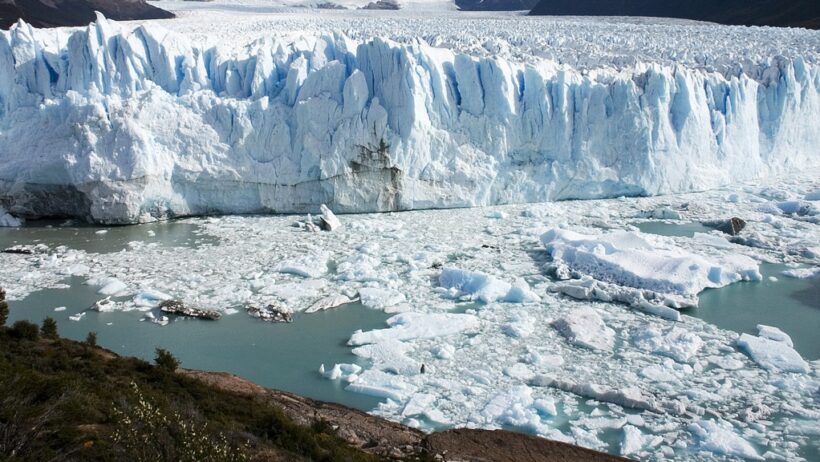

Alaska is a land that evokes awe, primarily due to its multifaceted climate characterized by ice, snow, and the ethereal phenomenon known as the midnight sun. As the largest state in the United States, Alaska’s climate is as diverse as its geography, ranging from coastal rainforests to tundra. The state is intrinsically linked to its climatic conditions, which shape its ecosystems, influence its wildlife, and pose unique challenges to its inhabitants.
The Alaskan climate is predominantly arctic and subarctic with variations dictated by topographical features and oceanic currents. Coastal regions experience a maritime climate, while interior areas are subject to the extremes of continental weather patterns. The state’s northern regions endure long, harsh winters, whereas its southern coastal areas enjoy relatively moderate temperatures.
Winter in Alaska is a formidable season. The temperatures can plunge to chilling lows, particularly in the northern expanse where the Arctic Circle lies. Here, the average winter temperature hovers around -20°F (-29°C), supplemented by fierce winds that create subzero conditions. This harsh environment necessitates an astounding adaptability from both wildlife and human populations. The natural adaptation demonstrates how species such as the Arctic fox and migratory birds coexist despite the rigors of the climate. They exhibit fascinating behavioral adaptations, like the migratory patterns of various birds that escape the icy grasp of winter, only to return in spring.
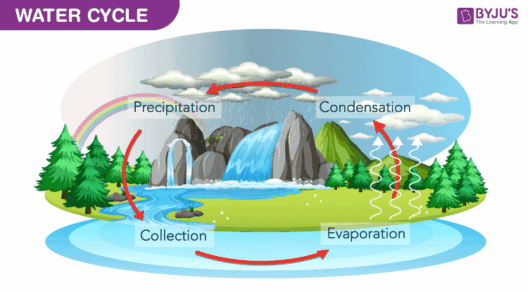
Snow cover is another hallmark of Alaska’s winter landscape. The state sees considerable snowfall, especially in its mountainous regions. Snow accumulation can be impressive, yet it serves a larger purpose than mere aesthetics. The insulating blanket of snow acts as a reservoir for freshwater, releasing it gradually as temperatures rise in spring. This process is critical for maintaining river ecosystems and supporting fish populations, which are vital for both wildlife and human sustenance in Alaska.
Transitioning into spring, Alaska showcases one of the most profound marvels of its climate: the transition from bleak winter barrenness to vibrant life. Longer daylight hours precipitate the rapid melting of snow and the awakening of dormant vegetation. The thawing permafrost, a layer of permanently frozen soil, also unveils the unique complexities of the Arctic ecosystem. However, this rising temperature trend also indicates broader climate change implications, resulting in a destabilization of these fragile environments.
Summer in Alaska juxtaposes the stark contrast of its cold winters with a unique phenomenon known as the midnight sun. During this time, particularly in locations above the Arctic Circle, the sun remains visible for 24 hours a day. This unusual occurrence plants the seeds for remarkable biological productivity. Step outside during the summer months in northern Alaska, and you are enveloped in a brilliant tapestry of wildflowers, lush greenery, and a profusion of wildlife activity. The ecological interactions observed are remarkable, as animals thrive in this season of abundance, capitalizing on long hours of sunlight.
The midnight sun not only influences the natural world but significantly affects human activity and culture. Communities engage in outdoor activities late into the night, fostering a unique lifestyle that embraces the natural rhythms of light. However, this phenomenon also presents challenges regarding the adaptation of local cultures and social dynamics. The jovial summer atmosphere contrasts notably with the solitude of winter, leading to fluctuations in mental well-being among residents.
As summer wanes, the first hints of fall arrive, and soon the vibrant colors of autumn foliage take center stage. This interstitial period serves as a reminder of nature’s cyclical patterns, as wildlife prepares for the winter months ahead. It is during this transition that the urgency of climate change becomes starkly apparent. Temperature fluctuations disrupt these intersections, causing phenological mismatches in animal behavior and food availability.
Beyond the surface layers of snow and sun, Alaska’s climate serves as a powerful metaphor for resilience and adaptation. The tumultuous forces of nature have shaped not only its breathtaking landscapes but also the lives of those who have thrived amongst its challenges. Indigenous peoples have inhabited these lands for thousands of years, developing rich cultures intricately tied to their environments. Their deep understanding of the land’s rhythms emphasizes a symbiotic relationship with nature often lost in industrialized societies.
Climate change casts a long shadow over Alaska, as rising temperatures and shifting weather patterns redefine the environmental landscape. This phenomenon is not merely a distant concern; it is a current reality. Melting glaciers, disappearing sea ice, and unpredictable weather patterns are observed by both residents and scientists alike. The repercussions of climate change are felt deeply throughout the state, affecting ecosystems, economy, and cultural practices. Coastal communities must confront rising sea levels, while wildlife faces habitat loss and altered migration routes.
The complexities of Alaska’s climate frame an intricate canvas upon which the narratives of nature and humanity intertwine. The striking interplay between ice, snow, and the midnight sun encapsulates the state’s essence, revealing the interconnectedness of all life forms. Challenges posed by climate change urge greater awareness and action. Just as the diverse climates of Alaska tell a story of adaptation and change, so too must humanity learn to navigate its evolving landscapes, embracing the imperative to foster sustainability and resilience in the face of stark environmental realities.