


Climate action encapsulates a broad spectrum of responses aimed at combating climate change and mitigating its adverse effects. This multifaceted concept encompasses grassroots protests, systemic advocacy, and formal policy initiatives. Each of these elements plays an integral role in shaping the contemporary discourse around environmental sustainability and climate justice.
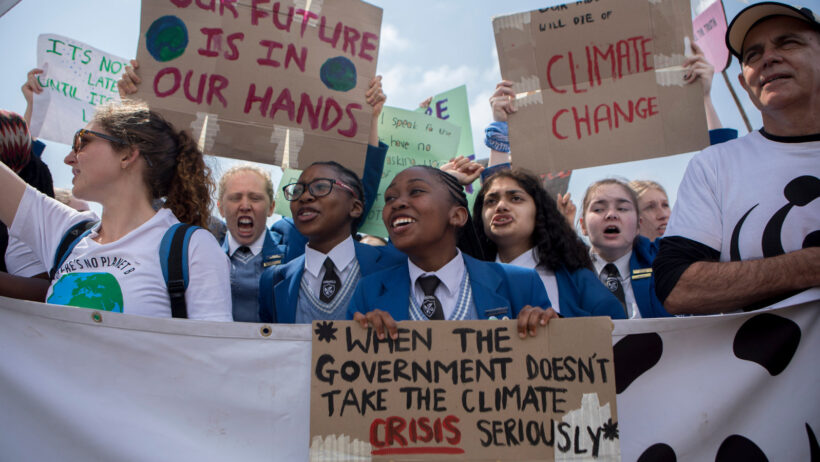
The roots of climate action can often be traced back to grassroots movements. These protests, which have proliferated globally, serve as a powerful testament to the urgency many feel regarding the climate crisis. Young activists, in particular, have taken to the streets, demanding concrete measures and systemic changes to address the looming threats posed by climate change. The iconic Fridays for Future movement, spearheaded by figures like Greta Thunberg, epitomizes the collective mobilization of youth across various nations. These gatherings do more than draw attention to the issue; they create a sense of solidarity and urgency. The chants, banners, and collective voices reverberate with a singular message: the time for activism is now.
Beyond protests, climate action manifests through advocacy efforts aimed at influencing public perception and policy formulation. Activists engage not only in street protests but also in letter-writing campaigns, social media mobilizations, and community organizing to galvanize support for renewable energy initiatives, carbon reduction targets, and various sustainability measures. These advocates tirelessly work to educate the public about the science of climate change and the societal shifts necessary to address it. Through workshops, seminars, and social media engagement, they dismantle misconceptions and aim to elevate the discourse around climate issues to a broader audience.
Despite the vigor of protests and advocacy, the translation of public outcry into policy remains a significant challenge. Policymaking concerning climate action involves a complex interplay of scientific evidence, political will, and public sentiment. At the international level, treaties such as the Paris Agreement represent concerted attempts by nations to address climate change on a unified front. These agreements are bolstered by national policies designed to meet specific emissions targets, promote sustainable transportation, and enhance energy efficiency.
The role of government in climate action cannot be overstressed. Policymakers must grapple with both the economic implications of climate policies and the ethical considerations of environmental justice. For instance, climate action policies should not disproportionately burden marginalized communities—a critical aspect often highlighted by activists. As climate change disproportionately affects vulnerable populations, effective climate policies need to incorporate equitable solutions that benefit all sectors of society. This intersectionality is crucial for fostering an inclusive approach to climate justice.
Moreover, the business sector is increasingly recognized as a pivotal player in climate action. Corporations are beginning to understand that sustainable practices not only improve their public image but also enhance long-term profitability. Many companies are adopting corporate social responsibility (CSR) strategies, pledging to reduce their carbon footprints, invest in renewable energy, and promote sustainable supply chains. The rise of green technology firms underscores a burgeoning economy geared towards sustainability, further bolstering the argument that addressing climate change is not merely a moral imperative but an economic opportunity.
A critical component of effective climate action is the role of scientific research and technological innovation. The global scientific community continues to innovate, developing new technologies aimed at capturing carbon emissions, improving energy efficiency, and harnessing renewable energy sources. Initiatives that support research and development in clean technologies are essential to propel the transition to a low-carbon economy. Governments and private entities must allocate funding and resources to facilitate this innovation, as it holds the potential to drastically alter our current trajectory regarding climate change.
Importantly, climate action requires a holistic approach—one that weaves together environmental, social, and economic threads. It necessitates collaboration across various sectors, including government, non-profit organizations, and the private sector. Collaborative efforts can take the form of public-private partnerships aimed at developing infrastructure for renewable energy or community engagement programs that mobilize local populations to engage with climate issues pragmatically.
Furthermore, education plays a crucial role in fostering a climate-conscious citizenry. Integrating climate education into school curricula at every level ensures that future generations understand the stakes involved in climate change. Such education empowers individuals to participate in climate advocacy from a young age, solidifying the groundwork for ongoing movements and sparking a lifetime of environmental stewardship.
Finally, the future of climate action is contingent upon an informed and engaged citizenry. As individuals become more aware of their environmental impact and the systemic issues surrounding climate change, they are more likely to support and take part in both grassroots and institutional efforts. Public awareness campaigns that emphasize the urgent need for action are essential in keeping climate discourse at the forefront of societal concerns.
In conclusion, climate action is a rich and varied tapestry of protests, advocacy, policies, and innovations. It encapsulates the struggles of individuals, communities, and nations as they grapple with the multifarious challenges presented by climate change. From the fervent voices chanting in protest to the diligent policymakers crafting legislation, every facet of climate action is crucial. The interplay between grassroots mobilizations and formal policies ultimately shapes society’s collective response to one of the most pressing issues of our time. As we advance, a unified and sustained effort will be paramount in ensuring a sustainable future for the planet.