
Climate change, an omnipresent and existential threat, has woven itself into the fabric of our environment, altering the fundamental systems of our planet. As people become increasingly aware of these shifts, a pressing question arises: What exactly is climate change affecting most? The most glaring victims appear to be our waters, wildlife, and weather patterns. Each plays an integral role in the Earth’s complex tapestry, and disruptions within these spheres invariably lead to unforeseen repercussions.
Let us start with our planet’s most precious resource: water. Freshwater bodies, from majestic glaciers to meandering rivers, provide sustenance for countless species and humans alike. Yet, as global temperatures rise, these vital waters are undergoing drastic transformations. A significant concern pertains to the melting of polar ice caps and glaciers. The resultant increase in sea levels is not merely a scientific speculation but a burgeoning reality. Coastal communities face unprecedented challenges as they grapple with inundation, loss of habitat, and saltwater intrusion into freshwater supplies. Imagine a town that once thrived along a vibrant coast, now rendered obsolete by ocean encroachment. It’s a stark reminder of climate change’s pervasive threat.
Moreover, the impact on water temperatures is equally alarming. Elevated temperatures can lead to thermal stratification, thereby disrupting the delicate balance of aquatic ecosystems. Warmer waters tend to hold less oxygen, which can cause fish kills and the displacement of aquatic species. Consequently, this change in water chemistry threatens the livelihoods of countless fishermen and the sustainability of local economies that depend on these aquatic resources. Have you ever pondered how the shrimp you enjoy in your cocktail could be extinct one day as water bodies become inhospitable due to rising temperatures?
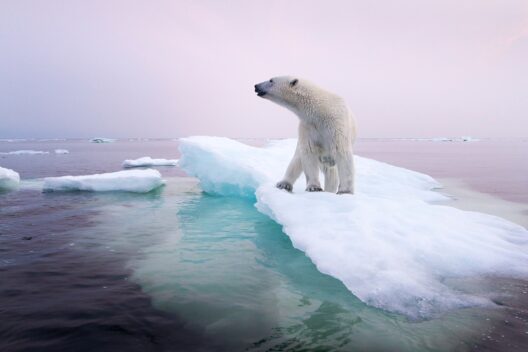
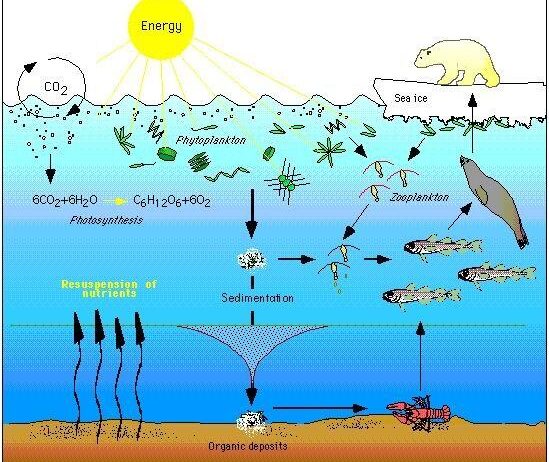
Equally critical is the effect of climate change on wildlife, which is intricately linked to both terrestrial and aquatic ecosystems. Species are struggling to adapt to shifting habitats and altered food sources. Take the case of polar bears, epitomes of the Arctic’s majesty. As ice forms diminish, these majestic creatures find it increasingly difficult to hunt seals, their primary food source. What happens when apex predators lose their habitats and food supplies? The entire ecosystem suffers. An imbalance ensues, cascading through the food web, affecting everything from phytoplankton to larger marine mammals.
The threats don’t stop at mere population decline; biodiversity is being eroded at an alarming pace. Increased temperatures and changing precipitation patterns create ideal conditions for invasive species, which further threaten native species already struggling to survive in their evolving environments. The extinction of one species can trigger a ripple effect, destabilizing ecosystems and leading to more widespread ecological crises. Could we soon witness an epoch where biodiversity, our planet’s biological wealth, is depleted due to our inaction?
Weather patterns are, paradoxically, one of the most visible and yet least understood ramifications of climate change. As we continuously bear witness to extreme weather events—hurricanes, floods, droughts—this evolving climate paradigm is transforming the very essence of meteorology. The frequency and intensity of these events are on the rise, leaving communities around the globe to grapple with their aftermath. The question arises: Can we continue to afford the escalating costs of disaster recovery?
Hurricane season, for instance, has morphed into a vengeful force, wreaking havoc on coastal regions and creating a cycle of destruction and displacement. The aftermath of such storms not only destroys physical infrastructure but also displaces entire communities, leading to social and economic upheaval. Individuals’ lives are disrupted, sparking a need for migration that can alter demographic landscapes. Some might ponder: Are the cities we love at risk of being submerged under emotional and physical turmoil?
Furthermore, droughts have become more severe and widespread, reducing agricultural productivity and leading to food scarcity. The connection between climate change and food security cannot be overstated. Limited water supplies impact farmlands, diminishing crop yields and threatening local economies. As food prices soar, whose responsibility is it to address the delicate balance of nature and nurture? Are smallholder farmers doomed to bear the brunt of this crisis?
Adaptation and resilience are recurrent themes in the discourse surrounding climate change. The challenges posed by climate change to water, wildlife, and weather call for innovative solutions and collective action. Governments, NGOs, and communities must unite to bolster our defenses against these existential threats. Rigorous policies aimed at emissions reduction, habitat preservation, and community resilience can catalyze positive change. Incorporating sustainable practices into daily life is indispensable. Whether through reducing water waste, protecting natural habitats, or advocating for climate policy reform, individual contributions collectively forge a formidable front against climate change.
Ultimately, raising awareness about how climate change affects our environment is crucial. We cannot afford ignorance when the stakes are so profoundly high. As global temperatures continue to rise, the intricate dance of water, wildlife, and weather will only become more unpredictable. The question remains: Do we have the collective will to address these pressing challenges, or will we allow our planet to continue down a path of destruction? The responsibility lies with each of us to demand action and foster change. The time to act is now, for the future remains uncertain and shaped by the decisions we make today.