

The Earth’s atmosphere is akin to a finely tuned orchestra, each element harmonizing to create a symphony of stable climates and ecosystems. However, climate change is the dissonant note that disrupts this melody. As human activity continues to inject excessive greenhouse gases into the atmosphere, it catalyzes a cascade of alarming effects, transforming the planet in profound and often unsettling ways. Understanding these changes is imperative for fostering a sense of urgency and mobilizing action.
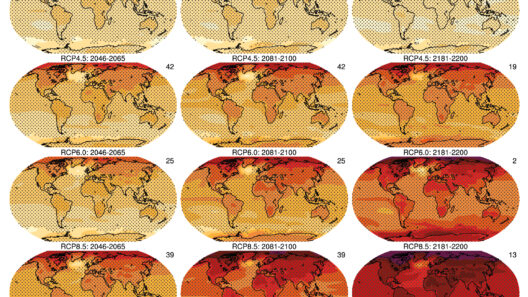
At its core, climate change refers to the long-term alteration of temperature and typical weather patterns. While fluctuations in climate are a natural phenomenon, the rapid pace at which these changes are occurring today is anything but ordinary. Rising global temperatures, shifting precipitation patterns, and increased frequency of extreme weather events are just the tip of the iceberg. Each facet of climate change manifests its own detrimental effects on the Earth’s systems.
Firstly, ocean temperatures are on the rise, leading to a phenomenon known as ocean acidification. The turmoil beneath the waves is reminiscent of a pot of water slowly reaching a boil. Marine life, particularly coral reefs, is suffering immensely. Coral bleaching, a process where corals expel the algae that live symbiotically within them, leaves the once vibrant reefs ghostly white and vulnerable. These ecosystems support a vast array of marine species; their decline signals a catastrophic ripple effect through the marine food web. The ocean, which acts as a carbon sink, absorbing over a quarter of the carbon dioxide emissions, is increasingly stressed, leading to imbalances that affect global weather patterns.
In tandem with rising ocean temperatures, the melting of polar ice caps poses a monumental threat. Glaciers and ice sheets are retreating at alarming rates, contributing to rising sea levels. Imagine the Earth not just as a home but as a delicate balance of land and water; as sea levels rise, coastal cities and island nations are confronting the very real prospect of displacement. The encroaching tides threaten freshwater supplies and agricultural lands, leading to existential crises in densely populated areas. This is not merely a distant concern; communities are already experiencing the precursors to climate displacement.
The transformation of terrestrial ecosystems complements these aquatic changes. Forests, often referred to as the lungs of our planet, are under siege. Severe droughts and intensified wildfires are emblematic of a changing climate. A once vibrant forest can become a pyre, releasing stored carbon back into the atmosphere, thus perpetuating the cycle of warming. The charred remains leave not only ecological scars but also socio-economic repercussions, as communities reliant on forestry for their livelihoods grapple with the aftermath. Each plume of smoke said to be a whisper of the lost flora and fauna that once thrived in a diverse habitat.
Furthermore, agricultural systems are being pushed to their limits. Climate change disrupts traditional growing seasons and alters rainfall patterns. Crops that once flourished in certain climates are struggling to survive, and food security hangs in the balance. Picture the global agricultural landscape as a chessboard; each piece represents a different crop variety thriving under specific conditions. As the climate alters the parameters of play, farmers find themselves not just adapting their strategies but redefining them altogether. The stakes are high—malnutrition and hunger loom ominously as staple food supplies dwindle in the face of unpredictable weather.
Moreover, human health is intertwined with these environmental shifts. Rising temperatures create fertile ground for disease vectors like mosquitoes, increasing the spread of diseases such as malaria and dengue fever. Air quality deteriorates as pollutants are exacerbated by heat waves, an alarming precursor to respiratory diseases. The health impacts of climate change are akin to a ripple, with consequences spiraling outwards, affecting the most vulnerable members of society disproportionately. This interplay between climate and health highlights an urgent need for holistic approaches to climate mitigation and public health.
Culturally and psychologically, the effects of climate change extend beyond tangible losses. The phenomenon of eco-anxiety has burgeoned among individuals and communities witnessing these changes. The emotional toll is profound, as people grapple with uncertainty about the future of their environment. Disruption of cultural landmarks and traditional lifestyles adds another layer of complexity; the loss of connection to nature can unravel the social fabric of communities. It is within this context that the call for action becomes not just an environmental concern but a rallying cry for emotional resilience and cultural preservation.
As we stand on the precipice of an uncertain future, it becomes clear that the ramifications of climate change touch every facet of life on Earth. Each of these alarming effects interlinks like threads in a vast tapestry, convincing us that individual actions matter. Advocacy for renewable energy, sustainable practices, and comprehensive policy changes are essential for curbing greenhouses gas emissions and mitigating the consequences already in motion. It is a collective responsibility that transcends borders—a call to steer this fragile ship of Earth back toward harmony.
In conclusion, climate change serves not only as a formidable challenge but also as a profound opportunity for global unity and reform. The time to act is now—each voice, each effort, adds to the growing chorus of hope and resilience. Just as the myriad notes in an orchestra can create an inspiring symphony when harmonized, so can humanity chart a course towards a sustainable and equitable future. This is a call not only to comprehend the dissonance that climate change brings but also to become the agents of change that restore balance to our planet.