


Japan, an archipelago renowned for its rich tapestry of cultures and stunning landscapes, experiences a unique climatic phenomenon throughout the year. The country is distinctly divided into four seasons: spring, summer, autumn, and winter. Each of these seasons is celebrated for its distinctive weather patterns and the splendor of its natural beauty. However, one may ponder, how do climate changes due to global warming alter this seasonal experience? This question beckons exploration into the nuances of Japan’s climate.
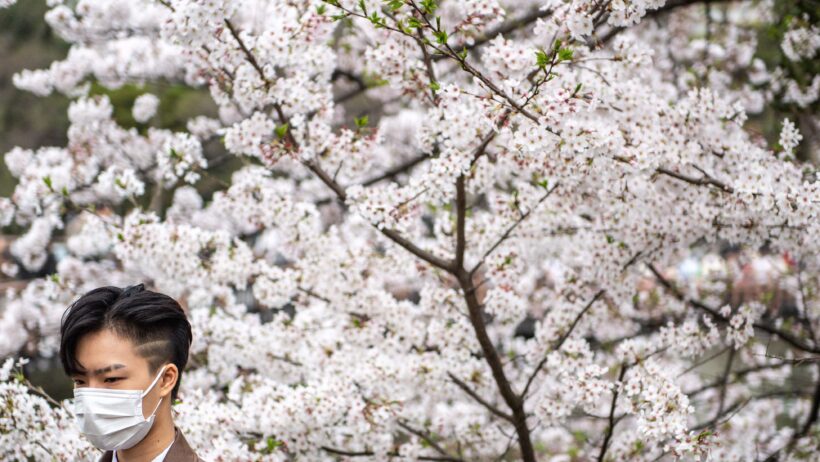
Spring, spanning from March to May, is arguably one of the most celebrated seasons in Japan. With the arrival of warmer temperatures, cherry blossoms (sakura) begin to bloom, creating a breathtaking landscape that attracts millions of tourists and locals alike. The pink and white petals are not just a beautiful spectacle; they are steeped in cultural significance. Hanami, or flower viewing, is a cherished tradition where families and friends gather beneath cherry trees to appreciate their ephemeral beauty, often accompanied by picnics. Yet, climate change has begun to disrupt this timeless ritual, with blooms peaking earlier than in previous decades, raising profound questions about the ecological consequences of such shifts. How might this alteration affect the cultural practices around the cherry blossom season?
A deeper examination of spring reveals the role of temperature and precipitation. In Japan, spring is generally characterized by mild weather, with temperatures averaging between 10°C to 20°C (50°F to 68°F). This season fosters the growth of various flora and fauna, contributing to the burgeoning life following winter’s frosty grip. Rainfall during this period is generally modest, providing the essential hydration that plants need after their dormant phase. However, increased incidences of extreme weather events, including heavier rainfall and erratic temperatures, pose challenges to agriculture and the natural ecosystem. The delicate balance required by farmers for successful crops becomes increasingly precarious.
As the cherry blossoms fade, summer emerges, spanning from June to August, and brings a contrasting intensity into the climatic mix. Characterized by sweltering heat and humidity, temperatures often soar above 30°C (86°F) in many regions. The summer months also herald the onset of Japan’s distinct rainy season (tsuyu), which typically lasts for approximately six weeks. Torrential downpours can lead to flooding and landslides, events that have become more frequent in recent years, prompting discussions about how climate change exacerbates these natural disasters.
Summer is a vibrant season in Japan, with numerous festivals (matsuri) commemorating traditional customs. Events such as fireworks displays, parades, and local fairs occur under the sweltering sun, drawing communities together. Yet, with the increasing frequency of heatwaves, the health risks associated with extreme heat have surged. Vulnerable populations, such as the elderly, are particularly at risk, highlighting the urgent need for adaptation to protect public health amidst rising temperatures.
Transitioning into autumn, from September to November, brings a splendid display of changing foliage, with vibrant hues of red, orange, and yellow dominating the landscape. The mild temperatures and lower humidity make autumn a delightful season for outdoor activities. The Japanese culture deeply appreciates this transition, evident in the tradition of momijigari — enjoying the autumn leaves. However, erratic climate patterns alter this experience; shifts in temperature can lead to unpredictability in foliage timing, prompting anxieties over disrupted ecosystems and biodiversity.
Notably, autumn prepares the stage for winter, which spans from December to February. Winter in Japan varies dramatically based on geographical location. Northern regions, such as Hokkaido, experience heavy snowfall, while southern areas enjoy milder conditions. The coldest months see temperatures plummeting to -10°C (14°F) in the north, ushering in a season perfect for snow sports and traditional hot springs (onsen). The Japanese winter culture is rich in unique customs and seasonal foods, from warming dishes like nabe to the celebration of New Year (oshougatsu).
Yet, climate change casts a long shadow over Japan’s winter season. Warmer winters are reported, leading to reduced snowfall in many regions, impacting not only the economy reliant on winter tourism but also the natural habitats that rely on consistent snowpack levels. The survival of species adapted to winter conditions hangs in the balance as ecosystems struggle to adapt to fluctuating climates.
In conclusion, understanding Japan’s climate through the lens of its four seasons unveils both beauty and complexity. Each season showcases the harmonious interplay between the environment and cultural traditions. However, the encroachment of climate change challenges this balance, forcing a reevaluation of practices rooted in temporal rhythms. As the nation grapples with the impending effects of climate change, it becomes imperative to adopt sustainable practices that honor and protect the delicate interdependence of culture and climate. Will future generations still revel in the cherry blossoms, or will they stand as a wistful memory of nature’s past splendor? The answer to this question is contingent upon the actions taken today.