

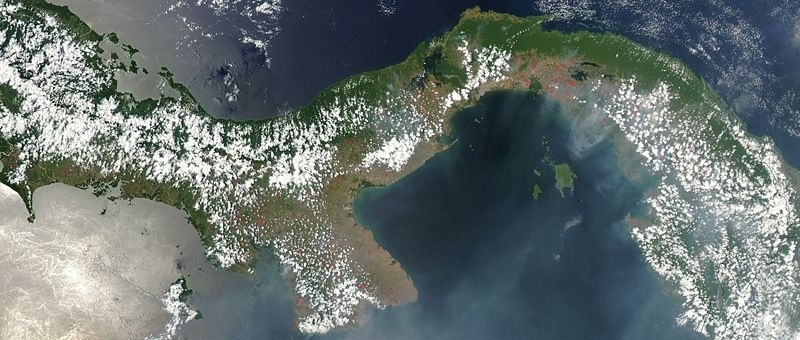

The climate in Panama is predominantly characterized by its tropical nature, marked by abundant rainfall and the soothing influence of coastal breezes. This unique climatic tapestry not only supports a rich biodiversity but also significantly shapes the lifestyle of its inhabitants. Understanding the intricacies of this climate unveils the profound reasons behind the country’s allure and ecological vitality.
At the core of Panama’s climatic conditions is its geographical positioning. Nestled between the Caribbean Sea and the Pacific Ocean, the country experiences a distinct wet and dry season. The wet season runs from May to December, characterized by torrential downpours that often appear dramatically during the afternoons. These downpours are not merely random occurrences; they are the result of the trade winds that sweep across the region, laden with moisture. The eastern side, particularly the Darién region, receives some of the highest rainfall in the world, while the central and western parts may experience more moderate precipitation.
The dry season, conversely, extends from January to April. During this period, the sun predominantly dominates the sky, and humidity levels can significantly lower. Despite the reduction in rainfall, the climate remains warm and humid, with average temperatures oscillating between 24°C to 30°C (75°F to 86°F) throughout the year. This comfortable warmth invites both locals and tourists to revel in the vibrant natural landscapes available across the country.
Another fascinating aspect of Panama’s climate is the impact of the surrounding bodies of water. The coastal breezes play a pivotal role in moderating temperatures and providing relief from the heat. Coastal areas, especially on the Pacific side, are often graced with gentle winds that make beach life invigorating. The phenomenon of sea breezes provides a refreshing atmosphere, while also contributing to the diverse microclimates found within the country. For example, in coastal towns like Bocas del Toro, the climatic conditions foster a distinct ecosystem that supports both marine and terrestrial life, making it a biodiversity hotspot.
The diverse climatic zones found in Panama offer a rich habitat for a myriad of flora and fauna. The tropical rainforest covering a significant portion of the country teems with life, contributing to an impressive collection of over 10,000 species of plants and 1,500 species of trees. This lush ecosystem owes its grandeur to the consistent rainfall and specific temperature ranges that allow vegetation to thrive. The symbiotic relationships formed within these ecosystems are crucial for maintaining environmental balance and stability.
Moreover, the climatic variations across Panama cultivate a wide-ranging agricultural landscape. The nation’s farmers adapt their practices to the rhythms of weather, growing an array of crops including bananas, coffee, and tomatoes. The soil enriched by persistent rainfall and the controlled irrigation from rivers and streams yields fruitful harvests that are essential both for local consumption and export. However, climate change poses an overarching threat, altering precipitation patterns and jeopardizing agricultural productivity. Farmers are increasingly required to develop innovative strategies, such as agroforestry, to sustain their livelihoods and adapt to the shifting climate.
In addition to agriculture, Panama’s climate plays a pivotal role in tourism. The vibrant biodiversity and stunning natural beauty attract countless visitors each year. Tourists engaging in eco-tourism can witness the spectacular interplay of tropical rainforests, pristine beaches, and vibrant wildlife firsthand. The country is dotted with national parks, such as Coiba National Park and Soberanía National Park, which serve as sanctuaries and showcase the significance of climate in forming these biodiverse habitats. Observations of how climate shapes these ecosystems leave visitors with a profound appreciation for the intricate connections between nature and atmospheric conditions.
The unique climatic characteristics also influence the cultural fabric of Panama. Local communities often celebrate the transition between seasons through festivals and rituals, reflecting the intimate relationship they share with their environment. The rhythms of climate dictate agricultural cycles, thereby intertwining cultural identity with ecological realities. Traditional practices such as fishing, farming, and crafting are all deeply rooted in the climatic patterns and have been passed down through generations, emphasizing the importance of environmental stewardship.
Furthermore, urban areas in Panama, particularly Panama City, experience a microclimate due to the urban heat island effect. The concentration of buildings and infrastructure can raise local temperatures compared to surrounding rural areas. In response, urban planners and communities are increasingly aware of the necessity for sustainable development practices that preserve natural habitats while accommodating population growth. Incorporating green spaces and maintaining tree cover in urban settings can mitigate some of the adverse effects of climate change and foster resilience.
In summary, the climate of Panama is a dynamic interplay of tropical rain and coastal breezes, creating an environment that is both nurturing and complex. The relentless cycle of wet and dry seasons not only shapes the landscape but also informs the socio-economic and cultural aspects of life within the country. As global climatic shifts continue to unfold, understanding these local phenomena becomes pivotal for fostering sustainable practices and ensuring the future well-being of Panama’s ecosystems and its people. The enchantment of Panama lies not only in its scenic landscapes but in the delicate balance maintained between human activity and nature’s enduring rhythms.