

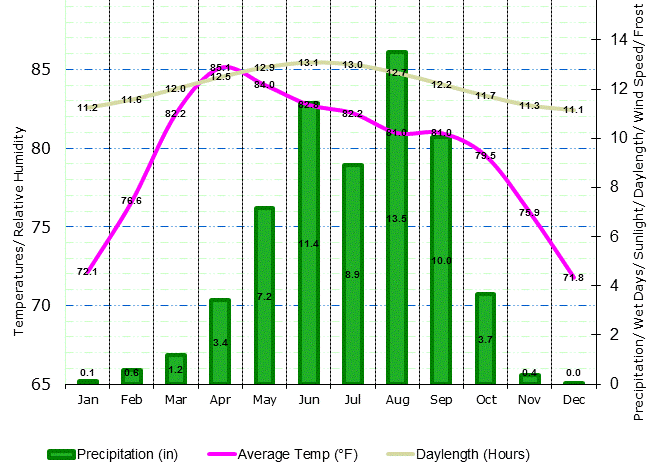

Thailand, a jewel in Southeast Asia, is renowned not only for its rich cultural heritage and vibrant cities but also for its distinctive climate, which plays a pivotal role in shaping its natural landscapes and agricultural practices. As a country largely situated in the tropics, Thailand’s climate is characterized primarily by tropical monsoons and a bountiful amount of sunshine, influencing everything from daily life to the biodiversity of the region.
At the heart of Thailand’s weather patterns lies the tropical monsoon climate, a system that dictates the seasonal rhythms experienced across the nation. This climatic classification, typified by high humidity and distinctive wet and dry seasons, contributes to a unique environmental tapestry that supports an extraordinary array of flora and fauna. The monsoon seasons in Thailand can be broken down into three key periods: the hot season, the rainy season, and the cool season, each bringing its own characteristics and challenges.
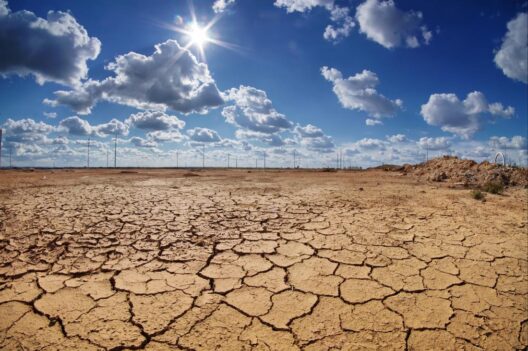
The hot season typically spans from March to May. During these months, the sun reigns supreme, with temperatures soaring to well above 35 degrees Celsius (95 degrees Fahrenheit) in many areas, particularly in the lowland regions. This is a period characterized by intense solar radiation and limited rainfall. Though often perceived as a challenging time, the heat also heralds the vibrant blossoming of plants and crops, particularly those attuned to thrive in higher temperatures. The stark contrast between the searing daytime heat and relatively cooler nights creates a dynamic environment for life that is both fascinating and complex.
Transitioning into the rainy season, which generally lasts from June to October, a remarkable transformation occurs. The southwest monsoon winds sweep across the country, bringing with them heavy precipitation and drastically altering the landscape. During this period, regions experience torrential downpours that can lead to flash floods and landslides, particularly in the northern and northeastern areas. However, this abundance of rainfall is vital for agriculture, replenishing water supplies and nurturing the lush, verdant landscapes that define much of Thailand’s scenery. Farmers depend on this seasonal rain to cultivate rice, fruits, and vegetables, which are crucial to the Thai economy and diet.
Following the rains, the cool season arrives from November to February, providing a welcome respite from the sweltering heat. Temperatures become more temperate, ranging from 20 to 30 degrees Celsius (68 to 86 degrees Fahrenheit), making it an ideal time for outdoor activities and tourism. In many regions, particularly in the northern mountainous areas, the cool season also introduces a remarkable variance in climate, leading to cooler nights and even the occasional frost at higher elevations. This seasonal shift not only creates a comfortable climate for inhabitants but also draws visitors eager to experience the scenic beauty and favorable weather conditions.
One cannot discuss the climate of Thailand without highlighting the impact of geographical diversity on weather patterns. The country’s topography ranges from mountainous regions in the north to flat plains in the central areas, leading to microclimates that differ significantly from one locale to another. In the northern highlands, the climate can be markedly cooler and drier than in the southern beaches, which bask continuously under the tropical sun. This geographical variation fosters a rich biodiversity that is crucial to Thailand’s ecological health, from the mangroves along the coast to the dense jungles inland.
Moreover, the climate not only dictates agricultural practices but also influences cultural traditions and the daily lives of Thai people. Festivals such as Songkran, the Thai New Year, coincide with the onset of the hot season and the thoughts of water usage during the scorching heat become paramount. Flavorful dishes prepared during the rainy season involve fresh produce that flourishes from the bounteous rain, exemplifying the intimate relationship between climate, agriculture, and culture.
Despite the beauty and richness that the tropical monsoon climate bestows, it is important to acknowledge the ongoing concerns related to climate change. Thailand, like many nations, is vulnerable to the effects of global warming, which manifests through erratic weather patterns, increased flooding, and prolonged droughts. These changes pose significant risks to agriculture, food security, and the ecosystem, necessitating urgent action to mitigate the harmful effects of climate change.
The fascination with Thailand’s climate endures not merely because of its sunny disposition or the simple joys of a tropical lifestyle, but rather due to the complexities intertwined with its monsoon mechanisms and the pressing realities of environmental change. This captivating interplay of nature’s power and human adaptability continues to inspire, challenging both locals and visitors alike to understand and appreciate the profound connection between climate, environment, and culture.
In conclusion, Thailand’s climate is a rich mosaic of experiences, shaped by tropical monsoons and the exceptional brilliance of sunshine. Each season brings unique opportunities and challenges, reflecting broader themes of resilience and harmony with nature. As global climate dynamics evolve, the need to preserve and cherish this vibrant climate becomes all the more salient, not just for Thailand but for the sustainability of our planet as a whole.