

The climate of the Netherlands is a defining feature of its geography, culture, and lifestyle. Situated in Northwestern Europe, the country experiences a temperate maritime climate, characterized by relatively mild winters and an abundance of wind. This unique climatic condition profoundly influences agriculture, wind energy generation, and even the daily routines of its inhabitants.
One of the most notable aspects of the Dutch climate is its notorious windiness. The Netherlands is flat and coastal, with expansive open spaces that facilitate the movement of air masses. These winds are primarily driven by the North Sea, which moderates temperatures and contributes to high humidity levels throughout the year. Consequently, it is not uncommon for windy days to be prevalent, particularly during the autumn and winter months. Wind gusts can often reach gale-force strength, making windbreaks a fixture in agricultural practices.
The summer months are typically mild and relatively pleasant, with average temperatures ranging from 20°C to 25°C (68°F to 77°F). The combination of sunshine and rain permits lush vegetation, which is a hallmark of the Dutch landscape. However, expect variability, as occasional heatwaves can push temperatures above 30°C (86°F). The long days of summer provide an opportunity for outdoor activities, drawing locals and tourists alike to the vibrant streets, canals, and parks.
Winter, on the other hand, presents a striking contrast. The Dutch winter season rarely experiences extreme cold, with average temperatures hovering around 0°C to 5°C (32°F to 41°F). However, the dampness coupled with wind can make it feel colder than it is. The climate tends to be overcast and gray, and snowfall is relatively rare but delightful when it occurs. Heating requirements are essential, particularly during the rain-soaked days when temperatures drop further at night.
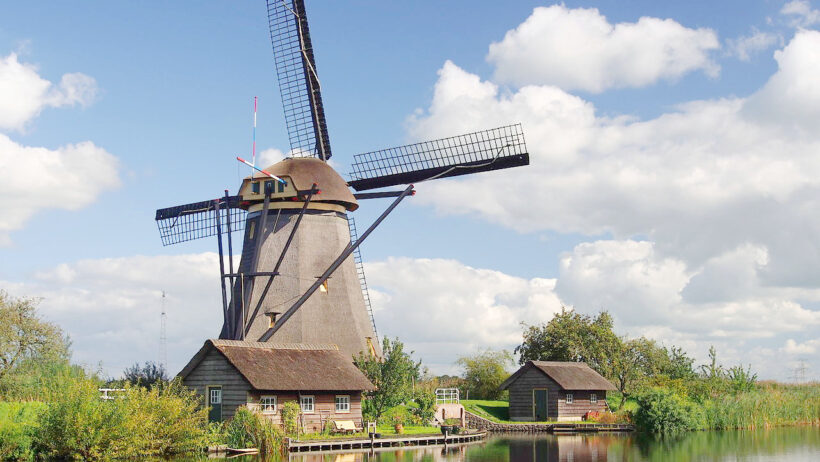
The vital role of wind in the Netherlands cannot be overstated. Wind turbines are a common sight across the countryside, harnessing this renewable energy source to meet a significant portion of the nation’s electricity demand. As of recent years, wind power is crucial in the Dutch government’s renewable energy strategy, with the aim of reducing greenhouse gas emissions and promoting sustainability. This shift not only addresses climate change but also fosters energy independence.
Precipitation in the Netherlands is fairly evenly distributed throughout the year, with average annual rainfall ranging from 700mm to 800mm (27 to 31 inches). Rain showers can be unpredictable, often comprising short but intense bursts that clear as quickly as they arrive. This unpredictability necessitates a lifestyle characterized by adaptability, as residents frequently check local forecasts and prepare for variable conditions.
Climate change poses a unique challenge for the Netherlands, as one of the most densely populated and low-lying countries in the world, with about a quarter of its land below sea level. Rising sea levels threaten the intricate system of dikes and water management in place since the Middle Ages. The country has been at the forefront of flood management innovations, developing advanced techniques for keeping its wetlands and polders safe from inundation.
In addition to direct implications for infrastructure, climate change is likely to influence weather patterns, leading to more severe storms, increased flooding, and prolonged droughts. The agricultural sector, heavily reliant on predictable weather, faces uncertainty as crop yields may be affected. As conditions evolve, Dutch farmers are experimenting with climate-resilient agricultural practices, including crop diversification and adopting sustainable farming technologies.
Some regions within the Netherlands experience specific microclimates that further contribute to the diversity of the country’s climate experience. For instance, areas near the coast often have moderated temperatures due to marine influences, while inland experiences greater temperature fluctuations. The Wadden Sea, a UNESCO World Heritage site, showcases unique ecosystems specifically adapted to fluctuating tides and salinity levels. This biodiversity emphasizes the importance of preserving these habitats amid shifting climate conditions.
Moreover, the cultural fabric of the Netherlands is imbued with weather-related traditions and customs. The Dutch embrace their climate with the concepts of ‘gezelligheid,’ which translates to coziness. It reflects the spirit of gathering indoors during inclement weather, fostering communal bonds. This social aspect shapes local cuisines, as hearty meals become staples during cold and rainy evenings, and seasonal festivities celebrate the unique aspects of the Dutch climate.
In summary, the climate of the Netherlands is a multifaceted entity that encompasses mild winters, windy days, and a dynamic interplay of weather patterns. The dominance of wind not only influences daily life but also represents a vital energy resource in the face of climate challenges. As we continue to grapple with the shifting climate landscape, the Netherlands stands as a testament to resilience and innovation in pursuit of sustainability. Its unique climatic conditions not only affect agriculture and energy generation but also shape cultural traditions that reinforce community and togetherness.