



The Northeast region of the United States is renowned for its variable climate, characterized by crisp autumns and snowy winters. This topography, comprised of mountains, valleys, and coastal plains, provides a diverse array of microclimates, contributing to the rich biodiversity and the distinct seasonal changes that define the area. Understanding the climate in this region requires a closer examination of its temperature variations, precipitation patterns, and the ecological impacts that ensue.
As one marvels at the transition from summer into fall, the Northeast unveils its resplendent foliage. The climate contributes significantly to the vibrant spectrum of colors, as sugar maples, oaks, and birches display their fiery reds, oranges, and yellows. Typically, by late September, the temperature begins to dip, heralding the arrival of autumn. Average highs in this period range from 60°F to 70°F, depending on the specific location within the Northeast. With each passing day, as daylight wanes, the cooler air invigorates the landscape and invites outdoor enthusiasts to engage in hiking, leaf-peeping, and harvest-related activities.
As October progresses, the symbolism of crisp air and falling leaves becomes pivotal. Frost often blankets the ground during this period, signaling the impending transition toward the harsher conditions of winter. The region’s climate is characterized by a continental climate classification, which is characterized by four distinct seasons. Consequently, residents and visitors alike anticipate the winter months, which usher in a bewitching transformation of the environment.
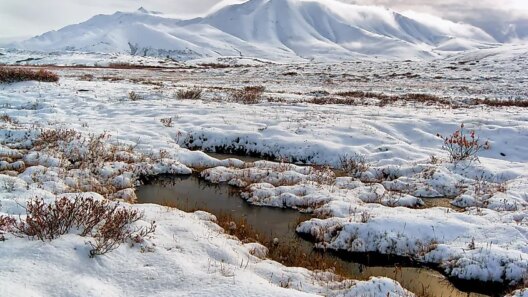
Winter in the Northeast is synonymous with snow. The average snowfall varies considerably, with areas northwest of the Appalachian Mountains receiving substantial accumulations that can exceed 100 inches annually, while coastal regions might experience milder conditions. Snow usually falls between November and March. The season is marked by frigid temperatures, with January often being the coldest month where lows can plunge to below 20°F. These conditions create ideal settings for various winter sports, such as skiing, snowboarding, and ice skating, making the region a winter wonderland for adventure seekers.
However, winter is not merely a backdrop for recreational activities; it also holds significant ecological importance. The cold weather can influence the life cycles of many species. For example, some animals hibernate, while others adapt by growing thicker fur or migrating to warmer locales. The region’s flora, too, goes through transformative processes, entering a dormancy phase that allows it to conserve energy and resources until the return of spring.
Hydrologically, the winter months pose significant challenges. The periodic freeze-and-thaw cycles can lead to ice jams in rivers and streams, creating localized flooding and impacting aquatic ecosystems. Additionally, the snow melt in early spring is crucial for replenishing water supplies, affecting both human consumption and ecological health, as it provides sustenance for the region’s diverse flora and fauna.
As winter yields to early spring, the Northeast gradually warms, with a noticeable resurgence of life. The thawing snows lead to swollen rivers and blooming landscapes. In March and April, temperatures begin to elevate, often fluctuating between 40°F and 60°F. This transitional period is marked by an invigorating surge of growth across both vegetation and wildlife, as migratory birds return, and trees begin to bud. However, this season can be unpredictable; late frosts are not uncommon, and, occasionally, the region may experience “April snow,” a phenomenon that underscores the unpredictable nature of climate change and its impacts.
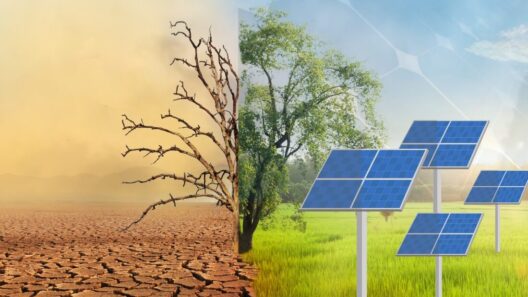
Moreover, climate change increasingly affects the Northeast’s weather patterns. With global warming, an uptick in extreme weather events such as heavy rainfall, flooding, and heatwaves has been observed. These shifts can compromise both ecosystems and human infrastructure, altering habitats and disrupting seasonal cycles. Scientific studies illustrate a trend toward warmer temperatures throughout the year, which may lead to shifts in plant and animal populations, as species attempt to adapt to the changing environment.
As communities in the Northeast adapt to these climatic challenges, efforts such as sustainable urban planning and green infrastructure become pivotal in mitigating potential deleterious effects of climate change. Transitioning to renewable energy sources and enhancing public awareness about environmental conservation play an integral role in safeguarding the region’s ecological integrity.
In summary, the climate of the Northeast region encapsulates a fascinating interplay of seasonal dynamics, characterized by crisp falls and snowy winters. The distinctive features of this climate not only offer a rich tapestry of natural beauty and recreational opportunities but also pose significant environmental considerations. As climate change continues to influence weather patterns, the need for resilience and adaptability becomes imperative in ensuring the sustainability of this vibrant region for generations to come.