


The climate of Brazil is as intricate and diverse as the nation itself, offering a wealth of ecological systems, each with its own characteristics. Encompassing vast rainforests, expansive savannas, and a long coastline that kisses the Atlantic Ocean, Brazil is a veritable tapestry of climatic variations that merit exploration. This examination will delve into the complexities of Brazil’s climate, particularly its tropical rainforests and the coastal breezes that define much of its environmental framework.
Brazil is renowned for its tropical rainforests, particularly the Amazon, which is often regarded as the “lungs of the Earth.” This biome epitomizes the classic tropical climate characterized by high humidity, substantial precipitation, and warm temperatures. The Amazon region is nurtured by an average annual rainfall ranging from 60 to over 100 inches, creating an environment that sustains an unparalleled diversity of flora and fauna. The juxtaposition of towering trees, creeping vines, and myriad understory plants cultivates a complex ecological web. The microclimates formed under the canopy can vary dramatically; while the forest floor may be dimly lit and humid, the upper canopy basks in the sunlight.
Yet, the significance of Brazil’s tropical climate extends beyond mere beauty. The Amazon rainforest plays a pivotal role in regulating global climate patterns. It acts as a carbon sink, absorbing vast amounts of carbon dioxide, which mitigates atmospheric warming. Unfortunately, deforestation and climate change imperil this balance. Understanding the tropical climate requires acknowledging the fragility of this ecosystem. The interdependence of rainfall, temperature, and vegetation creates a microcosm that can be easily disrupted by anthropogenic activities.
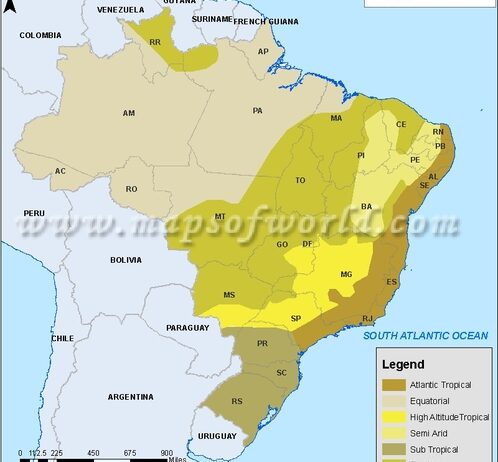
Brazil’s climatic conditions are not uniform; there is a marked variation from the equatorial regions to the southern subtropical zones. The north experiences a more constant tropical climate, while the southeast and south regions are subjected to a mix of tropical and temperate climates. In these southern areas, winters can introduce cooler temperatures, even facilitating the occurrence of frost in the southernmost parts, such as in the state of Rio Grande do Sul. This climatic dichotomy facilitates a broad spectrum of agricultural practices, encouraging the cultivation of diverse crops ranging from coffee and soybeans to rice and wines, each harmonizing with their local climate.
The interplay between Brazil’s topography and its climatic conditions is instrumental in forming distinct weather patterns. Coastal breezes particularly impact the climate of Brazil’s vast shoreline. The vast Atlantic Ocean interacts with the continent in a remarkable dance, leading to significant climatic phenomena. The coastal regions often enjoy milder temperatures compared to inland areas. Here, trade winds sweep across the coastline, carrying moisture that contributes to rainfall patterns while cooling the air, which creates a desirable microclimate for tourism and agriculture alike.
Particularly in cities such as Rio de Janeiro and Salvador, coastal breezes provide a refreshing reprieve from the heat. The tropical maritime climate of these areas is characterized by warm, humid summers and mild winters, making them prime locations for both tourism and habitation. However, the coastal regions are not immune to the effects of climate change, often facing challenges such as increased sea levels and extreme weather events. This necessitates adaptive strategies to safeguard both the natural ecosystems and the communities that inhabit these coastal zones.
Moreover, Brazil’s distinct climate variations are also influenced by seasonal rhythms. The wet and dry seasons characterize much of the country, with the Amazon facing a heavy wet season traditionally between December and May, while other regions experience their rain in the southern hemispheric summer months. The distinct wet season is marked by thunderstorms and unpredictable weather, while the dry season promotes agricultural activity as soils are less saturated. For farmers, understanding these seasonal shifts can mean the difference between a bountiful harvest and a drought-stricken year.
Climate extremes present further challenges. The effects of climate change are potent, as erratic weather patterns lead to intensified droughts in certain regions while others become prone to catastrophic flooding. For example, the northeastern regions of Brazil have been particularly vulnerable to prolonged droughts, which exacerbate issues related to water scarcity. These changes prompt questions about the sustainability of agricultural practices and overall resource management in regions increasingly affected by global climatic shifts.
Innovative strategies must be adopted to navigate Brazil’s evolving climate landscape. Sustainable practices such as agroforestry, reforestation, and preservation of existing ecosystems are vital. They serve not only to combat climate change but also to restore ecological balance. Local communities, often on the front lines of climate impacts, must be engaged in fostering resilience and adaptability through education and resource sharing. Empowering these communities fosters a sense of stewardship over their environmental resources, enabling a collaborative effort in the face of challenging climatic dynamics.
In conclusion, Brazil’s climate, shaped by tropical rainforests and coastal breezes, is a testament to the beauty and complexity of our planet’s ecological systems. The interconnectedness of various climatic zones offers both challenges and opportunities. By cultivating a deeper understanding of these dynamics and the pressing impacts of climate change, we can reframe the narrative and foster proactive engagement in sustainability efforts. A paradigm shift in our relationship with the environment could yield profound benefits, not only for Brazil but for global ecological health as well.