

Chicago, famously known as the Windy City, boasts a diverse climate that varies significantly throughout the year, characterized by its four distinct seasons. The city’s meteorological phenomena are influenced by its geographical placement along the southwestern shore of Lake Michigan, which play a pivotal role in shaping its weather patterns. This extensive analysis will delve into the specifics of Chicago’s climate, dissecting each season, the implications of variable weather conditions, and the overarching climatic trends that the city faces.
**Spring: A Transformative Awakening**
March marks the beginning of spring in Chicago, when the frosty grip of winter gradually releases its hold. Early spring can be quite capricious; temperatures often fluctuate between chilly, wintry days and unseasonably warm periods as the city transitions. The average highs in March hover around 50°F (10°C), incrementally increasing to the mid-60s°F (approximately 18°C) by May. Rainfall becomes more frequent, contributing to the revitalization of flora, although it can also lead to sudden thunderstorms. The juxtaposition of warming weather against sporadic cold spells can foster a dynamic atmosphere, illustrating the unpredictable nature of early spring.
As the season progresses toward late April and May, the vigor of life returns to parks and gardens, transforming the urban landscape. This period is often marked by the blossoming of cherry trees and vibrant tulips, further invigorating public spaces. However, residents should remain cognizant of the potential for severe weather, including thunderstorms accompanied by hail and strong winds, which are characteristic of the season.
**Summer: The Searing Heights**
Summer in Chicago, spanning from June through August, is characterized by sultry heat and higher humidity levels. Average high temperatures often reach the upper 80s°F (around 30-32°C), and the heat index can propel it even higher, creating stifling conditions. The proximity of Lake Michigan not only provides a cooling influence but also contributes to humidity, resulting in sweltering days and warm nights.
Typical summer weather includes afternoon thunderstorms caused by warm, moist air rising into cooler upper atmospheres. These thunderstorms can be intense, producing heavy rainfall and occasional tornadoes. Chicago’s well-known lakeside festivals and outdoor events flourish during this season, yet citizens must remain vigilant regarding heat advisories and thunderstorms.
Urban heat islands, created by extensive concrete and asphalt surfaces, can exacerbate local temperatures. The city has implemented various strategies to mitigate heat impacts, including green roofs and urban forestry initiatives. Creating shaded areas not only enhances the quality of life but also aims to combat climate change and improve air quality in densely populated zones.
**Autumn: A Kaleidoscope of Colors**
As summer wanes, Chicago experiences the temperate embrace of autumn, showcased by a spectacular display of foliage as trees transition to hues of red, orange, and gold. This season, running from September to November, encompasses a steady decline in temperatures, with averages dipping from the high 70s°F (around 25°C) in September to the crisp low 40s°F (approximately 5°C) by November.
September frequently features pleasant weather, making it ideal for outdoor activities. However, as October approaches, weather patterns become more erratic. The emergence of cold fronts may bring about the first frosts, signaling the imminent approach of winter. Chicagoans often enjoy outdoor festivals that celebrate the harvest season, but must prepare for the unforeseen chill and rain that may accompany the transition toward winter.
**Winter: The Chill of Resilience**
Winters in Chicago are notoriously frigid, characterized by biting winds, snowfall, and plunging temperatures. Adopting a resilient spirit, residents face winter from December through February, with average lows that can drop into the single digits (-13°C to -2°C). The phenomenon known as “lake-effect snow” occurs when cold air passes over the warmer waters of Lake Michigan, generating heavy, localized snowfall—especially in the city’s southern and eastern regions.
Amidst the chilling landscape, life continues unabated. Chicago embraces winter with a multitude of festivities, including ice skating at Millennium Park and the renowned Christkindlmarket, showcasing holiday spirit. The city’s infrastructure is equipped to handle snow removal, though heavy storms may still disrupt daily life, leading to school closures and transportation challenges.
**Climate Change and Future Considerations**
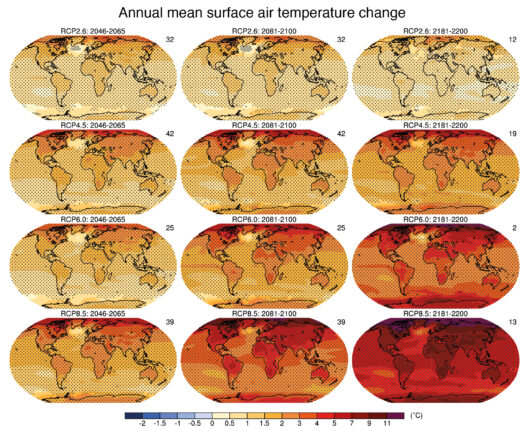
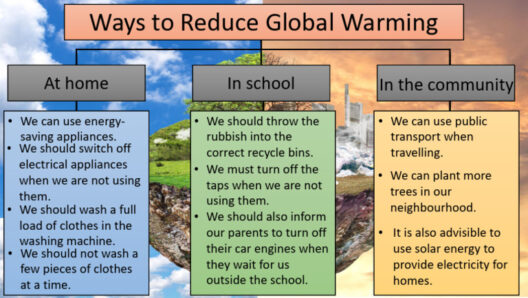
The implications of climate change pose significant challenges for Chicago, as increased variability in weather patterns can result in more intense seasons, rising temperatures, and altered precipitation patterns. Urban areas are particularly susceptible due to factors such as heat islands and extensive infrastructure that can exacerbate climate impact. The city is actively engaged in climate resilience initiatives, including energy efficiency projects and sustainable urban planning, which aim to mitigate the effects of climate change while preserving public health and safety.
Moreover, understanding the complexities of climate patterns can aid in effective planning and resource management, ensuring Chicago remains an adaptable and vibrant city amidst changing environmental parameters. Enacting policies that promote sustainability and community engagement is essential for fostering a culture of environmental awareness and action.
In summation, the climate of Chicago encapsulates a spectrum of weather experiences, reflective of its geographical intricacies and seasonal rhythms. As the city navigates through the intricacies of its four-season climate, its residents embody a spirit of resilience, adapting to and celebrating the diverse weather patterns that define life in the Windy City.