

Forests are not merely collections of trees; they are intricate ecosystems, rich tapestries woven together by countless interdependent threads. At the heart of these vibrant biomes lies an essential concept: forest climate. This term encapsulates the unique weather conditions that nurture woodland realms, shaping the growth of flora and fauna and ultimately influencing global climate patterns. Understanding forest climate is akin to deciphering the very soul of the woods, for it embodies the atmospheric symphony that orchestrates life within these verdant sanctuaries.
Climate, in general, is the long-term pattern of weather experienced in a particular region, influenced by a multitude of factors, including geographical location, topography, and altitude. However, forest climate denotes the specific atmospheric conditions prevailing within wooded areas, where tree canopies regulate temperature and humidity, cloaking the undergrowth in a microclimate of their own making. The interplay of sunlight, precipitation, and wind forms an intricate ballet, with each element contributing to the overall health and sustainability of the forest ecosystem.
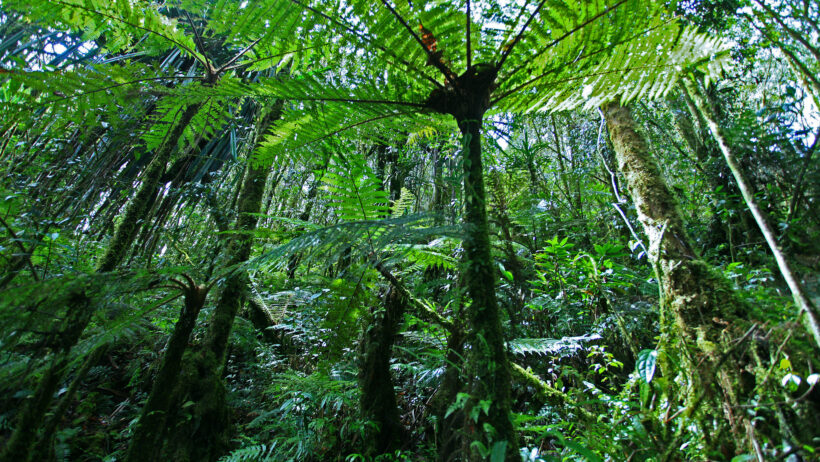
Precipitation is one of the most pivotal components of forest climate. Rainfall nourishes the soil, percolating down through layers of leaf litter and roots, carrying with it vital nutrients that sustain growth. Consider the forest as a lavish banquet hall where every drop of rain acts as a well-placed dish, contributing to a feast of life. In tropical rainforests, where dramatic downpours are commonplace, the abundance of moisture fuels the diversity of species, with towering trees and delicate ferns existing side by side in a delicate equilibrium. The juxtaposition of lush greenery with the rapid decay of organic matter fosters a thriving environment, rich in biodiversity.
Moreover, the canopy plays a significant role, acting as a protective barrier that intercepts sunlight and modulates temperatures. It does not merely provide shelter; it also creates shelter. The trees engage in a mutualistic relationship, their branches intertwined like friends in a tightly clasped embrace, reducing the velocity of wind and mitigating the extremes of temperature within the forest. Beneath this green cathedral, life flourishes despite the chaotic weather beyond, showcasing how forest climate harbors resilience against the variability of external conditions.
Temperature is another crucial factor influencing forest climate. The thermal characteristics of a forest differ significantly from those of its surrounding landscape. In a secluded woodland, the diurnal temperature variation (the difference between day and night temperatures) is often far less pronounced. This stability creates a haven for organisms sensitive to temperature fluctuations. Here, even the slowest growth of saplings can qualify as a testament to tenacious will amidst formidable odds. Trees, in their stoic defiance against the seasons, showcase their remarkable adaptations to their environment, establishing a timeless narrative of survival.
The phenomenon of transpiration also plays a vital role in forest climates. Trees transpire water vapor from their leaves, a process that not only aids in nutrient absorption but also moderates local humidity levels. The air within the forest remains imbued with this moisture, weaving a tapestry of life that ensures the flourishing of various organisms, from the most intricate fungi to the humblest insects. This regulation of humidity is critical; it is the very breath of the woods, keeping the forest vibrant and resilient against droughts.
Wind, too, is an underappreciated architect of forest climate. The movement of air across the tree tops serves multifaceted purposes: it disperses seeds, facilitates pollination, and influences microclimate conditions. When the wind whispers through the branches, it carries stories of distant landscapes, of warmer and cooler hopes. Through this gentle anxiety, trees communicate, forging connections with the Earth and the sky, reminding us of their broader role within the planet’s ecological framework.
Yet, the forest climate is not just an isolated phenomenon. It exists within a delicate balance with anthropogenic influences. Climate change, driven largely by human activity, threatens to disrupt this harmony. Rising global temperatures alter precipitation patterns, while deforestation reduces the capacity of forests to act as carbon sinks. As the canopy recedes, the integrity of the forest climate weakens, inviting encroaching drought and imbalanced ecosystems, which can create a cascade of negative impacts on the organisms that depend on forests for survival.
In light of these threats, conservation efforts are imperative. Protecting and restoring forest ecosystems is not solely about preserving the aesthetic beauty of nature; it is about safeguarding the intricate web of life that thrives within. Every forest preserved is a testament to resilience, a bastion of biodiversity that nurtures future generations. The uniqueness of each forest climate provides a critical insight into our planet’s health and its capacity to sustain life as we know it.
In conclusion, forest climate is a profound testament to the interconnectedness of life. It encapsulates the interactions between abiotic and biotic components, revealing the intricate dance of weather that nurtures the woods. Understanding this delicate balance allows humanity to appreciate forests not just as natural resources, but as essential allies in our battle against climate change and environmental degradation. The metaphors of nurturing, protection, and resilience define forest climates, inviting us to embrace an ethos of stewardship for these magnificent ecosystems.