


Kenya, a land rich in biodiversity and cultural heritage, is often described as a microcosm of climates. The nation, straddling the equator, presents a compelling juxtaposition of equatorial heat and the coolness of its highlands. Understanding Kenya’s climate is akin to deciphering the nation’s complex tapestry woven from its diverse geographical features, be it the expansive savannahs, majestic mountains, or vibrant ecosystems.
Being situated on the equator, Kenya experiences unique meteorological phenomena that set it apart from other regions of the world. The climate here can be metaphorically likened to a grand symphony, wherein each section plays its part, contributing to a harmonious balance that defines the environmental character of the country. This symphony of climates creates a rich palette of ecological niches, from arid deserts to lush highlands, each with its own distinct rhythm and tempo.
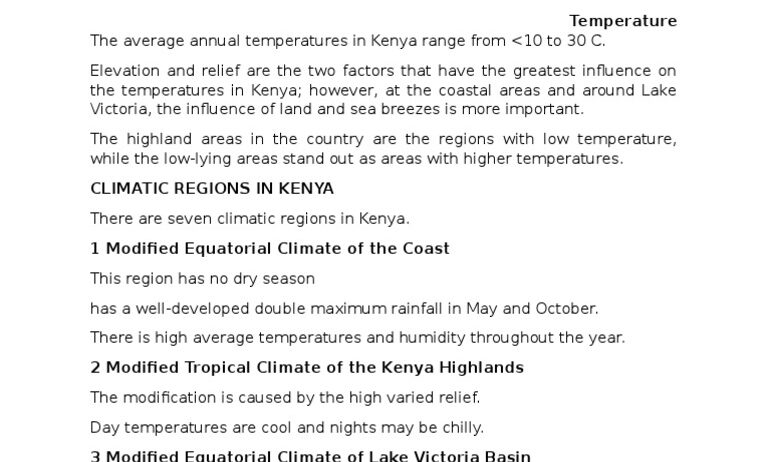
Kenya’s climate is predominantly classified into two distinct zones: the tropical coastal climate and the temperate highland climate. Along the coast, one can witness a typical tropical setting characterized by warm air suffused with moist sea breezes, fostering vibrant ecosystems along the shores. The coastal region, where the Indian Ocean caresses the land, witnesses significant precipitation, especially from March to May. Here, life thrives with fervor, as verdant mangroves and coral reefs create a haven for countless marine species.
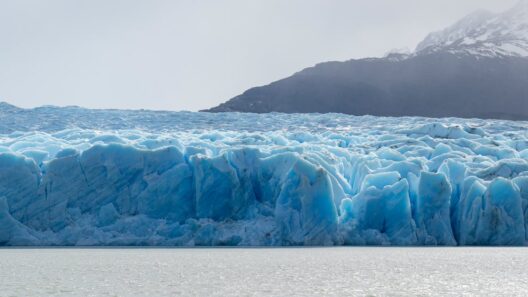
As we move inland, the landscape transforms dramatically. The Great Rift Valley serves as a crucial geographical divider, ushering in a cooler, temperate climate in the highlands. The Western highlands experience a more temperate climate that affords refreshing coolness, especially during the evenings. This contrasts sharply with the oppressive heat of the low-lying areas. The soil, enriched by volcanic ash, is fertile and supports an array of agriculture, making this region the breadbasket of the nation. The mountains, such as the formidable Mount Kenya, rise majestically, encapsulating ice and snow at their peaks, a poignant reminder of the delicate balance between warmth and cold.
Kenya’s climate oscillates between two primary seasons: the dry and the rainy seasons. The short rains typically occur from October to December, while the long rains grace the land from March to May. These periods of precipitation are vital for sustaining the myriad ecosystems, facilitating a burst of life that is both spectacular and essential. Farmers eagerly await the rains as their hopes for abundant harvests hinge upon these cycles. The very essence of survival in Kenya’s rural areas intertwines with the behavior of the clouds overhead, metaphorically tied to their fortunes.
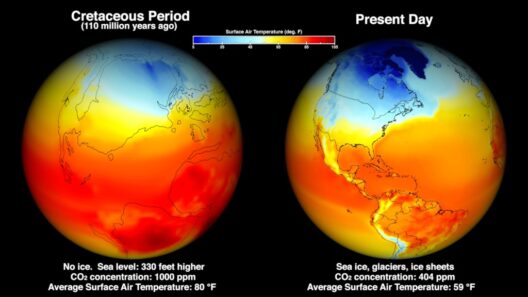
This cyclical rhythm, however, is not without its perturbations. Climate change presents a daunting specter as rising global temperatures alter rainfall patterns and exacerbate the severity of drought conditions. The once-dreamy rains may transform into mere whispers, affecting agriculture, water supply, and ultimately, the livelihoods of millions. As temperatures soar, the highland coolness becomes an ever-distant memory, causing concern for the ecological balances that have existed for millennia. The encroaching heat serves as an ominous indication of the fragility of this environment.
Within the unique climatic matrix of Kenya, distinct regions boast their own microclimates. The arid northern regions, characterized by the semi-desert climate, house some of the country’s most iconic wildlife. The resilience of species such as the Grevy’s zebra and various antelope adapted to these conditions illustrates the remarkable tenacity of life amidst seeming desolation. Conversely, the lush, rainforest-clad slopes of the Aberdare Range revel in a wealth of biodiversity unseen in drier locales, establishing a sanctuary for endemic species like the bongo antelope.
The interplay of elevation and climate is particularly noteworthy in regions like the Central Highlands, where one can traverse through diverse microclimates within mere kilometers. From the sun-drenched plains to the mist-draped hills, these shifts create a landscape of striking contrasts. The biodiversity within these transitions beckons explorers to seek out the myriad forms of life, each a testament to the evolutionary prowess influenced by the climatic variations.
Kenya’s varied climate not only nurtures an abundance of wildlife but also enriches human culture and livelihoods. Traditional pastoralism thrives in arid regions, where communities have evolved intricate systems of nomadic herding, led by the rhythms of rain and the seasons. In contrast, settled agricultural communities utilize the fertile highlands, cultivating crops that flourish under cooler temperatures, thus epitomizing the adaptability of human ingenuity to the climatic context. The interplay of climate and culture forms an essential narrative in the storytelling fabric of Kenya.
In summary, Kenya’s climate embodies a rich dichotomy, offering both equatorial heat and highland coolness. This multifaceted character not only shapes the land but also influences the lives of those who inhabit it. Emphasizing the interplay of diverse environments, this narrative underscores the importance of acknowledging and protecting the delicate balance of Kenya’s ecosystems amid the pressing challenges of climate change. By understanding and valuing the intricate relationship between climate and life, we foster an appreciation for the beauty and fragility of this remarkable corner of the world.