



Magnetic energy conservation, a concept often overlooked in discussions surrounding energy efficiency, encompasses a fascinating intersection of physics, technology, and environmental stewardship. From renewable energy sources to sustainable living practices, magnetic energy plays a pivotal role in conserving power. This article delves into the intricacies of magnetic energy conservation, exploring its principles, implementations, and implications for a greener future.
Understanding Magnetic Energy
At its core, magnetic energy is the potential energy stored within magnetic fields. This energy is produced by the movement of magnetic poles, a phenomenon that underscores the fundamental laws of electromagnetism. The interaction between magnetism and electricity enables a plethora of technologies, including electric motors, generators, and transformers. As these devices operate, they transform magnetic energy into mechanical or electrical energy, subsequently facilitating energy-efficient processes.
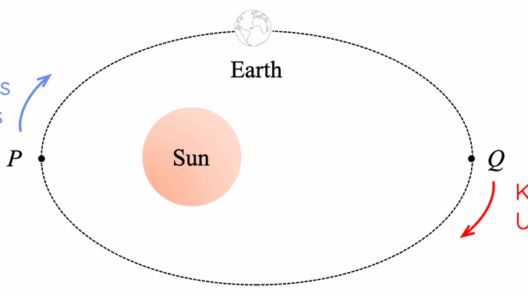
The conservation of energy principle states that energy cannot be created or destroyed, only transformed from one form to another. Magnetic energy conservation embraces this principle within its framework. The objective is to maximize the utility of magnetic energy while minimizing waste, thus contributing to a more sustainable energy paradigm.
Types of Magnetic Energy Technologies
In the realm of magnetic energy conservation, several technologies stand out, each offering unique benefits and applications:
- Permanent Magnets: These materials retain their magnetic properties without external power. Used in motors and generators, permanent magnets enable significant energy savings by reducing reliance on electrical input, thereby enhancing overall efficiency.
- Superconducting Magnets: Employed in advanced applications like Magnetic Resonance Imaging (MRI) and high-speed trains, superconducting magnets operate with zero electrical resistance. This characteristic minimizes energy loss, ensuring that the system operates with maximum efficiency and minimal waste.
- Magnetic Energy Storage Systems (MESS): These systems utilize the principles of magnetism to store and release energy when needed. MESS can help balance supply and demand in energy grids, optimizing resource distribution without the extensive carbon footprint associated with traditional energy storage methods.
Applications in Renewable Energy
One of the most compelling aspects of magnetic energy conservation lies in its applications within the renewable energy sector. Wind turbines, for example, often harness magnetic fields to convert kinetic energy into electricity. The innovation of direct-drive generators eliminates the need for conventional gearboxes, significantly enhancing efficiency and reducing maintenance costs.
Moreover, solar energy systems frequently integrate magnetic technology to enhance energy conversion processes. By utilizing magnetic fields, these systems can improve the extraction of electricity from photovoltaic cells, thereby maximizing output and ultimately promoting energy conservation.
Magnetism in Energy Transportation
Transportation is another critical facet where magnetic energy conservation emerges as transformative. Magnetic levitation (maglev) trains, which utilize powerful magnets to lift and propel trains above the tracks, represent a significant leap in energy efficiency. The absence of friction results in reduced energy consumption, drastically increasing speed and lowering emissions.
Additionally, the implementation of magnetic systems in electric vehicles (EVs) contributes to energy conservation. Electric motors, powered by magnetic fields, convert electric energy into motion with extraordinary efficiency, significantly lessening the vehicle’s overall carbon footprint. The continued innovation within this sector anticipates even greater improvements in performance and sustainability.
Benefits of Magnetic Energy Conservation
The adoption of magnetic energy conservation technologies carries several notable advantages:
- Enhanced Efficiency: By reducing energy losses through advanced magnetic systems, industries can significantly lower operational costs while improving productivity.
- Reduced Environmental Impact: Decreasing reliance on fossil fuels through magnetic energy applications helps mitigate greenhouse gas emissions, contributing to the fight against climate change.
- Resource Optimization: Magnetic technologies enhance the sustainability of resource extraction and energy systems, promoting a circular economy model where resources are utilized effectively and efficiently.
Challenges and Future Prospects
Despite its numerous advantages, the widespread implementation of magnetic energy conservation does face challenges. The cost of developing and deploying sophisticated magnetic technologies can be substantial, necessitating investment in research and development. Moreover, public awareness and acceptance of these technologies remain crucial for their successful integration into everyday applications.
Looking ahead, continued innovations in material science, coupled with advancements in magnetic technology, promise to revolutionize energy conservation methods. As researchers explore novel materials and methodologies, the potential for magnetic energy conservation systems to become mainstream solutions appears increasingly viable.
Conclusion
Magnetic energy conservation presents a multifaceted opportunity for enhancing sustainability in energy consumption across various sectors. By harnessing the principles of magnetism, technology can drive efficiency, reduce waste, and facilitate a transition away from conventional energy sources. The trajectory towards a more sustainable future relies heavily on the commitment to innovative practices, including magnetic energy conservation, which stands to make a substantive impact in the collective quest for environmental stewardship.