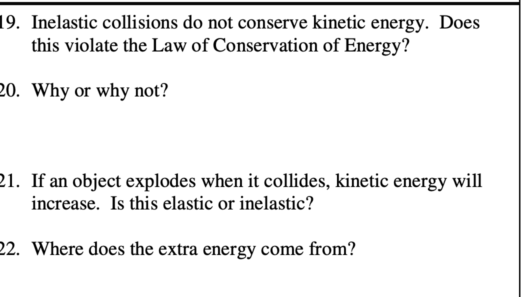


The phrase “energy always conserved” encapsulates a fundamental principle of physics: the law of conservation of energy. This principle asserts that energy cannot be created or destroyed; it can only be transformed from one form to another. This concept is not merely an abstract idea confined to theoretical discussions; rather, it has profound implications for our understanding of the universe, the natural world, and the systems we inhabit.
To grasp the essence of energy conservation, one must first understand the various forms that energy can take: kinetic, potential, thermal, chemical, electrical, and nuclear, among others. Energy permeates every aspect of our lives and the universe. For instance, kinetic energy—the energy of motion—can be observed in a rolling ball or flowing water, while potential energy is stored energy, as found in a compressed spring or a lifted object poised to fall. The transformation between these forms is what exemplifies energy conservation. When you observe a pendulum swinging, it reaches its height with potential energy, only to convert that energy to kinetic as it descends.
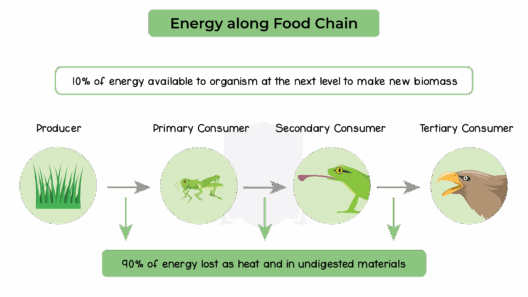
Energy transformation is inherent in countless natural processes. Consider the photosynthesis performed by plants; sunlight is captured and converted into chemical energy stored in glucose. This energy fuels the plant’s growth and, ultimately, the entire food chain. Herein lies the interconnectedness of life, where energy flows through ecosystems, demonstrating the conservation principle on a grand scale.
The implications of energy conservation extend beyond natural phenomena; they resonate deeply in the realm of technology and human endeavor. The engines that power our vehicles, the turbines generating electricity, and even the batteries that store energy all operate under the same fundamental principle. When fuel is burned to power a car, chemical energy is converted to kinetic energy, allowing for movement. No energy is lost; instead, it is merely transformed, emphasizing the importance of understanding how energy resources are utilized and managed.
Nevertheless, human activities often challenge the balance of energy conservation. Inefficient energy use, wasteful practices, and reliance on non-renewable energy sources have led to detrimental environmental consequences. Hence, advancing our perspective on energy conservation becomes paramount. By examining our consumption patterns and embracing sustainable practices, society can honor this fundamental law. The shift from fossil fuels to renewable sources such as solar, wind, and hydroelectric power exemplifies a conscious effort to maintain energy conservation while mitigating environmental damage.
As we delve deeper into the implications of energy conservation, we encounter the concept of entropy, introduced by the second law of thermodynamics. This law posits that in any energy transformation, there will be a degree of energy lost as heat, resulting in increased entropy. Entropy is a measure of disorder, and while energy is conserved in total, the quality of energy tends to degrade over time. This nuance adds complexity to our understanding of conservation. It urges us to consider not just the quantity of energy we consume but its quality and the efficiency of its use.
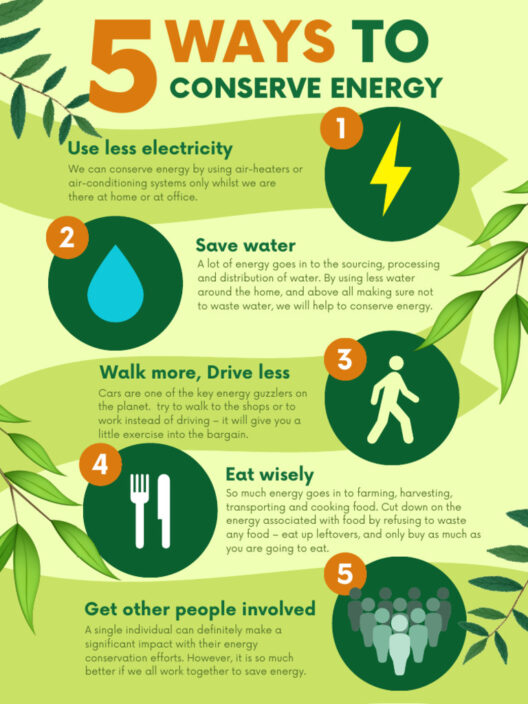
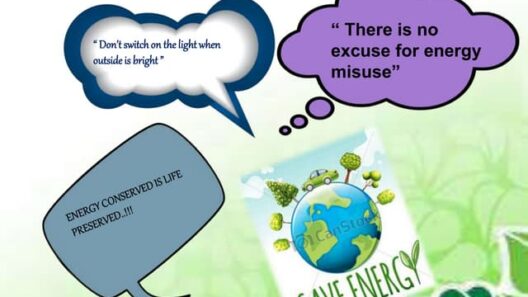
To further pique curiosity, one might ask: How can we, as individuals, contribute to the preservation of energy? Simple daily choices can resonate through larger systems: turning off appliances when not in use, using energy-efficient bulbs, and opting for public transport or cycling instead of cars. Moreover, collective actions, such as supporting legislation aimed at reducing carbon emissions and investing in renewable energy infrastructure, catalyze significant shifts toward sustainability.
Incorporating energy conservation practices not only preserves resources for future generations but also fosters a cultural shift in how we perceive our relationship with energy. We begin to appreciate that every action has far-reaching consequences. A community committed to energy conservation cultivates awareness and responsibility, driving innovation and collaboration.
Moreover, the conversation around energy is evolving. Recent advancements in technology, such as smart grids and energy storage systems, promise to enhance energy efficiency and conservation further. Smart meters allow consumers to monitor energy usage in real-time, enabling informed decisions that reduce consumption. This digital transformation signifies a paradigm shift towards energy stewardship, rendering users more conscious of their impacts.
However, embracing conservation requires a multifaceted approach that transcends technology. Education plays a pivotal role in fostering an understanding of energy principles. When individuals comprehend the significance of energy conservation, they become advocates for responsible practices. Schools, communities, and organizations must integrate sustainability and conservation into educational curricula, cultivating a mindful generation equipped to navigate future energy challenges.
Ultimately, the phrase “energy always conserved” acts as a reminder of our planet’s fragility and the vital interconnectedness between energy use and environmental health. As stewards of our environment, it becomes our prerogative to harness energy wisely, ensuring we mitigate the impact of our activities on the earth. By embracing energy conservation not merely as a rule of physics but as a guiding principle for everyday life, we can enact meaningful change.
In conclusion, understanding energy conservation opens doors to a wealth of knowledge and responsibility. It invites exploration, urging us to rethink our relationship with the energy we consume. This journey propels us toward a sustainable future, enriching our lives while preserving the integrity of our planet. In a world rife with challenges, the tenets of energy conservation hold not only answers but also a path forward—a promise of coexistence between humanity and nature.