


Mild climates embody the ethereal balance between warmth and coolness, creating a veritable Eden on Earth. Defined by moderate temperature ranges and gentle precipitation, mild climate zones beckon with their inviting weather and lush landscapes. These regions often elicit a sense of tranquility and a profound appreciation for nature’s artistry. They are temperate sanctuaries where the environment fosters an array of biodiversity, enhancing both ecological richness and human experience.
The attributes that characterize mild climates vary but generally encompass areas with an average annual temperature ranging from 50°F to 68°F (10°C to 20°C). Such regions experienced precipitation that is neither excessive nor scant, often resulting in a fertile substratum for flora and fauna to flourish. Beyond mere thermodynamics, mild climates are like the goldilocks of atmospheric conditions; not too hot, not too cold, but just right for various life forms to thrive.
Regions classified as having mild climates include Mediterranean zones, maritime climates, and certain temperate continental areas. The Mediterranean is perhaps the most celebrated of these, famed for its stunning landscapes, bountiful agriculture, and charismatic communities. Enveloped in a sultry embrace of warm, dry summers and mild, wet winters, places like Southern California and coastal regions of Southern Europe, such as Spain and Italy, allure visitors with their herb-draped hills and olive groves swaying in the soft Mediterranean breeze.
Nevertheless, mild climates are not confined to Mediterranean realms. The maritime climate, found in regions like the Pacific Northwest of the United States and parts of Northern Europe, showcases oceanic influences that harmonize with temperate weather. Here, the moderate air currents act like a soothing balm, offering a perpetual whisper of comfort. In these zones, verdant forests thrive, draped in mossy cloaks, while waterways shimmer under the kiss of sunlight. This region’s climate is an everlasting canvas, painted in greens and blues, resonating with rhythmic rain and melodic winds.
Another remarkable facet of mild climates is the temperate continental zones, which marvelously juxtapose continental temperature variations with moderating sea influences. While predominantly characterized by four distinct seasons, these regions like parts of the United States and Canada undergo a seasonal transformation, each with its distinct allure. Spring bursts forth with fragrant blossoms that declare warmer days ahead, while autumn ignites a riot of colors, transforming trees into kaleidoscopic displays that evoke the beauty of ephemeral moments.
The appeal of mild climates extends beyond their physical characteristics. They harbor unique opportunities for recreation, relaxation, and cultural enrichment. Many individuals are drawn to these climate zones for the outdoor lifestyle they promote. Hiking through lush landscapes, enjoying al fresco dining, or participating in year-round outdoor festivals becomes an integral part of life. Communities flourish in these environments, as people are often more inclined to gather and engage in social activities that foster camaraderie and connection.
Within these milder climes, communities adapt and thrive, cultivating gardens adorned with a plethora of edible plants. The optimal temperature and precipitation create an ideal setting for fruits, vegetables, and a multitude of flowers, rendering these regions agricultural powerhouses. Farmers and locals alike reap the fruits of their labor, enhancing not only their cuisine but also their cultural identity through cherished recipes and food traditions.
Moreover, the stability of temperature in mild climates fosters a sense of reliability. For instance, wine regions located in these zones, like Napa Valley in California or Tuscany in Italy, benefit from the predictable climatic patterns, leading to exceptional vintages that narrate the story of their terroir. These geographical nuances bring forth the poetry of nature’s process, encapsulated in every bottle produced.
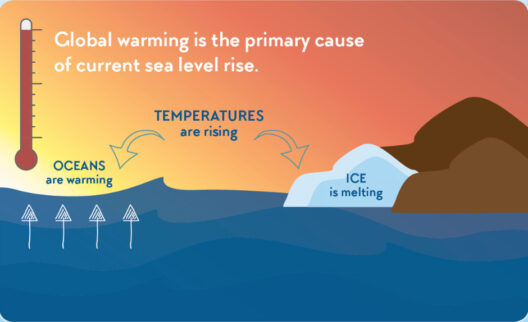
However, one must not overlook the ecological implications that accompany mild climates. As climate change looms ominously on the horizon, even these seemingly idyllic zones are not immune to the repercussions of environmental degradation. Rising temperatures, altered precipitation patterns, and severe weather events threaten the delicate balance that defines these regions. Biodiversity struggles as species compete and adapt to diminishing habitats, drawing attention to the necessity of conservation efforts. Amid the bounty and beauty lies an urgent call to action, a need to protect these paradises that nurture life.
As the guardians of these temperate realms, the responsibility to advocate for sustainable practices and environmental stewardship becomes paramount. The allure of mild climates should not merely serve as a backdrop for human enjoyment; it must also inspire communal efforts aimed at preserving these unique ecosystems. From promoting local agriculture to protecting natural habitats, the actions we take today will reverberate throughout generations, determining the plight of these cherished zones in the years to come.
In essence, mild climates represent a harmonious blend of favorable weather conditions and ecological abundance. They are breaths of fresh air in the global narrative of climate and ecology. As individuals, acknowledging the blessings of these regions compels us to exhibit responsibility toward the environment. Whether wading through coastal tides, exploring verdant hills, or sipping wine from a sun-kissed vineyard, we find ourselves interwoven into the fabric of these exceptional climates, realizing that the preservation of this delicate equilibrium is of utmost significance.