


New York, with its vibrant urban landscape and diverse ecosystems, experiences a variety of climatic conditions throughout the year. Distinct seasonal transitions mark the region, leading to a unique weather pattern that reflects both the natural environment and the impacts of urbanization. Understanding what constitutes the normal climate in New York, as well as the expectations through the seasonal cycle, can empower residents and visitors alike to engage effectively with the local ecosystem.
To comprehend the climatic intricacies of New York, one must first appreciate its geographical position. Nestled in the northeastern United States, the state displays a classic humid continental climate. This climate classification is characterized by four well-defined seasons: winter, spring, summer, and autumn. Each season boasts its own set of meteorological conditions, influenced by various atmospheric phenomena.
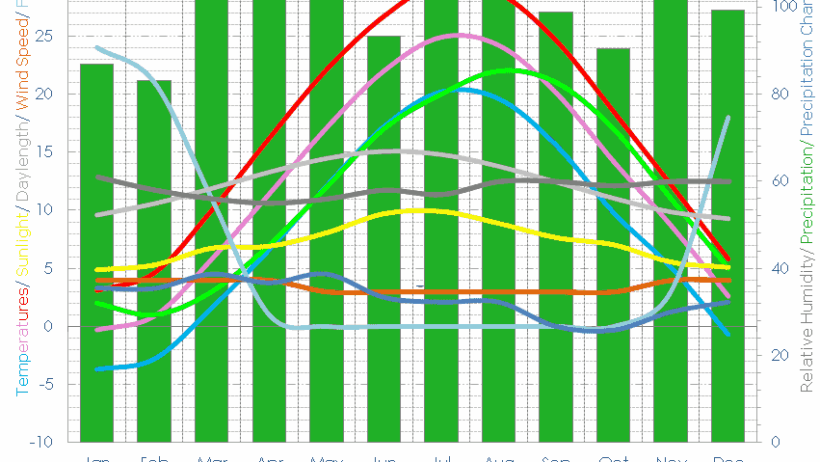
As winter descends upon the state, typically from December through February, temperatures plummet. Average highs range from the low 30s°F to mid-40s°F, while nighttime lows often hover around the 20s°F. Snowstorms can blanket the city, transforming it into a winter wonderland, albeit sometimes accompanied by blustery winds that generate significant wind chill. New Yorkers often engage in winter sports, attend seasonal festivals, and partake in the holiday festivities, which light up the otherwise bleak environment. It is important to anticipate cold snaps or freeze events, particularly in late January, as they can result in harsh living conditions.
Spring, spanning from March to May, signifies a period of rejuvenation. The thawing of snow can cause flooding in low-lying areas, while blooming cherry blossoms herald warmer days ahead. Temperatures gradually ascend, with averages shifting from the upper 40s°F to the low 70s°F by May. As nature awakens, so too does the spirit of the city, with outdoor activities increasing and farmers’ markets appearing. Rain is not uncommon during spring months, particularly in April, which often experiences a “showers” reputation. This season serves as a reminder of the interconnectedness of ecosystems, as flora and fauna begin to thrive anew.
Summer follows in June, lasting through August, and is marked by warmth and humidity. The daily temperature can soar into the 80s°F and 90s°F, often accented by oppressive humidity that can escalate the heat index. Thunderstorms frequently punctuate the hot days, occasionally leading to flash floods. The vibrancy of summer shines through with outdoor concerts, rooftop bars, and festivals, allowing residents to enjoy the city’s full cultural tapestry. Urban heat island effects are prominent during this season, necessitating awareness surrounding heat-related health issues.
As summer concludes, autumn takes center stage from September to November. This season is often celebrated for its foliage, as trees transition into brilliant hues of red, orange, and gold. Temperatures begin to dip, averaging from the low 70s°F in September to the upper 40s°F by November, prompting many to relish the crisp air. Autumn offers numerous harvest festivals, apple picking, and other seasonal activities that capitalize on the bounty of the year’s agricultural efforts. However, the seasonal shifts also introduce the potential for early winter storms, especially in late November, as the atmosphere begins to transition into cooler months.
As one contemplates the normal climate in New York, it is imperative to recognize the effects of climate change. Over the past few decades, residents have observed subtle yet significant alterations in their familiar seasonal patterns. Winters have exhibited warming tendencies, reducing snow cover and affecting winter recreational activities. Autumn appears to extend, with unseasonably warm temperatures lingering longer into November. Moreover, the frequency and intensity of summer storms, fueled by warmer ocean temperatures, have raised concerns about infrastructure resilience and urban planning.
Understanding these climatic nuances aids in preparing for the multifaceted nature of weather in New York. Awareness fosters adaptation, encouraging individuals to modify their behaviors, from weather-proofing homes to advocating for more sustainable urban practices. It also highlights the need for extensive environmental education so communities can engage with local issues effectively. This awareness can extend to energy conservation measures, as residents grapple with extreme temperatures in summer and winter alike.
In summary, New York’s climate weaves a narrative through its seasons, unfolding a diverse palette of experiences for its inhabitants. From frigid winters with snow-laden streets to summer’s sultry embrace, understanding each season enhances one’s appreciation of this remarkable environment. As the state faces the challenge of climate change, it becomes increasingly vital to not only acknowledge typical climatic variations but also advocate for sustainable practices that protect this ecological tapestry for future generations. Whether you are a long-time resident or a first-time visitor, embracing New York’s seasonal offerings and complexities is an integral part of the experience.