


North America, a vast continent characterized by its diverse ecological zones, presents an intriguing patchwork of climatic conditions. What exactly defines the climate of North America, and what contrasts can we discern across its regions? The challenges presented by climate variability and change are profound. As we navigate this dialogue, we must scrutinize those very contrasts that delineate the continent’s climatic tapestry.
The climate of North America ranges from the icy tundra of the Arctic to the scorching deserts of the Southwest, with a myriad of temperate forests, plains, and tropical environments in between. This heterogeneity is not only fascinating but also serves as a reminder of the intricate balance of ecosystems. One might ask, how do these climatic differences affect biodiversity and human activity? The answers lie in understanding the fundamental drivers of climate across the continent.
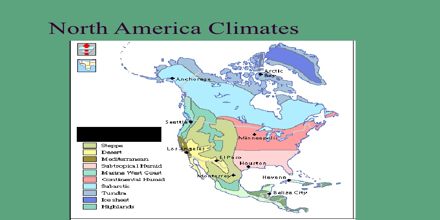
To commence this exploration, we must delineate the primary climatic zones of North America. The continent can be broadly categorized into several climatic regions: the polar, temperate, and tropical zones. Each region exhibits distinct characteristics, profoundly influencing the flora, fauna, and even the cultural practices of its inhabitants.
In the northernmost reaches, the Arctic climate prevails, typified by frigid temperatures and minimal precipitation. This region is marked by a long, harsh winter and a brief, mildly warmer summer. The tundra, characterized by its permafrost and low-lying vegetation, is a delicate ecosystem under siege from climate change. As global temperatures rise, the permafrost thaws, releasing stored greenhouse gases and further exacerbating the warming trend. This poses a considerable challenge not only to local wildlife but also to global environmental health.
Transitioning southward, we encounter the subarctic and boreal forests, where temperatures oscillate between the extremes of winter chill and summer warmth. The distinction in climate here supports an array of wildlife, including moose, wolves, and various songbirds. Yet, the fragility of these ecosystems is increasingly evident as rising temperatures alter species distributions and disrupt migratory patterns.
Central to North America is the temperate region, which boasts a varied climate conducive to agricultural pursuits. It experiences four distinct seasons, which significantly affect local agriculture. Regions like the Great Plains and the Midwest are particularly notable for their fertile soils. However, this abundance comes with its own set of challenges; shifting weather patterns have led to increased occurrences of droughts and flooding, threatening food security and agricultural livelihoods. Can farming practices adapt quickly enough to survive these climatic shifts?
Moving towards the southeastern corner of the continent, the climate morphs into a humid subtropical zone. This area is characterized by hot, humid summers and mild winters, fostering a lush array of plant life and rich biodiversity, including the iconic cypress swamps of Florida. However, the region is also susceptible to hurricanes and severe storms, phenomena that are becoming more frequent and intense as climate change continues to evolve.
Meanwhile, the arid climates of the southwestern United States present a striking contrast to the lush subtropics of the Southeast. The deserts, epitomized by the Sonoran and Mojave, experience extreme temperature fluctuations and scarce precipitation. Here, life adapts in remarkable ways; cacti, succulents, and various wildlife demonstrate resilience in the face of climatic hardship. Nonetheless, water scarcity is an acute issue in these regions, prompting discussions around sustainable water management and conservation methods.
Further north and west, the coastal climate of the Pacific Northwest fosters an environment cloaked in dense forests and frequent rainfall. This maritime climate is integral to maintaining the region’s ecological balance. However, the looming threat of climate change, heralded by increased temperatures and changing precipitation patterns, calls into question the sustainability of these lush ecosystems.
Finally, we cannot overlook the continental interior, where the climate can be categorized as continental, typified by hot summers and cold winters. This includes regions like the northern plains and parts of Canada. The temperature fluctuations are dramatic, presenting both opportunities and threats. As temperatures rise, the implications for agriculture, winter sports, and even urban planning must be considered. How will the inhabitants of these areas cope with the relentless march of climate change?
In conclusion, North America’s climate is a tapestry woven from diverse threads, each representing unique geographic, biological, and cultural dimensions. From the icy expanse of the Arctic to the dry heat of the deserts, each climate type poses challenges yet holds opportunities for resilience and adaptation. The interplay of these climatic regions creates a landscape rife with stark contrasts, where the impacts of climate change are increasingly audacious. As we ponder this kaleidoscope of climatic nuances, we must galvanize efforts toward sustainable practices, innovative agricultural strategies, and robust conservation measures to mitigate the impending impacts of climate change. The question remains: can we harness the knowledge of our diverse climates to foster a sustainable future for all? The answer will shape the destiny of not only North America but the entire planet.