


Energy conservation is a critical discourse in creating a sustainable future. Emerging paradigms in the realm of energy efficiency are increasingly necessitating innovative approaches to manage energy consumption effectively. One such concept that has gained traction is “pacing.” Understanding pacing in energy conservation invites a reexamination of how we utilize and manage energy resources in daily life as well as in industrial applications.
Pacing, in the context of energy management, refers to the deliberate modulation of energy use over time to optimize efficiency and minimize waste. This approach emphasizes a strategic alignment of energy consumption behaviors with the availability of renewable resources and the demand of energy loads. By adopting pacing, individuals, businesses, and entire communities can cultivate a dynamic relationship with energy, ensuring that consumption patterns are both sustainable and responsive to external conditions.
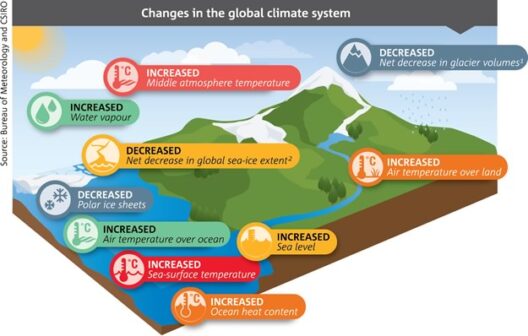
Why is pacing essential in energy conservation? As contemporary society grapples with the urgent threats posed by climate change and resource depletion, energy efficiency has transitioned from a peripheral consideration to the crux of environmental stewardship. The increasing integration of variable renewable energy sources, such as solar and wind, necessitates a shift in perspective regarding energy consumption. Pacing aligns with the intermittent nature of renewables, enabling consumers to harness energy during peak production periods and attenuate usage during lulls.
One fundamental aspect of pacing is the adaptability it fosters within energy systems. Energy systems often operate under fixed consumption paradigms, leading to inefficiencies and waste. For instance, consider a residential household that relies on traditional energy consumption patterns. During the day, when solar power generation is high, energy usage typically does not spike correspondingly. Pacing encourages households to shift high-consumption activities—like running dishwashers and washing machines—to coincide with peak renewable generation hours. This synchronization catalyzes a collective benefit; by using energy when it’s abundantly available, households can significantly reduce their dependency on fossil fuels while driving down energy costs.
In industrial contexts, the implications of pacing are equally profound. Manufacturing processes often require predictable energy inputs. However, through the lens of pacing, industries can recalibrate their operations to optimize energy usage according to real-time supply fluctuations. For example, employing energy management systems that utilize advanced algorithms can forecast energy loads and adjust operations accordingly. This technique not only mitigates costs but also enhances the overall resilience of industrial operations to energy price volatility and regulatory shifts in environmental policies.
Electricity demand response programs exemplify practical applications of pacing in energy conservation. These programs incentivize consumers to reduce or shift their electricity usage during peak hours in response to time-based rates or utility incentives. In this scenario, consumers essentially become active participants in the energy landscape, reaping economic benefits while concurrently promoting a more sustainable grid. The dynamic interaction between supply and demand fosters a more flexible energy market that can accommodate the increasing integration of renewable resources.
Utilizing smart technologies is a critical facilitator in implementing pacing methodologies. Smart grids, home energy management systems, and Internet of Things (IoT) devices empower consumers with real-time data pertaining to their energy usage. This data immersion catalyzes informed decision-making processes, enabling users to identify peak usage hours and adjust their behaviors for optimal efficiency. As technology continues to advance, the integration of artificial intelligence in energy management systems promises unprecedented levels of automation and optimization, propelling pacing strategies to new heights.
However, the journey towards effective pacing in energy conservation is not without challenges. Maintaining consumer engagement is essential; energy saving is often perceived as a burdensome task. To combat apathy, it is crucial to underscore the tangible benefits of pacing. By illustrating the cost savings, environmental impact, and enhanced comfort levels associated with thoughtful energy management, stakeholders can promote a more engaged consumer base. Education is paramount; comprehensive awareness campaigns elucidate the mechanics and advantages of pacing while dismantling skepticism surrounding energy conservation efforts.
Moreover, collaboration among various stakeholders is essential for fostering a culture of energy pacing. Local governments, energy producers, non-profits, and consumers must coalesce to promote policies and technologies that facilitate pacing. An integrated approach ensures that the entire ecosystem supports energy efficiency initiatives, thereby amplifying their collective impact. From crafting regulations that prioritize renewable resource integration to funding community workshops on energy management, collaboration is the keystone to effective pacing.
In conclusion, pacing represents a paradigm shift in our approach to energy conservation. By fostering a committed relationship with energy consumption, individuals and industries can navigate the complexities of an evolving energy landscape. Through strategic modulation of usage patterns and leveraging advancing technologies, the dual goals of energy efficiency and sustainability are not only achievable but also imperative. As the pressing urgency to combat climate change escalates, embracing pacing in our daily lives becomes not just a practical choice but a moral obligation. The fabricated edges of energy management are blurring, inviting curiosity and compounding the promise of a sustainable future driven by conscious energy practices.