


South Korea, a vibrant nation ensconced on the southern half of the Korean Peninsula, presents a kaleidoscopic tableau of climatic variability shaped by its geographical attributes. The country experiences a temperate climate characterized by four distinct seasons, each contributing its own unique charm and challenges. Understanding South Korea’s climate involves exploring the intersection of these seasons, from the sultry summers to the frigid winters, and the spring and autumn that serve as transition periods, often likened to artists meticulously blending color on a canvas.
To provide context, South Korea lies in a dynamic zone situated between the continental landmass of Asia and the surrounding maritime influences of the Yellow Sea, the Korea Strait, and the East Sea (Sea of Japan). This unique positioning renders its climate as a fascinating dichotomy marked by regional nuances and microclimates. The juxtaposition of peninsular geography with the surrounding ocean contributes to the phenomenon of seasonal contrast, echoing the ebbs and flows of the tides themselves.
Spring: A Melodic Awakening
As winter’s icy grip relinquishes hold, spring materializes in South Korea like a symphony burgeoning with life. March ushers in the gentle unfurling of cherry blossoms, adored and celebrated across the nation. The sight of these delicate pink petals illuminated by dawning sunlight is akin to a painter’s stroke against the backdrop of a sprawling canvas. Warmth begins to seep into the landscape, and fresh buds appear as nature orchestrates a harmonious renewal.
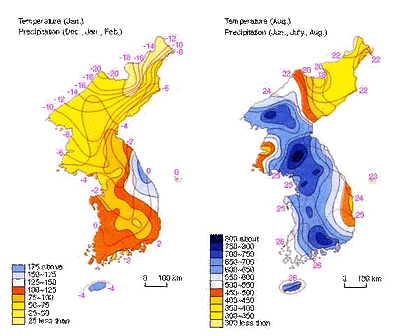
The climate during spring is generally mild, with temperatures gradually ascending from around 5°C (41°F) in early March to a balmy 20°C (68°F) by late May. The rainfall during this season is relatively sparse, which allows for ample sunlight to elevate the flora’s vibrancy. However, occasional cold snaps remind the populace that winter has not yet completely abdicated its realm. It is during this season that festivals abound, with numerous events heralding the arrival of blossoms, signifying both beauty and the transient nature of existence.
Summer: A Scorching Surge
As spring fades into summer, South Korea is enveloped in warmth akin to a metal sculpture left in the sun, radiating heat. The sweltering months from June to August witness temperatures soaring above 30°C (86°F), with high humidity levels creating an almost palpable mugginess that blankets the air. This season also signals the arrival of the monsoon, specifically the East Asian rainy season, which pours life-giving rainfall onto the parched earth.
The summer is characterized by intense storms and heavy rains, providing relief from the oppressive heat but also bringing potential for flooding and landslides. The dichotomy of this season is striking; it both nurtures the burgeoning crops and creates peril for those living in vulnerable areas. Festivals celebrating the abundance of the season, including water fights and traditional folk games, serve as a catharsis for the sweltering populace, allowing them to revel in the vibrancy of summer despite its challenges.
Autumn: A Captivating Transition
As the sun begins its descent, autumn graces the Korean Peninsula like a skilled sorceress, conjuring spellbinding hues of crimson, gold, and orange, transforming the landscapes into a fiery spectacle. From late September to November, the climate in South Korea becomes increasingly crisp, with temperatures cooling down from around 25°C (77°F) to a brisk 10°C (50°F) by late November.
The season’s beauty is accentuated by the decreasing sunlight and the vibrant foliage that inspires countless travel adventures, as locals and tourists alike flock to the mountains and parks to revel in the stunning vistas. Autumn is often considered the most agreeable season, offering clear skies and moderate temperatures, making it the perfect time for outdoor activities and reflective strolls amidst nature’s artistry. The harvest season is also in full swing, with traditional festivities celebrating the rice harvest, showcasing the country’s agrarian heritage.
Winter: A Frosty Reverie
Winter blankets South Korea in a shroud of white, an enchanting yet unforgiving season that spans from December to February. As temperatures plummet, often dipping below 0°C (32°F), the once-lush landscape transforms into a winter wonderland, enchanting the eyes but challenging the spirit. Snowfall is not uniformly distributed across the country; high-altitude regions experience heavy snow, making them popular winter sports destinations.
During this season, the cold air carries an ether of stillness, interrupted only by the laughter of children engaging in snowball fights or sliding down hills. The prevalence of traditional winter foods evokes warmth—a savory hotpot or a steaming bowl of rice cake soup can rejuvenate the soul and body alike. This stark season, while rigid in its grasp, also encapsulates moments of reflection and familial warmth as people come together to celebrate holidays such as Seollal (Lunar New Year).
Concluding Thoughts
South Korea’s climate exemplifies the profound contrasts emblematic of the Korean Peninsula. Each season, distinct yet interwoven, unveils a narrative rich in cultural significance, agricultural cycles, and environmental challenges. The yearly rhythm of climate shifts is a reflection of the delicate balance between nature and humanity, urging a collective consciousness toward environmental stewardship. As the world grapples with climate change, understanding these seasonal intricacies becomes imperative not only for ecological preservation but also for cultural identity. South Korea stands poised at the convergence of tradition and modernity, with its climate actively shaping the narrative of its people and their relationship with the earth.