


The Southeast climate, particularly the humid subtropical climate, is a fascinating and intricate system that offers a unique perspective on how weather patterns shape the environment. Predominantly found in the southeastern United States, this climate is characterized by hot, humid summers and mild to cool winters. Understanding the nuances of this climatic zone reveals not only the intricacies of weather phenomena but also the ecological diversity sustained within this realm.
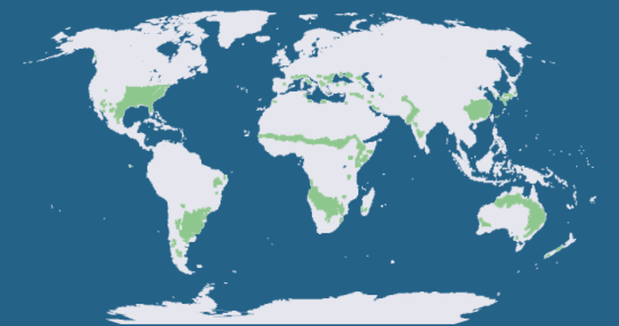
To comprehend the humid subtropical climate accurately, one must first delve into its geographical distribution. This climate type primarily manifests in areas located between 25° and 35° latitude. The Southeastern region of the United States, including states like Florida, Georgia, Alabama, Mississippi, and parts of the Carolinas, epitomizes this climatic profile. However, the influence of the Gulf of Mexico, as well as the Appalachian Mountains, plays a significant role in shaping local weather patterns.
One of the most intriguing characteristics of the humid subtropical climate is its seasonal temperature variation. Summers can reach sweltering heights, often soaring above 90°F (32°C) and accompanied by oppressive humidity. This can be particularly challenging, affecting both human activities and ecosystems. The increased humidity draws moisture from both soil and vegetation, creating a lush landscape that is teeming with life. However, it is essential to recognize that while this climate fosters biodiversity, it also contributes to severe weather conditions, including thunderstorms and tropical storms.
Conversely, winters are notably mild, with temperatures rarely plunging below freezing in most areas. This seasonal temperance allows for a diverse range of plant species to thrive. Deciduous trees such as oak, hickory, and various species of pine dominate the landscapes, creating a rich tapestry of green during warmer months. The resilience of this vegetative community is not merely aesthetic; it plays a critical role in carbon sequestration and offers a natural buffer against the impacts of climate change.
Precipitation levels in the humid subtropical climate are another critical aspect that shapes its ecological landscape. Rainfall is abundant, averaging between 40 to 60 inches (1016 to 1524 mm) annually. Most of this precipitation occurs in summer as intense thunderstorms, though a more dispersed pattern persists throughout the year. The hydrological cycle in this environment is highly dynamic, with moisture cycling rapidly between the atmosphere, land, and water bodies. This phenomenon underscores the importance of understanding climatic interactions, as water resources are vital for sustaining agriculture and maintaining local ecosystems.
Speaking of agriculture, the humid subtropical climate is renowned for its agricultural productivity. The warmth and ample rainfall make it ideal for cultivating various crops, from cotton and peanuts to citrus fruits and rice. These crops not only serve local markets but also contribute significantly to the agrarian economy on a national level. Yet, this agricultural success comes with its own set of challenges. Farmers must grapple with the risks of erosion, soil degradation, and the ever-present threat of natural disasters such as hurricanes and floods, which can decimate entire harvests in mere hours.
In addition to economic implications, the cultural tapestry of the Southeast is deeply intertwined with its humid subtropical climate. The temperate conditions allow for an extensive variety of flora and fauna, which have historically influenced local traditions and lifestyles. Many Southeastern communities celebrate seasonal changes with festivals dedicated to agriculture and harvests. Such cultural practices highlight the profound connection between the environment and human activity, emphasizing the importance of sustainability in navigating the challenges posed by climate change.
As we pivot towards broader environmental considerations, it becomes apparent that understanding the humid subtropical climate equips us with critical insights for combatting climate change. The prevalence of this climate in densely populated areas necessitates a concerted effort to implement sustainable practices, such as responsible water management and green urban development. Sustainable agriculture methods that reduce dependence on chemical fertilizers and pesticides can enhance soil health and bolster resilience against extreme weather events.
Moreover, fostering green spaces within urban areas can help mitigate the urban heat island effect, a phenomenon wherein city temperatures soar due to human activities. By planting trees, developing parks, and restoring wetlands, cities can not only thrive ecologically but also provide a respite for residents facing the stresses of urban life. Creation of such green infrastructures presents a promising shift in perspective, as urban centers can indeed become beacons of sustainability.
In summary, the humid subtropical climate of the Southeast holds a wealth of knowledge that extends far beyond its immediate geographical confines. Its seasonal variations, rich biodiversity, and agricultural significance are interwoven into the very fabric of human existence. As the world grapples with the existential threat of climate change, a deeper understanding of this climate can cultivate curiosity and inspire innovative solutions. By respecting the intricate balance of this unique environment, societies can promote regenerative practices that enhance both ecological and cultural resilience.
Equipped with this understanding, we can adopt a more informed and proactive stance towards the challenges posed by climate dynamics. In recognizing the latent potential within the humid subtropical climate, we pave the way for a sustainable future that honors the delicate beauty of our planet. The time is ripe for action, and the Southeastern climate offers an invaluable lens through which we can drive meaningful change.