

What if a stroll through the towering trees of a forest could reveal secrets about our planet’s climate? Imagine walking beneath a lush canopy, the dappled sunlight filtering through vibrant leaves, while a symphony of birdsong fills the air. This enchanting environment not only captivates the senses but also serves as an essential component in the Earth’s climate system. So, what exactly is the climate in a forest, and how do the cool canopies and changing leaves play a role in this intricate dance of nature?
Forests are dynamic ecosystems characterized by complex interrelations among flora, fauna, and abiotic elements. The climate specific to these environments varies immensely based on geographical location, altitude, and seasonal variations. Generally, forest climates can be classified into three primary categories: temperate, tropical, and boreal. Each type is distinguished by unique climatic conditions that influence the forest’s biodiversity and ecological functionality.
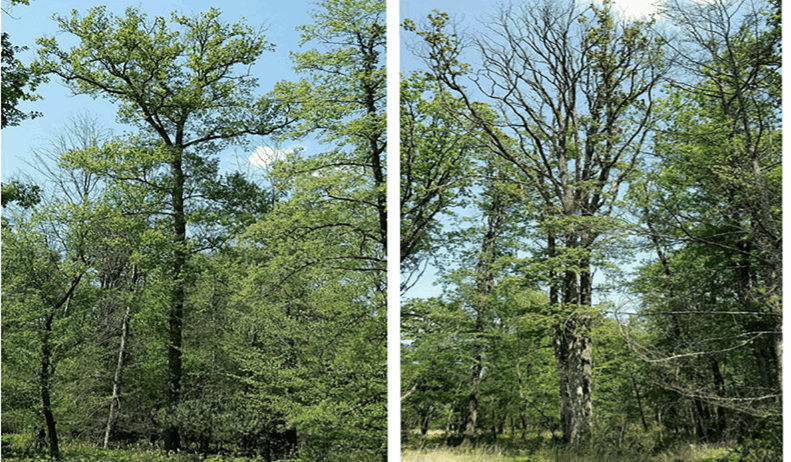
Temperate forests, prevalent in regions such as the eastern United States and parts of Europe, typically experience four distinct seasons—winter, spring, summer, and autumn. This seasonality impacts the growth cycles of trees, fostering a unique adaptation strategy: deciduous trees, such as oaks and maples, shed their leaves in winter to conserve water and energy. The burning hues of autumn leaves create an awe-inspiring spectacle, but they also signify an important ecological phenomenon. The leaf-loss process, known as abscission, allows trees to minimize water loss during colder months when moisture is less available.
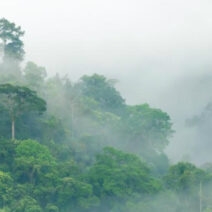
Contrastingly, tropical forests showcase an entirely different climatic narrative. Located near the equator, these forests boast a warm, humid climate year-round, presenting an ideal environment for lush biodiversity. Unlike their temperate counterparts, many trees in tropical forests are evergreen, retaining their foliage throughout the year. This perpetual greenery not only sustains the vibrant ecosystem but also plays a critical role in regulating local climates. The dense canopy of leaves intercepts sunlight, creating cooler microclimates beneath, thus supporting a plethora of plant and animal life. Additionally, the high humidity levels contribute to the process of transpiration, where water vapor evaporates from leaves, further influencing local precipitation patterns.
Boreal forests, or taigas, present yet another intriguing climatic scenario. Found in regions like Canada and northern Russia, these forests endure long, harsh winters and short, mild summers. Dominated by coniferous trees, such as spruce and fir, boreal forests are adapted to thrive in cold conditions. The needle-like leaves of conifers minimize moisture loss and are well-suited for photosynthesis in low-light environments. The climate here fosters unique wildlife adapted to the extremes, contributing to a rich, albeit challenging, ecosystem.
Forest canopies are more than just an aesthetic feature; they are critical in climate regulation. The layers of foliage, often referred to as the canopy, play a pivotal role in capturing carbon dioxide from the atmosphere. Through the process of photosynthesis, trees convert CO2 into glucose while releasing oxygen, thus contributing to the greenhouse gas balance essential for maintaining Earth’s temperature. This exchange is vital, as forests collectively absorb approximately 2.6 billion metric tons of carbon dioxide each year. Imagine the impact if we continue to lose these vital green spaces.
Furthermore, forest canopies influence local weather patterns. Trees release water vapor through transpiration, creating humid conditions that can lead to increased cloud formation and precipitation. This interaction is crucial for maintaining regional hydrological cycles, ensuring that ecosystems receive adequate moisture to thrive. Nevertheless, as climate change progresses and deforestation escalates, these natural processes are jeopardized, leading to alterations in local climates and detrimental effects on biodiversity.
As seasons change, the leaves of trees do not merely offer an enchanting display of colors; they also indicate the intricate balance of forest ecosystems. Each leaf exchanged in autumn corresponds with biological responses to shifting temperatures and daylight. This cycle has significant implications for both plant and animal species that depend on specific conditions for reproduction and survival. For instance, a prolonged warmer season may disrupt the synchronization of flowering plants and their pollinators, causing cascading effects throughout the ecosystem.
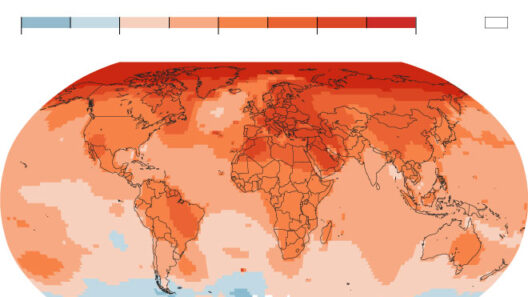
The implications of climate change on forest climates are alarming. Rising global temperatures, coupled with changes in precipitation patterns, threaten the delicate equilibrium that sustains these vital ecosystems. Forests are increasingly susceptible to wildfires, pests, and diseases, diminishing their role as carbon sinks and exacerbating the climate crisis further. Thus, the playful question remains: What can we do to safeguard our precious forests and, by extension, our planet’s future?
One potential challenge lies in the urgent need for reevaluation of land use and conservation practices. Sustainable forestry, reforestation, and stricter regulations against deforestation are paramount in mitigating the adverse impacts of climate change. Educating communities about the importance of forests for climate regulation can foster grassroots movements advocating for change. Every tree preserved or planted represents a passionate commitment to the health of our planet.
Ultimately, understanding the climate in a forest, marked by cool canopies and changing leaves, reveals the intricate interdependencies that exist within our environment. From regulating temperatures to filtering carbon dioxide, forests play an indispensable role in shaping climate patterns. As stewards of the Earth, it is our collective responsibility to ensure that these vital ecosystems endure, thrive, and continue to adapt amidst a changing climate. What will you do to contribute to this balancing act in the grand theater of our environment?